When energy demand gets bigger, storage has more work to do.
From peak-demand management to solar self-consumption and commercial backup, Linker brings together C&I battery systems, hybrid inverters, controls and technical product support for larger energy projects.
Start with the application, site demand or product platform. We can help narrow the hardware and documentation around it.
The battery matters. What you ask it to do matters more.
A commercial storage system should begin with the site objective. Reducing peak demand, using more rooftop solar, supporting EV charging and keeping critical loads available each place different demands on the hardware.
Take the edge off the peaks that shape the bill.
Facilities can experience short periods of high power demand during machinery startup, shift changes or simultaneous equipment use.
Battery storage can discharge during these periods to reduce the site's grid demand, depending on the tariff structure, load profile and system configuration.
- Sizing Basis
- Site Load Profile
- Typical Goal
- Peak Demand Management
Keep more daytime solar for the hours that need it.
Commercial rooftops often produce their strongest PV output when the facility is not using all of it. Storage can hold part of that surplus and make it available later for evening operations or other periods of higher demand.
- Input
- Commercial Rooftop PV
- Typical Goal
- Higher On-Site Solar Use
More chargers do not always have to mean more grid capacity.
High-power EV charging can create short, intensive demand peaks. A battery system can act as an additional energy buffer where site grid capacity is limited or where charging demand varies sharply throughout the day.
Whether storage can defer or reduce a grid upgrade depends on the site's existing connection, charging profile and required power.
- Application
- Fleet & Commercial Charging
- Typical Goal
- Power Demand Buffer
Some loads cannot simply wait for the grid to come back.
Commercial storage can also support backup strategies for selected critical loads such as refrigeration, communications, IT equipment or essential operating circuits.
Backup power, transfer behavior and supported load depend on the selected system architecture and should be checked at product level.
- Application
- Critical Load Support
- Typical Goal
- Operational Resilience
Different sites. Different scales. Different ways to build.
Commercial storage can range from modular inverter-and-battery combinations to integrated outdoor cabinets. Compare the architecture, capacity range and control options before choosing the platform that fits the project.
GoodWe Commercial Storage
A modular C&I platform combining GoodWe commercial hybrid inverter options with Lynx C battery storage and compatible energy-control components.
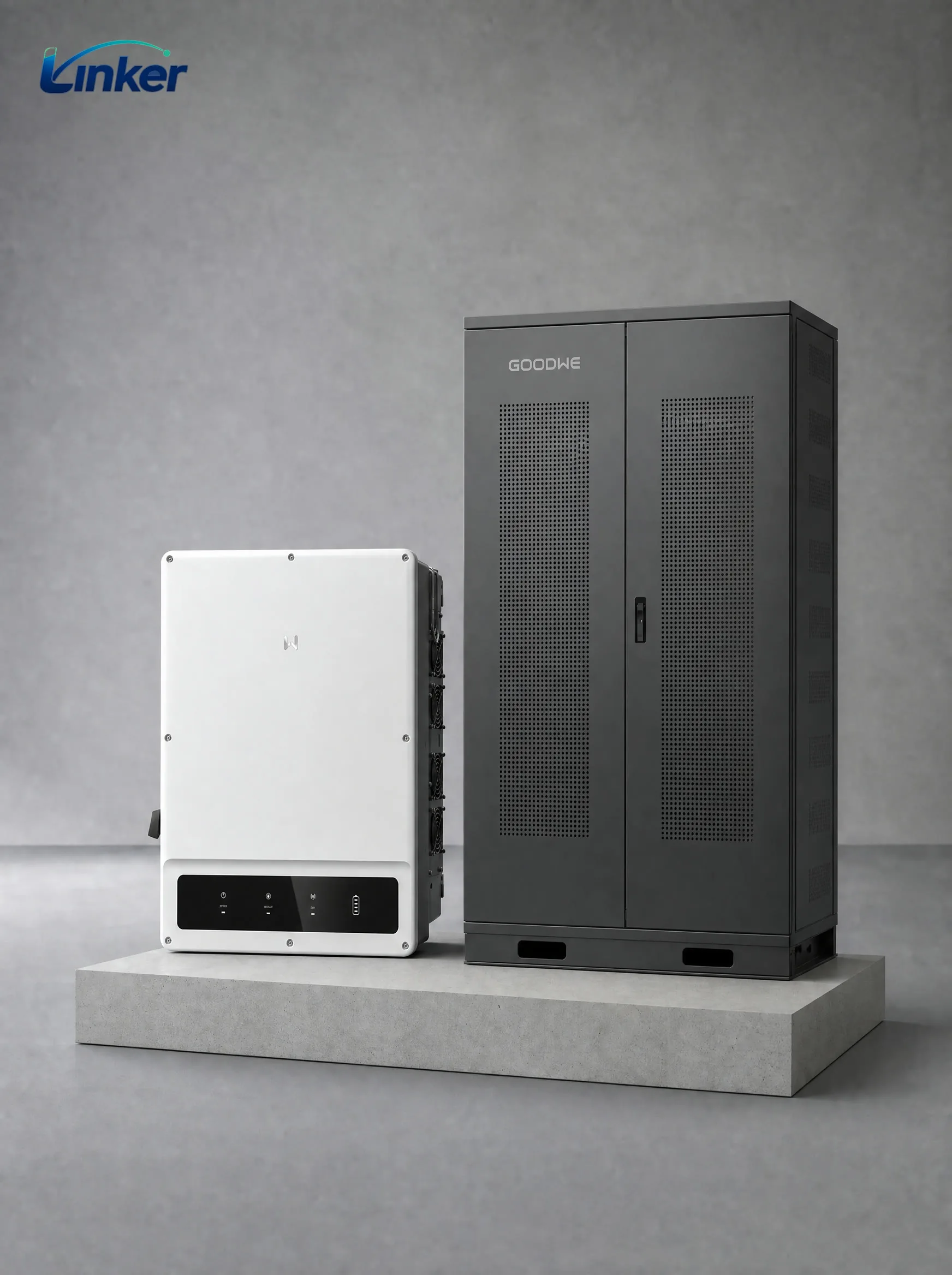
- Commercial Three-Phase Hybrid Platform
- Modular Outdoor Battery Storage
- GoodWe Metering & Control Options
- Suitable for Selected C&I Applications
SAJ CH3 + CB3
A higher-power commercial storage platform combining the SAJ CH3 three-phase hybrid inverter with the CB3 outdoor battery system for larger C&I applications.
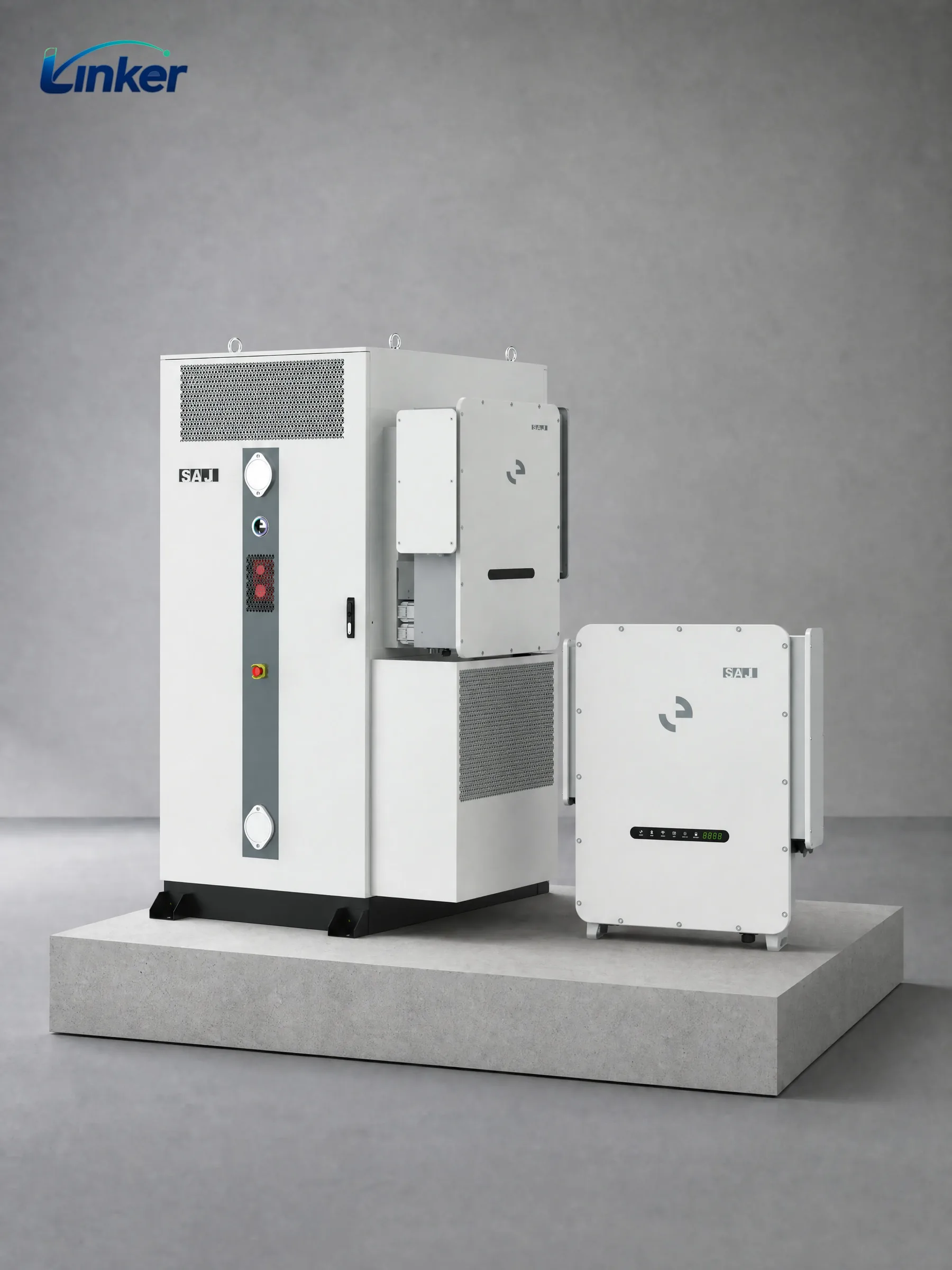
- 125 kW CH3 Platform Available
- CB3-L261 Outdoor Battery System
- Liquid-Cooled Battery Architecture
- Commercial Energy Management Applications
Pylontech Optim-US A100
An integrated outdoor C&I storage platform combining battery capacity, power conversion, thermal management and system safety functions within one cabinet-based solution.
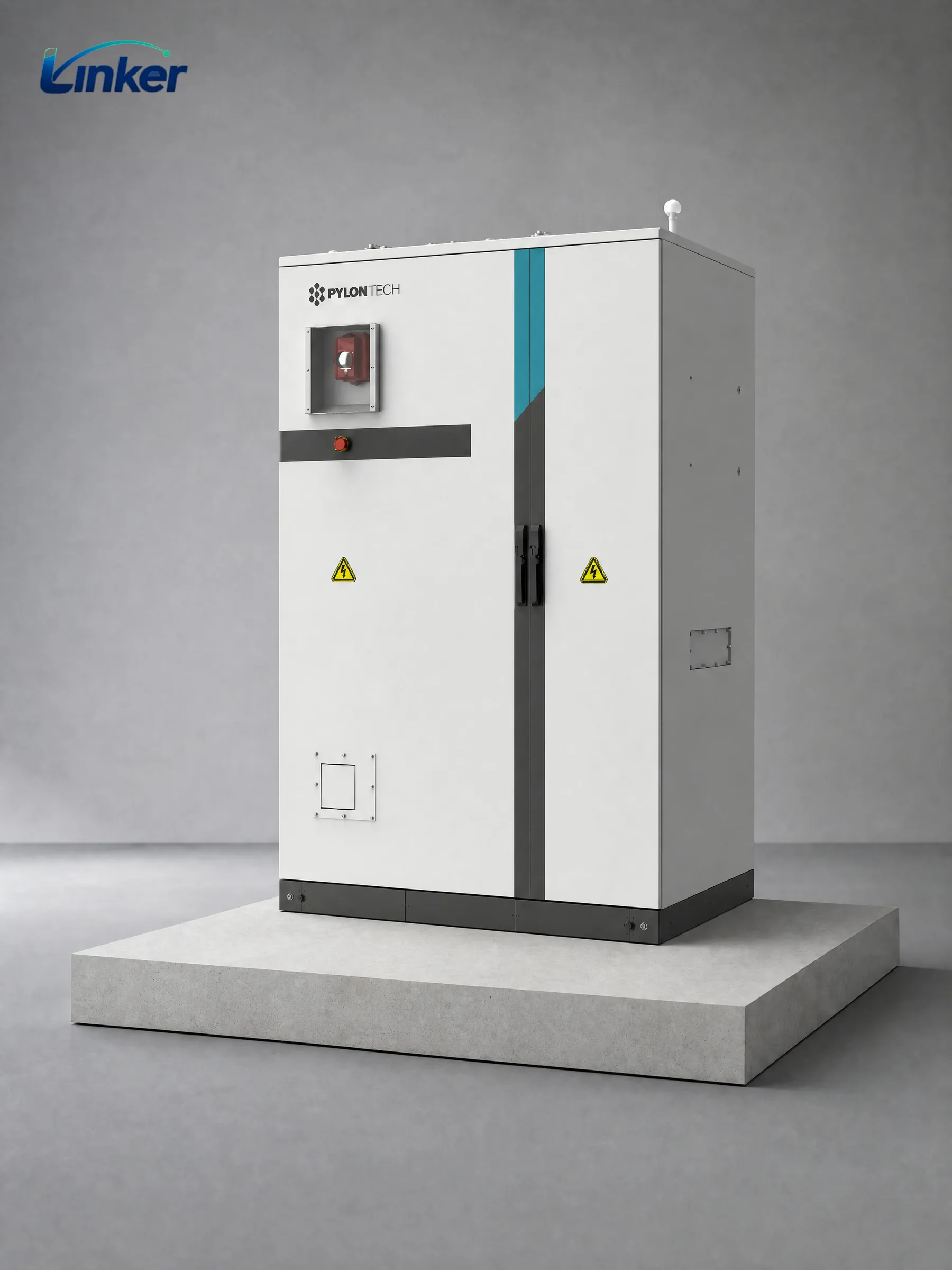
- Integrated Outdoor Storage Platform
- LFP Battery Architecture
- Built-In Power Conversion
- Integrated Thermal & Safety Functions
Give the project numbers before giving it hardware.
Commercial storage decisions become clearer when the site layout, load profile and equipment options are considered together. Linker tools help organize that information before moving toward a quotation.
See where the system has to live.
Organize commercial rooftop areas and the available site space around the project before the equipment list is finalized.
- Site Layout: Map usable roof areas, major obstructions and available equipment zones.
- PV Planning: Organize commercial PV layout and key system areas around the physical site.
Turn the load curve into a better starting point.
Add facility demand data and the commercial objective to compare inverter power, battery capacity and product options against the site's operating profile.
- Load Review: Identify the demand pattern the storage system needs to respond to.
- System Options: Compare suitable inverter, battery and accessory combinations.
The larger the system, the more details need to agree.
Use Linker Advisor to access available product information for commercial systems, including compatibility, communication references, control interfaces and the documentation on file.
- System Communication: Review available Modbus, CANbus or controller information for supported products.
- Technical Documents: Find the unit certificates and grid-related product documentation on file.
At commercial scale, the paperwork becomes part of the system.
Larger storage projects may involve additional grid-connection, control and protection requirements. The exact documents depend on the product, connection level and local network operator.
VDE-AR-N 4105 / 4110 Documentation
Depending on the equipment and connection level, the documentation on file may include unit certificates and technical information relevant to German low- or medium-voltage grid requirements.
Telecontrol & Plant Control
Commercial systems may require documentation for plant controllers, active and reactive power control, external control interfaces or other grid-management functions.
Protection & Electrical Parameters
Available product documentation may include current transformer requirements, protection parameters, connection information and other electrical data needed around the selected system.
Working on a Commercial Storage Project?
Start with the load profile, site connection or system you are considering. We can help organize the available product options and supporting documentation.
Start in Linker Planner →From the first load curve to the final equipment list.
Commercial storage projects usually begin with more variables than a product model alone can answer. This process helps move the conversation from site requirements toward a practical system and quotation.
01 · Start with the site.
Share the available information on facility demand, grid connection, existing PV and the main objective for the storage system.
02 · Understand what the battery needs to respond to.
Review the site's demand profile and project objective to establish a useful starting range for inverter power and storage capacity.
03 · Build the equipment combination.
Compare the selected inverter, battery system and relevant control components against available product information and project requirements.
04 · Turn the system into a commercial offer.
Once the main equipment is clear, Linker can prepare a quotation covering the selected products and available related components.
05 · Keep the product conversation connected after the order.
After purchase, Linker remains a German contact point for product documentation, technical questions and warranty coordination for the supplied equipment.
The questions that get more important as the system gets bigger.
Commercial storage involves more than battery capacity. Site demand, communication, grid requirements, controls and operating goals all affect the final equipment choice.
How does Linker check compatibility between a commercial inverter and BESS?
For larger systems, this may include supported control architecture, communication protocols and the documentation on file relevant to the proposed combination.
The exact models should always be checked rather than assuming compatibility from the brand name alone.
Can Linker help size a battery for peak-demand management?
If you provide suitable load data, such as interval consumption or facility demand history, we can use it to help narrow the inverter power and battery-capacity range being considered.
The final system design and economic case should still reflect the site's tariff structure, operating profile and project requirements.
Do all C&I systems require VDE-AR-N 4110 documentation?
The relevant grid requirements depend on the product, system size, point of connection and local network conditions.
Some projects may fall under low-voltage requirements, while larger systems may involve medium-voltage connection rules. The exact product and connection level should be checked before assuming which documentation applies.
Can battery storage avoid a transformer upgrade for EV charging?
Storage can help buffer charging demand and reduce short grid peaks. Whether that is enough to avoid or defer a transformer upgrade depends on existing connection capacity, charging power, usage patterns and the site's electrical design.
Are outdoor cabinets suitable for every commercial site?
Outdoor C&I systems can reduce the need for dedicated indoor battery space, but placement still depends on the selected product, foundation requirements, access, clearances, environmental conditions and local project requirements.
These factors should be checked against the exact cabinet and site before installation.
What technical documents are available with commercial systems?
Depending on the equipment, available files may include datasheets, manuals, declarations, grid-related certificates, compatibility information, communication references and controller documentation.
If the project requires a particular document, provide the exact model before ordering so availability can be checked.
How does Linker support commercial systems after purchase?
The bigger the energy problem, the more the system has to earn its place.
Bring the load profile, project objective or product platform you are considering. Linker can help connect the commercial hardware, product information and quotation into a clearer next step.