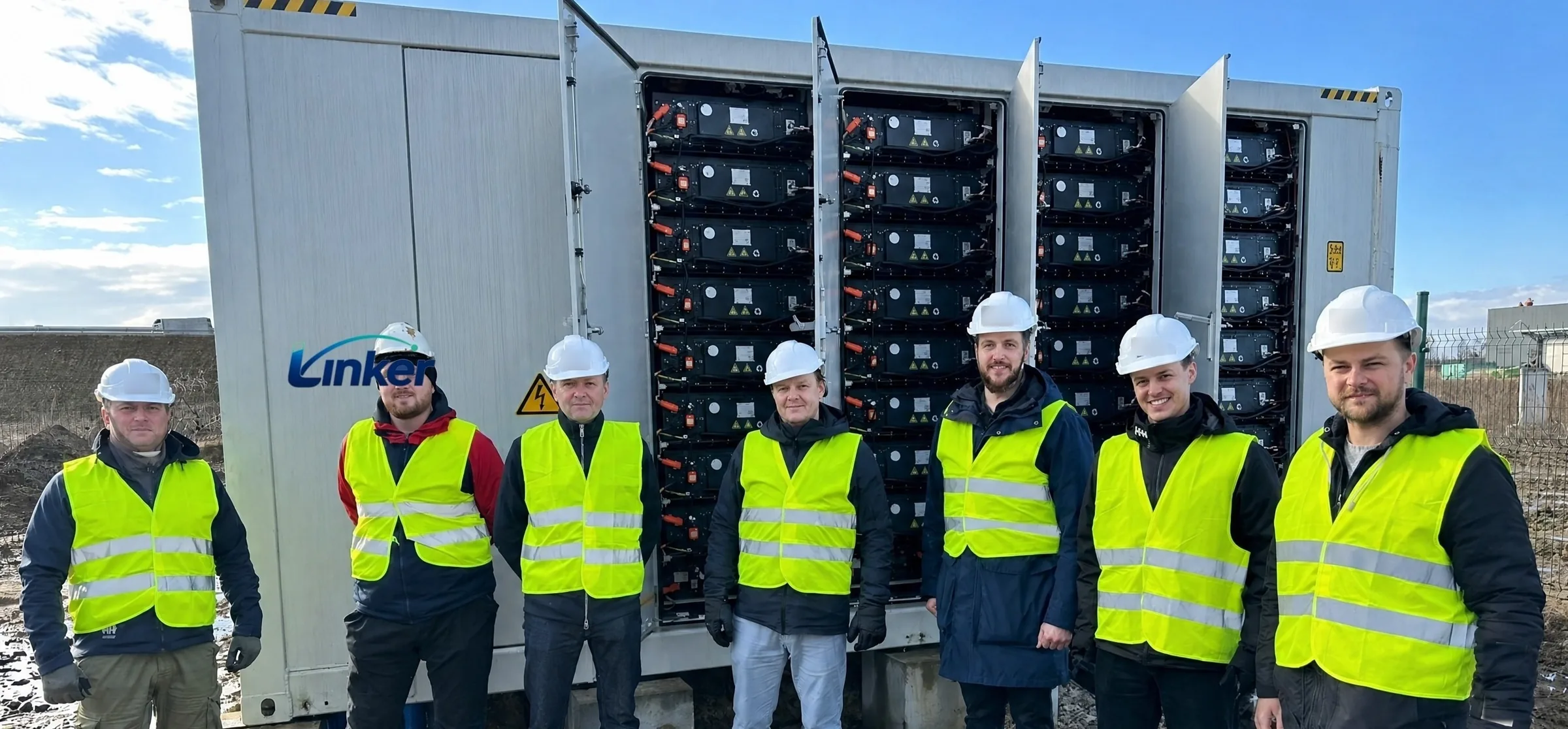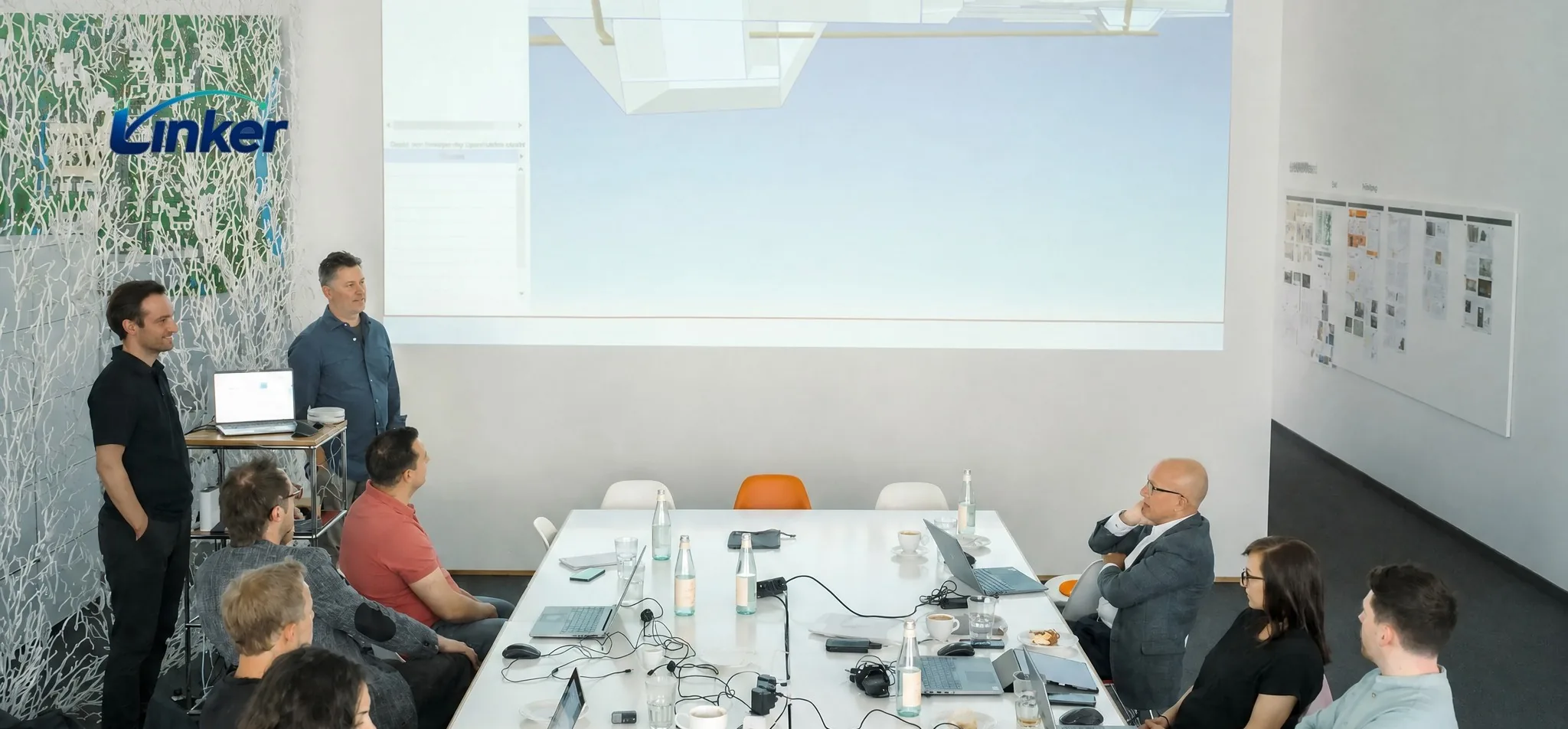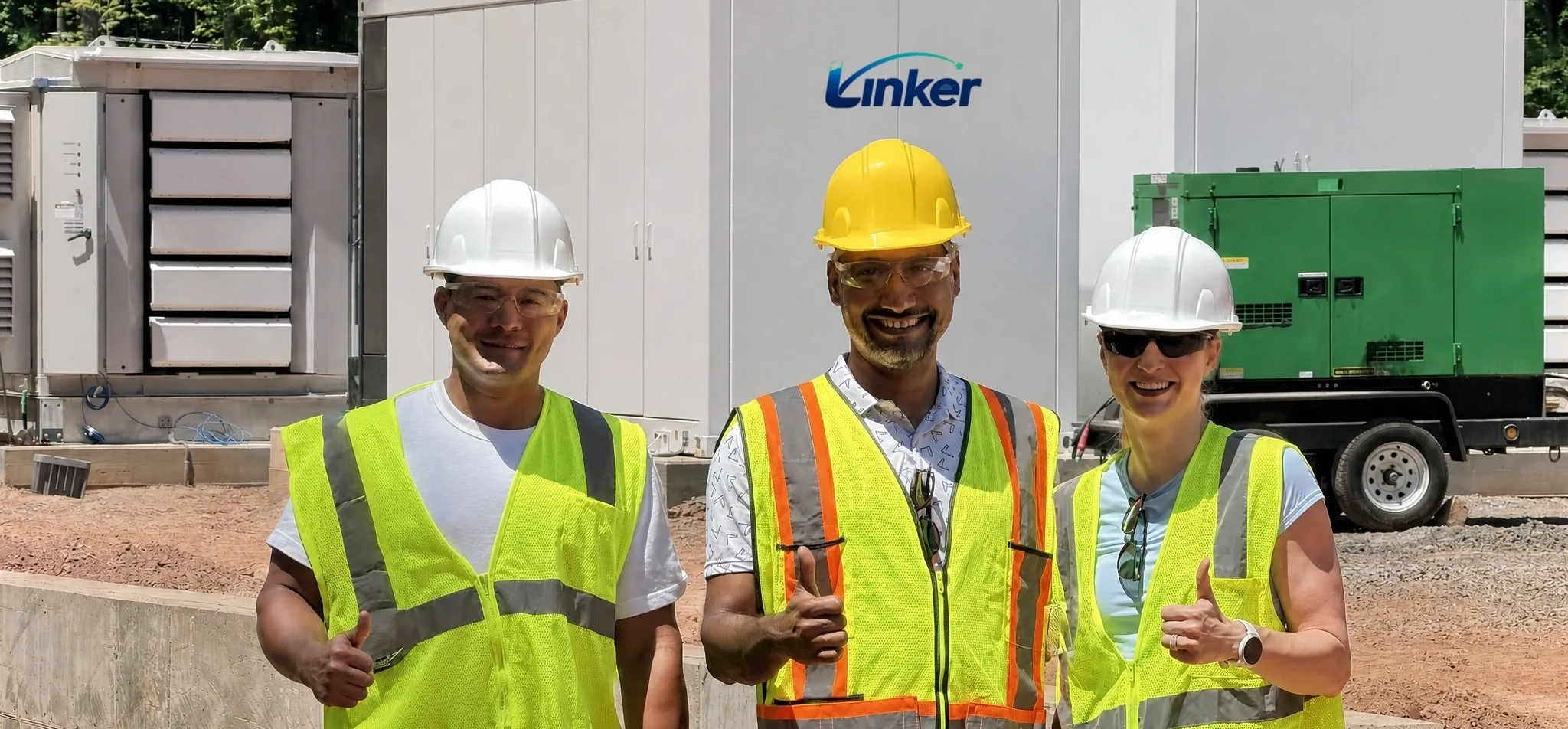
“Linker checked our load curves and confirmed the battery sizing before we ordered. The grid certificates were complete in the documentation pack, and the local utility approved the interconnection without delay.”
Different scales.
Different demands.
One energy future.
A home storing rooftop solar does not need the same system as a factory managing peak demand or a grid project measured in megawatt-hours. Linker brings together residential, commercial and utility-scale storage products so each project can start with the right kind of system.
Start with the scale of the energy problem.
Energy storage changes as the project grows. Power, capacity, controls, physical footprint and grid requirements all become different. Choose the closest starting point below.
Build storage around the way the home lives.
Residential storage brings solar generation, household demand and battery capacity into one system. Whether the goal is higher self-consumption, backup power, adding storage to existing PV or preparing for an EV and heat pump, the right starting point is the way the property actually uses energy.
- Hybrid Storage: Three-phase hybrid inverter and high-voltage battery platforms.
- Modular Capacity: Battery systems that can be selected around different household requirements.
- Backup Options: Selected platforms support essential-load or broader home-backup configurations.
When electricity becomes an operating decision.
For commercial sites, storage can do more than hold surplus solar. It can help manage peak demand, support EV charging, increase on-site use of renewable generation or provide power for selected critical loads. The right system begins with what the facility is trying to change.
- Peak Demand: Use storage around periods of higher facility demand.
- Solar Integration: Keep more commercial PV generation available for later use.
- Outdoor Storage: Cabinet-based C&I systems provide another way to fit storage into the site.
When storage becomes infrastructure.
At utility scale, the conversation moves beyond a single inverter or battery cabinet. Energy duration, MW and MWh requirements, cycling profile, container architecture, control interfaces and grid application all influence the platform. Linker works with containerized BESS options for larger energy and infrastructure projects.
- Megawatt-Hour Capacity: Containerized storage platforms designed for larger energy blocks.
- Multiple Architectures: High-density liquid-cooled and string-based BESS options.
- Grid Applications: Platforms for renewable integration, energy shifting, grid support and microgrid applications.
Same idea. Very different systems.
Residential, commercial and utility storage all move energy through time, but the hardware, application and project requirements change quickly as scale increases.
| CRITERIA |
Residential
|
Commercial & Industrial
|
Utility & Grid
|
|---|---|---|---|
| Typical Environment | Homes & smaller properties | Businesses, factories & commercial sites | Energy projects & grid infrastructure |
| Primary Goal | Self-consumption, backup, home energy | Peak demand, solar use, EV charging, resilience | Energy shifting, grid support, renewable integration |
| Typical Hardware | Hybrid inverter + modular battery | Outdoor cabinet or commercial inverter + BESS | Containerized BESS |
| Battery Format | Modular HV battery towers | Cabinet-based storage | Multi-MWh container blocks |
| Power Electronics | Residential hybrid inverter | Commercial hybrid / PCS platform | Utility PCS / string PCS |
| Cooling | Passive / air / product-specific | Air or liquid depending on system | Liquid cooling common in high-density platforms |
| Control Complexity | Home energy management | Site energy management | Plant / EMS / grid-control integration |
| Backup Role | Common on selected systems | Application-specific | Project-specific |
| Grid Documentation | Product and connection dependent | More project-specific as scale grows | Often a major part of platform evaluation |
| Linker Starting Point | Home demand & preferred system | Site load & business objective | MW/MWh, duty profile & project requirements |
| Next Step | Residential Solution | C&I Solution | Utility Solution |
These are starting points rather than fixed technical boundaries. Exact power, capacity and connection requirements depend on the products and project being considered.
One Linker. Different scales of storage.
Real feedback from project teams working with Linker across commercial storage, utility BESS and multi-cabinet energy systems.
Start with the problem, not the product category.
You do not always need to know whether a project is “residential,” “C&I” or “utility” before speaking to Linker. These questions help identify the right place to begin.
When does a project move from residential storage into commercial storage?
When should I consider an outdoor C&I storage cabinet?
What separates C&I storage from utility-scale BESS?
Can Linker help if I do not know which category my project belongs to?
Does every larger storage project require the same grid documentation?
Is liquid cooling only used for utility-scale storage?
Every storage project starts somewhere.
Start with a home, a facility, a load curve, a target capacity or simply a product you are already considering. Linker can help turn that starting point into a clearer equipment direction.