More of the energy stays where it belongs.
Build a residential storage system around the way the home actually uses energy. Linker brings hybrid inverters, high-voltage batteries, metering, backup options and product support together across established energy brands.
Need a specific model, capacity or system combination? Start with the products you already know, or tell us what the home needs.
Different homes need different ways to store energy.
A new PV installation, an existing rooftop system, a home that needs backup power and a property adding an EV or heat pump do not start from the same place. These are four common residential storage routes.
Keep the solar. Add the battery.
Already have rooftop PV? An AC-coupled storage system can add battery capacity without rebuilding the existing solar array around a new hybrid inverter.
It can be a practical route for homeowners who want to keep an existing PV system while adding storage and supported backup functions.
- Architecture
- AC-Coupled Storage
- Best Fit
- Existing PV Systems
Build solar and storage together from day one.
For a new residential installation, a three-phase hybrid inverter can connect PV generation, battery storage and energy metering within one system architecture.
Modular high-voltage batteries make it possible to choose a starting capacity around current household demand rather than treating every home the same.
- Architecture
- DC-Coupled Hybrid
- Best Fit
- New PV + Storage
When the grid goes down, the home does not have to go dark.
Selected residential storage systems support backup operation during grid outages. Depending on the inverter, battery and backup configuration, essential household loads or a wider group of circuits can remain powered.
Backup capability, transfer behavior and supported loads vary by system, so these should be checked against the exact hardware combination.
- Architecture
- Hybrid + Backup
- Best Fit
- Homes Prioritizing Resilience
A battery system that can grow with the home.
Heat pumps, EV charging and higher electricity use can change what a home needs from storage. Modular battery systems make it possible to select capacity around the project and, where the product supports it, expand the system later.
- Architecture
- Modular HV Storage
- Best Fit
- Heat Pumps · EVs · Higher Self-Consumption
Start with a system, not a box of separate products.
Each platform approaches residential storage differently. Compare the inverter, battery architecture, metering and backup options that matter to the project before choosing the final combination.
GoodWe ET + Lynx Home F
A three-phase GoodWe residential storage platform combining ET hybrid inverters with modular Lynx Home high-voltage battery storage and compatible metering.
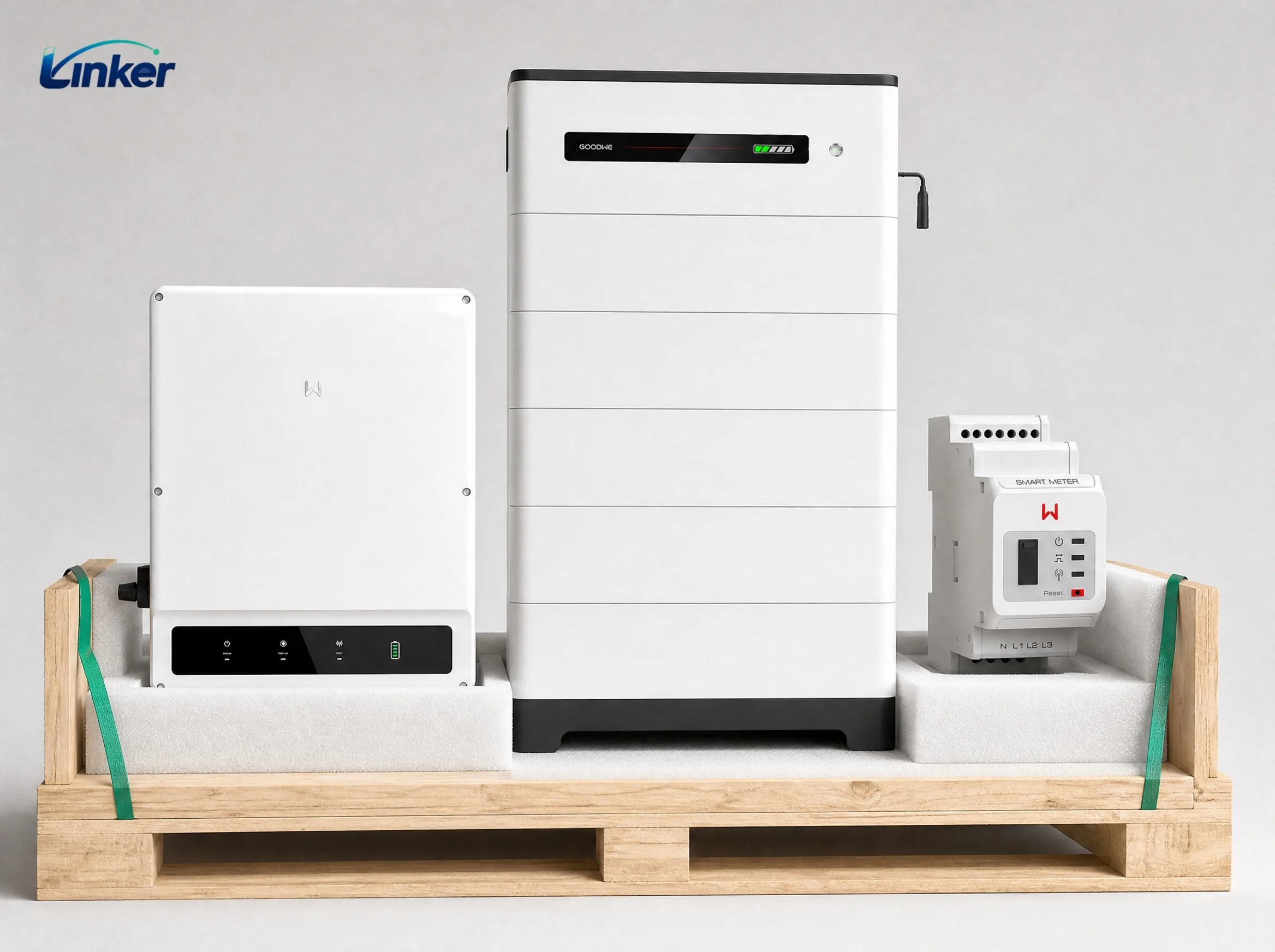
- Three-Phase Hybrid Inverter Platform
- Modular Lynx Home HV Battery
- Compatible GoodWe Smart Metering
- Backup Options Available by Configuration
SAJ HS2 + B2
An integrated SAJ residential storage platform pairing the HS2 hybrid system with modular B2 battery storage for three-phase home energy applications.
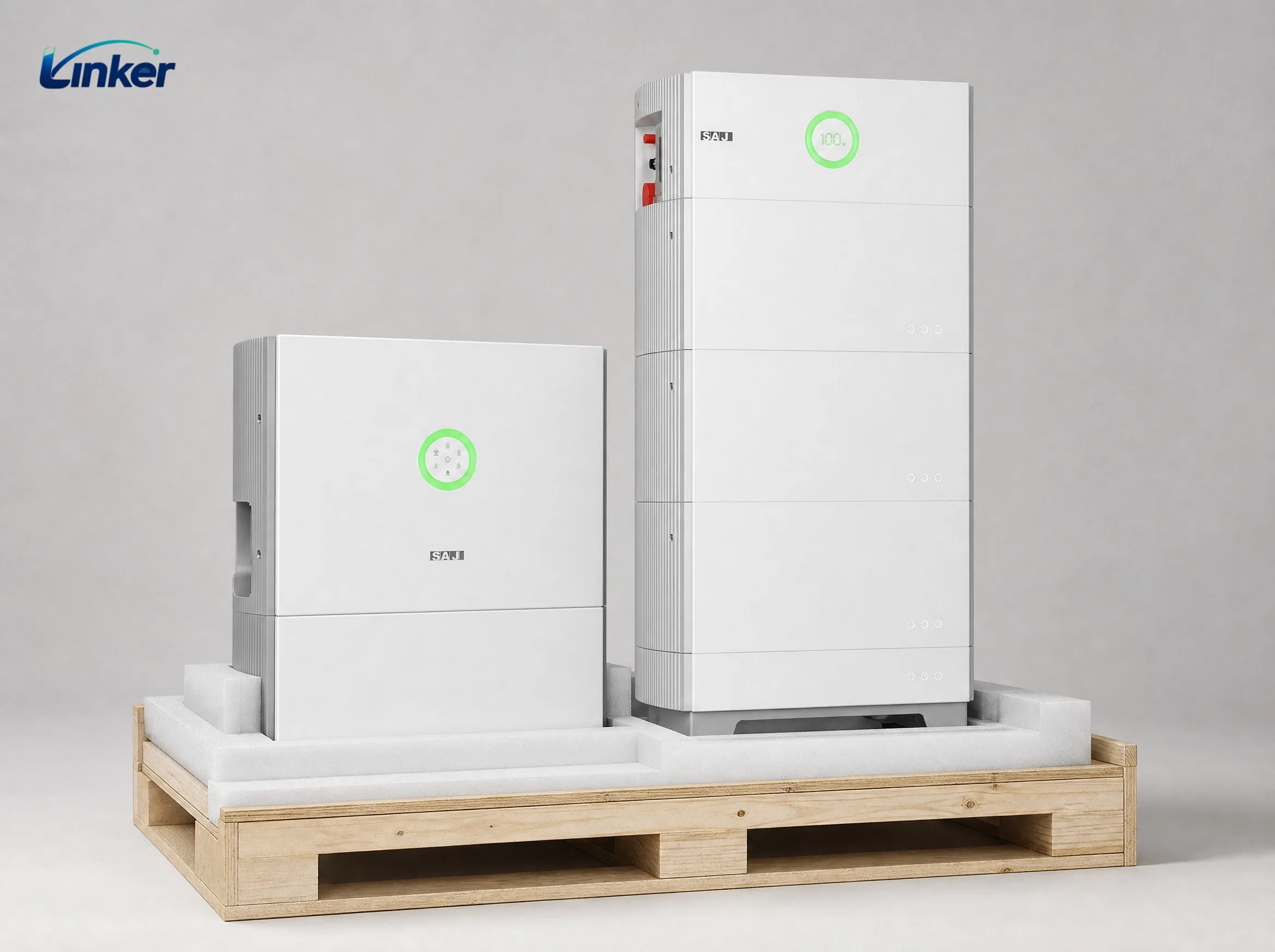
- Three-Phase Residential Storage Platform
- Modular High-Voltage B2 Battery
- Integrated Energy Management Functions
- Backup Configuration Available by System Setup
EcoFlow PowerOcean
A residential storage platform built around modular high-voltage battery packs, hybrid power conversion and integrated energy-management functions.
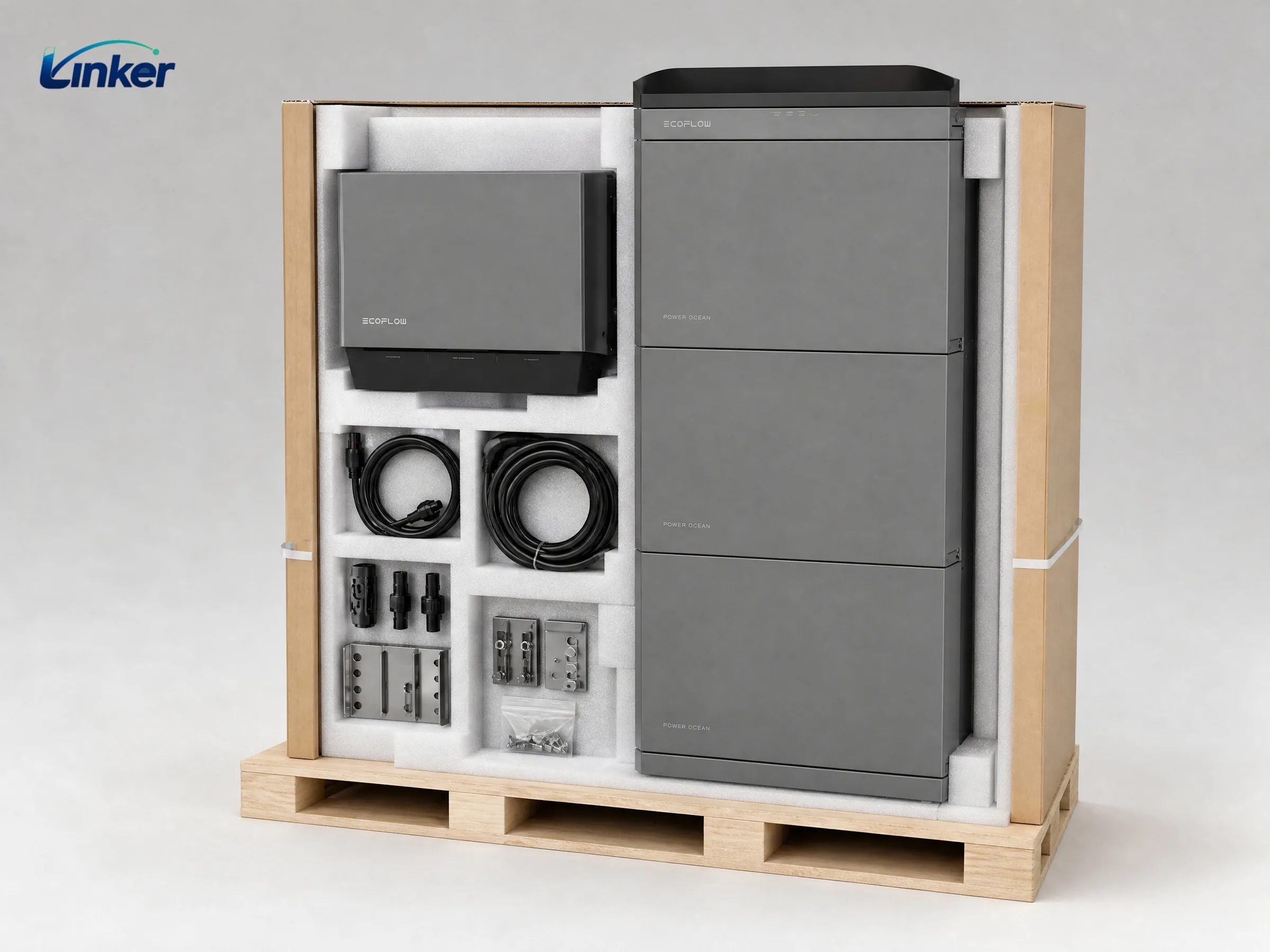
- Three-Phase Residential Hybrid Platform
- Modular Battery Expansion
- Integrated Energy Management
- Backup & Home Energy Features by Configuration
Give the project more shape before the products are ordered.
A residential system becomes easier to discuss when the roof, household demand and equipment options are visible in one workflow. Linker tools help move from an early idea toward a clearer equipment decision.
See the roof before choosing the system.
Map the property, roof areas and PV layout in Linker Site Detail so the solar side of the project has a clearer starting point.
- Roof Layout: Work around roof shape, dormers, skylights and usable installation areas.
- PV Layout: Organize module placement and string planning around the available roof space.
Turn household demand into a clearer system shortlist.
Add information such as household electricity use, planned battery capacity, heat pump demand or EV charging to narrow the inverter, battery and accessory options for the project.
- Storage Planning: Compare battery capacity against the household use case.
- Product List: Bring the main inverter, battery and related components into one equipment view.
Ask the technical question before it becomes a site question.
Use Linker Advisor to find product information such as inverter-battery compatibility, communication details, manuals and the documentation on file.
- Compatibility: Check supported inverter and battery combinations.
- Documentation: Find the wiring, product and grid-related documents on file.
The hardware is only half the handover.
Residential energy systems can require product certificates, technical parameters and control information depending on the equipment, country and grid connection. Linker keeps the documentation on file close to the products being supplied.
VDE-AR-N 4105 Documentation
For applicable products in Germany, the documentation on file may include certificates and technical information relevant to low-voltage grid connection requirements.
Control & Metering Information
Supported smart meters, control interfaces and product settings may be required for energy management or grid-related control functions.
Compatibility Documentation
The compatibility information on file confirms supported inverter, battery and accessory combinations before the equipment is ordered.
Planning a Residential System?
Start with the property, storage requirement or product family you are considering. Linker Planner can help organize the equipment options into a clearer starting point.
Start in Linker Planner →From the first home brief to the equipment order.
Every residential project starts with different information. The process below helps turn that information into a clearer product combination and quotation.
01 · Start with the home.
Share the basic project information: existing or planned PV, household electricity use, storage goals, backup requirements and any major loads such as a heat pump or EV charger.
02 · Narrow the system options.
Use the project requirements to compare suitable inverter platforms, battery capacities and related residential storage components.
03 · Check the combination.
Review the selected inverter, battery, meter and relevant accessories against the product information on file before the order is finalized.
04 · Put the equipment into one quotation.
Once the system is clear, Linker can prepare a quotation covering the selected equipment and available related components.
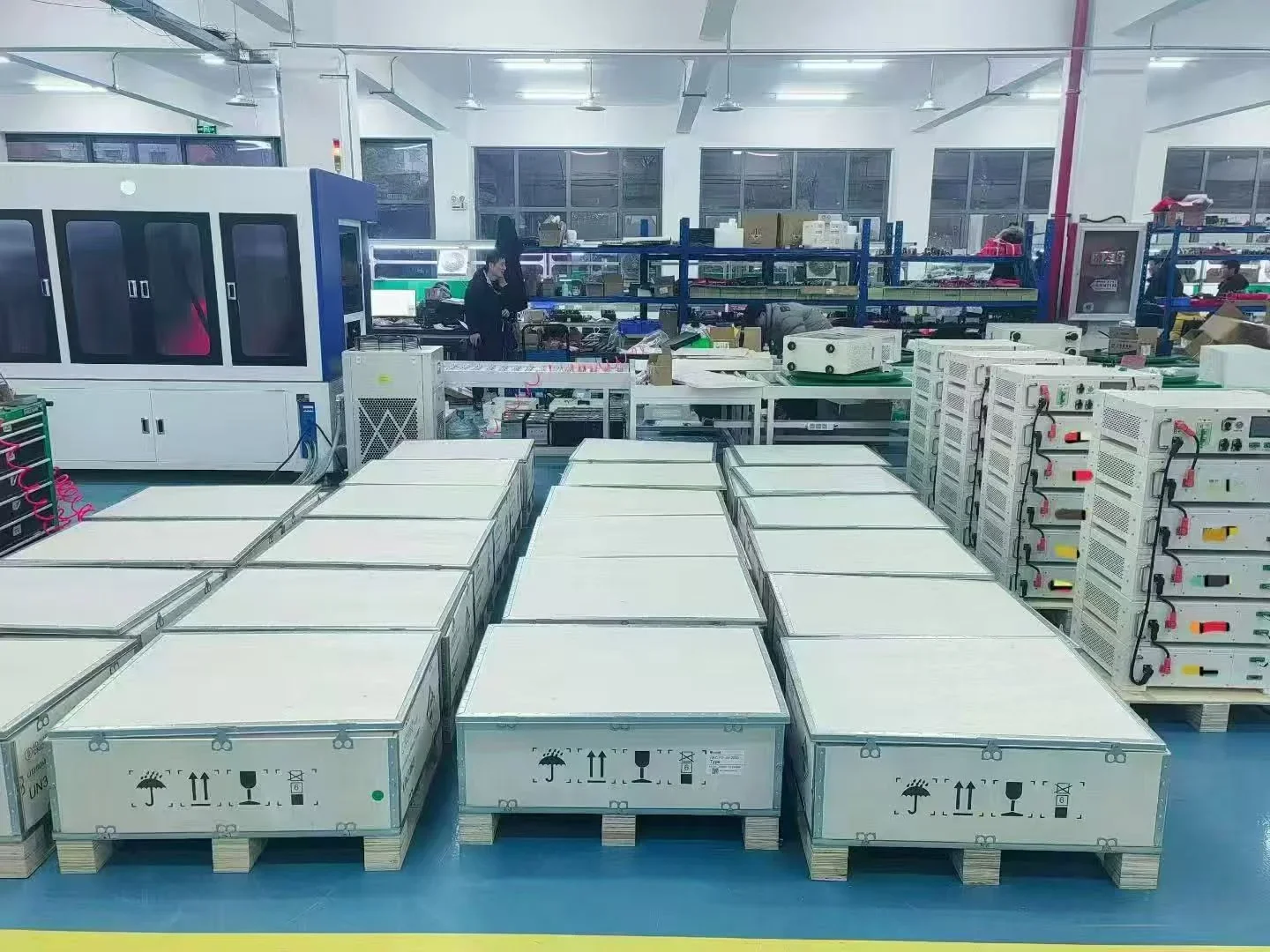
05 · Move from quotation to supply.
Confirm the equipment, place the order and keep Linker as a contact point for product documentation, technical questions and warranty coordination after purchase.
The questions behind a better home storage decision.
Battery size is only one part of the system. Compatibility, backup behavior, documentation and future household demand can matter just as much.
How do I know whether an inverter and battery are compatible?
Linker checks the compatibility information on file and relevant communication requirements for the combination being considered. If you already have an inverter model, send us the exact model number so the battery options can be narrowed down.
Can I add battery storage to an existing PV system?
An AC-coupled storage system can be one route for adding batteries to an existing PV installation without replacing the existing solar inverter. Whether this is the best option depends on the current system, backup requirements and the equipment being considered.
Can a residential battery keep the whole house running during an outage?
Backup power, supported load, transfer time and black-start capability vary between inverter and battery platforms. Some systems are designed around essential loads, while others support broader backup configurations.
The exact backup requirement should therefore be matched to the specific system rather than assumed from the product category.
How much battery capacity does a home need?
Annual consumption, daytime solar production, evening demand, heat pumps, EV charging, backup expectations and electricity tariffs can all affect the useful battery size.
The better starting point is the household's actual energy profile rather than simply choosing the largest battery available.
What documents are available for German residential projects?
For applicable models, this may include datasheets, manuals, declarations, grid-related certificates, compatibility information and technical parameter sheets.
If a specific document is required for the project, provide the model number before ordering so its availability can be checked.
Can Linker help after the equipment has been ordered?
For products purchased through Linker, our team can remain a contact point for product information, documentation, technical questions and warranty coordination.
Who is the Linker Partner Portal for?
It provides a direct route into product enquiries, quotations and account-based purchasing.
Every home uses energy differently. Build the storage around it.
Start with the property, the products or simply the storage requirement. Linker can help connect the inverter, battery, accessories and product information into a clearer residential system.