LINKER UTILITY STORAGE · GERMANY
Containerized BESS platforms for larger commercial, grid and energy-infrastructure projects.
UTILITY STORAGE · MEGAWATT-SCALE BESS

When storage becomes infrastructure.

Containerized battery systems for projects measured in megawatts and megawatt-hours. Linker brings together utility-scale BESS platforms, product documentation and project-focused equipment support for European energy projects.

CONTAINERIZED BESS

More capacity. More duty cycles. More ways to build.

Utility-scale storage does not begin with one standard container. Energy capacity, power rating, duration, grid application, footprint and control architecture all influence which platform belongs in the project.
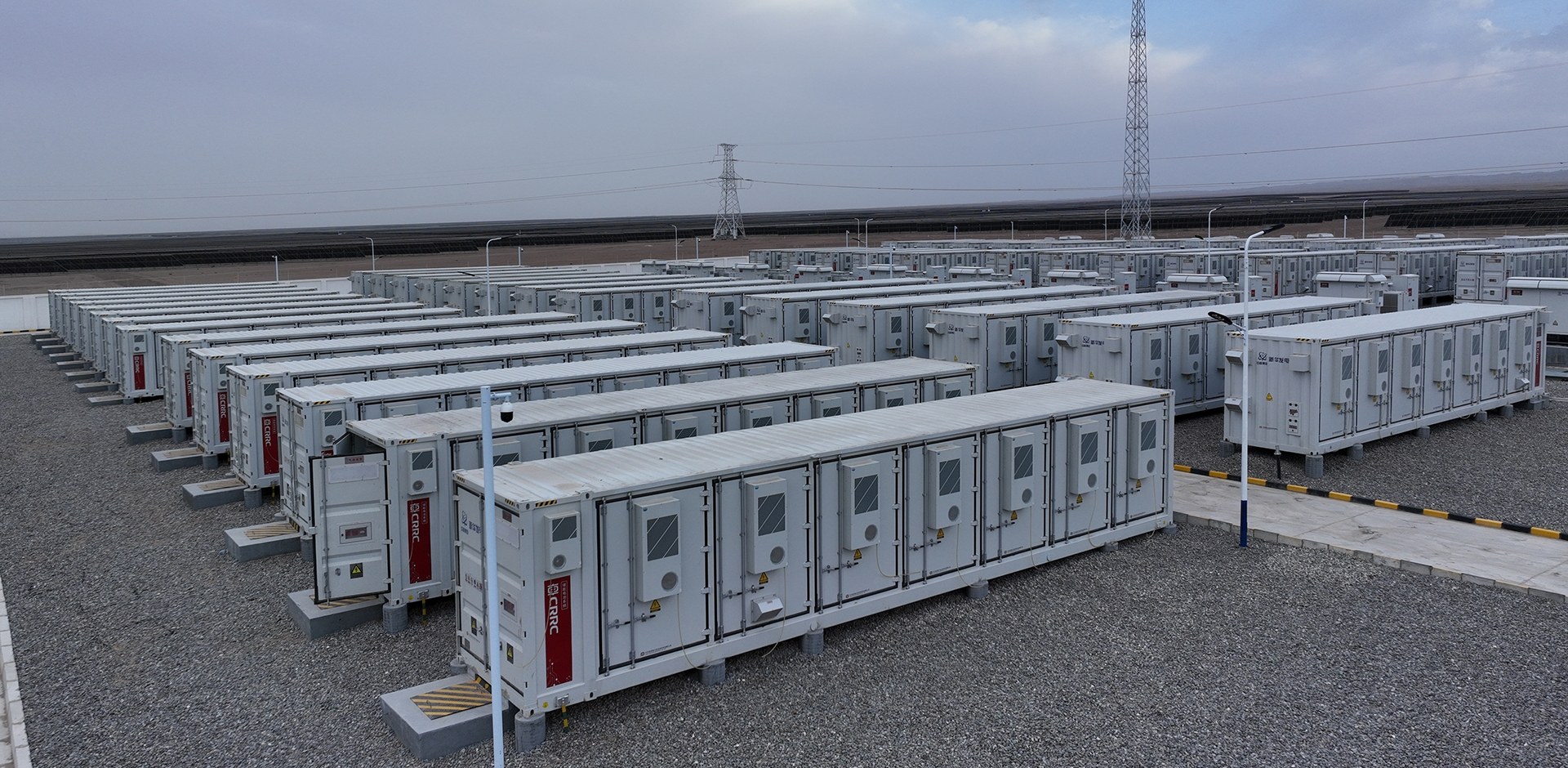
CRRC 6.X Liquid-Cooled Container
CRRC Platform High-Density Liquid Cooling

CRRC 6.X Liquid-Cooled CESS

HIGH-DENSITY CONTAINER · MULTI-MWH STORAGE · GRID APPLICATIONS

The CRRC 6.X platform is built around high-density liquid-cooled container storage for projects where energy capacity and physical footprint both matter.

Available models cover several multi-megawatt-hour configurations within standardized container formats, giving project teams different capacity options around the same platform family.
CESS-L3125-EU · 3.125 MWh CESS-L3450-EU · 3.45 MWh CESS-L6250-EU · 6.25 MWh
Up to 6.25 MWh Container Capacity
LFP Battery Chemistry
High-Voltage DC Architecture
Liquid Cooling Thermal Management
Utility Scale Application Class
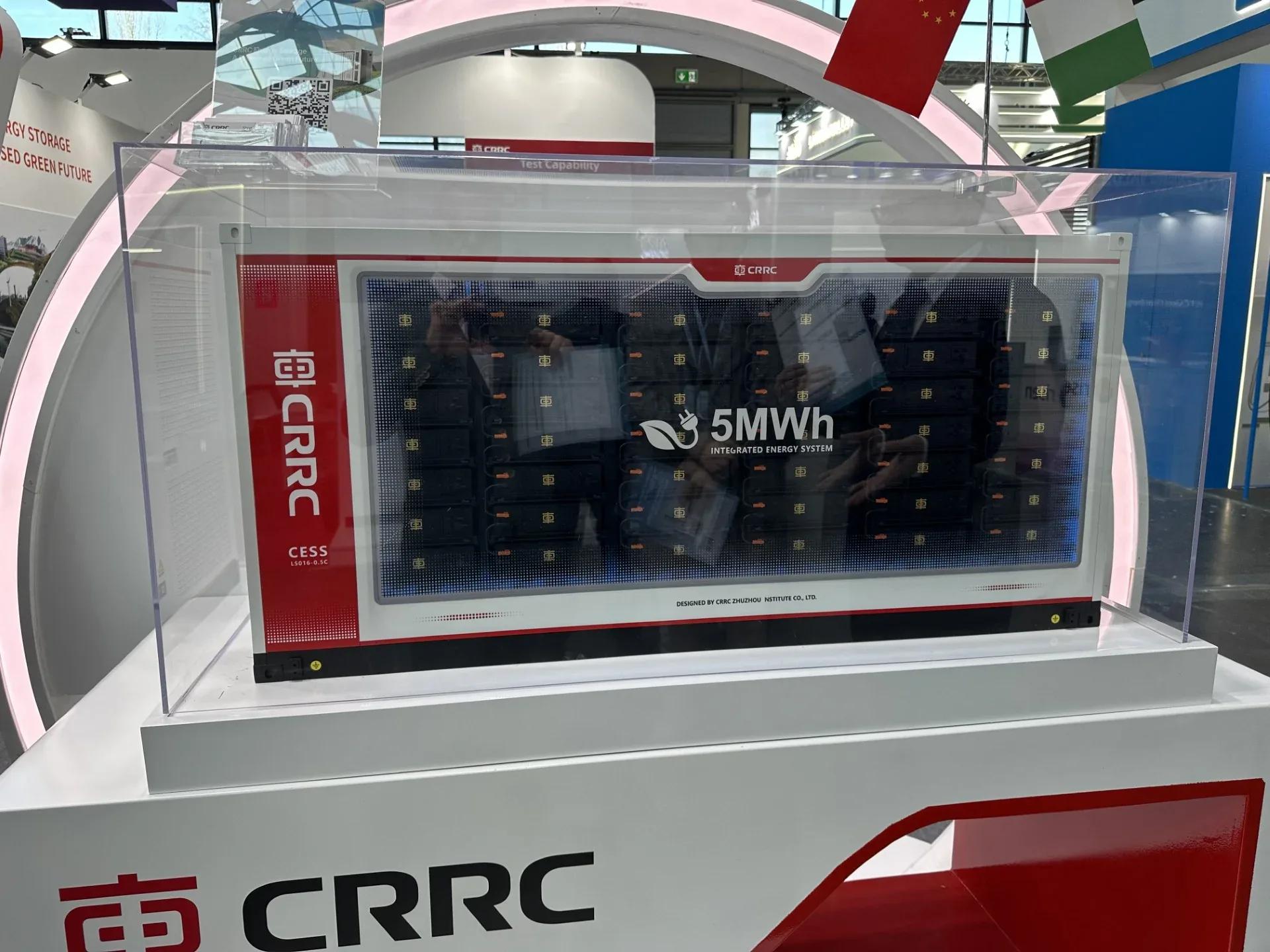
CRRC 5.X String Type Utility Container
CRRC Platform String Architecture

CRRC 5.X String-Type BESS

STRING PCS · MULTI-MWH STORAGE · FLEXIBLE POWER BLOCKS

The CRRC 5.X platform uses a string-based architecture for utility and renewable-energy storage projects where independent power blocks and flexible operating configurations are important.

Different charge and discharge rate options can support different project durations and operating strategies.
CESS-L5016-STR-0.5C · 2-Hour Configuration CESS-L5016-STR-0.25C · 4-Hour Configuration
5.016 MWh Container Capacity
String PCS Architecture
0.5C / 0.25C Rate Options
LFP Battery Chemistry
Liquid-Cooled Thermal Management
Pylontech OPTIM US and Powercube Utility Series
Pylontech Platform Modular Scaling

Pylontech Powercube & Optimus

MODULAR STORAGE · FLEXIBLE BLOCK SIZES · MICROGRID & GRID APPLICATIONS

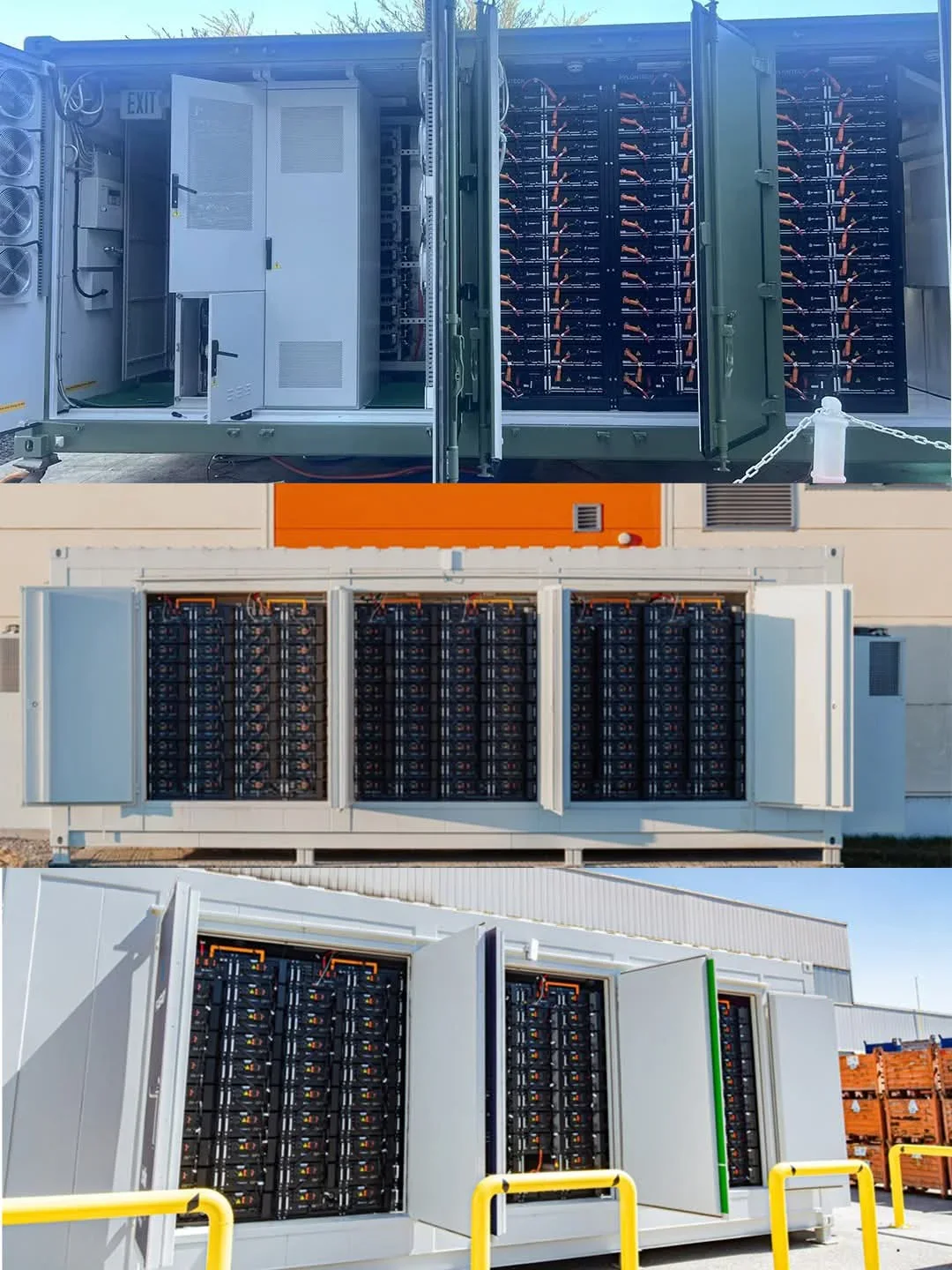
Pylontech utility storage platforms provide modular battery blocks for projects that need a different route to scale.

From rack-based storage to containerized systems, the architecture can support staged capacity planning across commercial, microgrid and larger energy-storage applications.

A1000-OMNI · 10ft · 1.0 MWh A2000-OMNI · 20ft · 2.0 MWh Powercube M1 · Rack-Based Platform
1.0 MWh+ Block Options
Modular Scaling Architecture
High-Voltage Battery Platform
LFP Battery Chemistry
Rack / Container Configuration Options
UTILITY PROJECT SUPPORT · BARLEBEN

Big hardware leaves less room for loose assumptions.

At utility scale, equipment selection depends on more than nominal MWh. Project duration, power requirements, connection level, thermal architecture, communication and documentation all need to line up around the selected platform.

System & Product Matching

Compare available BESS platforms against project requirements such as power, energy capacity, duty duration and site constraints.

Grid & Product Documentation

Review the unit certificates on file, control information and technical documentation associated with the selected BESS platform.

Interface Information

Bring together available PCS, BMS, EMS and plant-control information where communication interfaces form part of the equipment package.

LINKER TECHNICAL DESK · UTILITY STORAGE
> CRRC CESS-L6250-EU capacity, DC architecture and available grid documentation
CRRC CESS-L6250-EU
• Nominal energy capacity: 6.25 MWh
• High-voltage LFP battery architecture
• Liquid-cooled thermal-management platform
• Technical and grid-related documentation on file available by project requirement
• Standardized containerized BESS format
CRRC UTILITY BESS LIQUID COOLING GRID DOCUMENTATION
FROM REQUIREMENT TO EQUIPMENT

Utility projects start long before the purchase order.

A megawatt-scale enquiry usually arrives with more than a model number. Connection conditions, required duration, site footprint and operating objective all influence the equipment conversation.
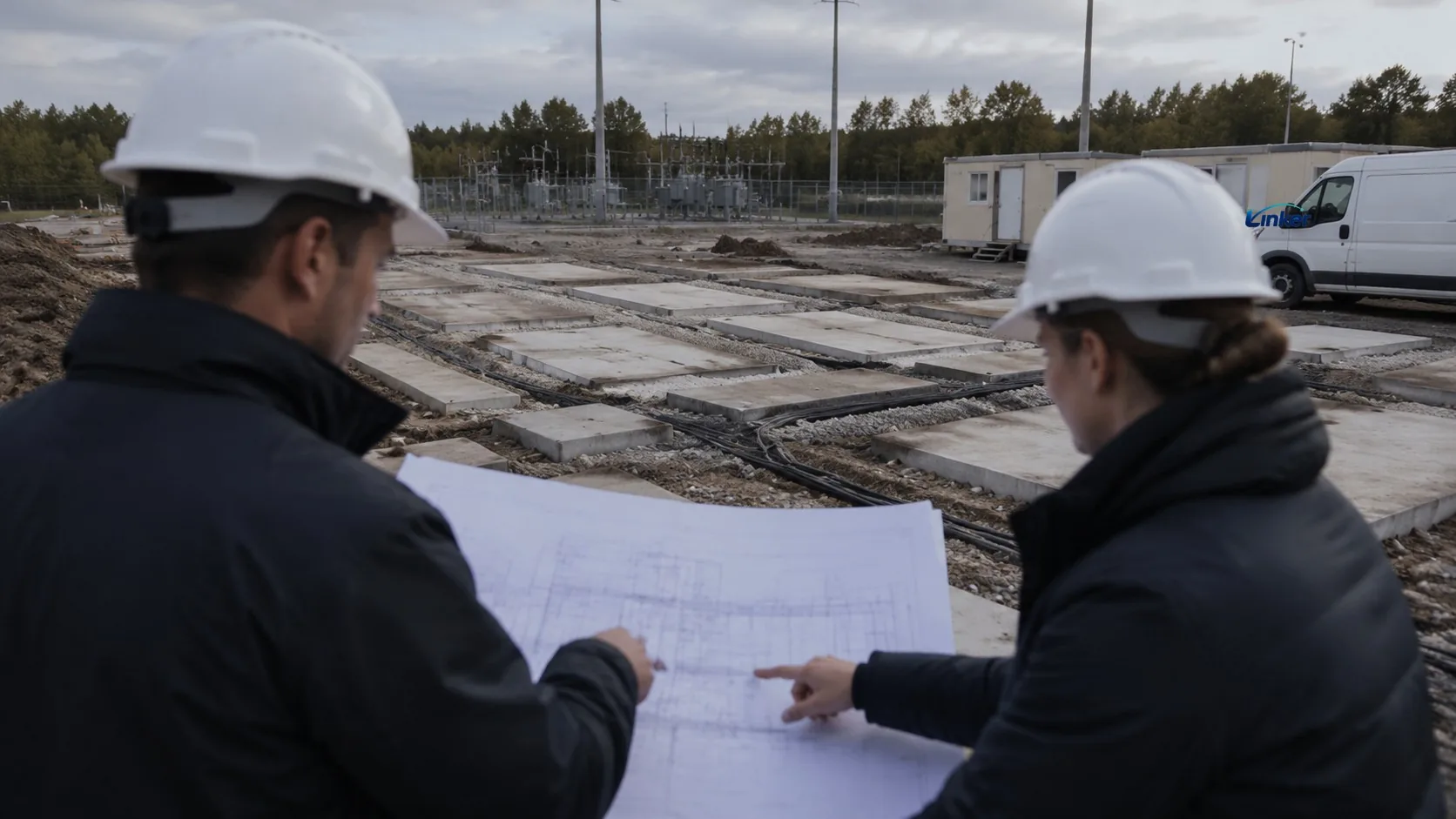

Reviewing connection and foundation specs
Stage 01 · Project & Site Brief

01 · Start with the project conditions.

Share the available project information, including required MW and MWh, intended application, grid connection level, project location and any known site constraints.

Scale MW / MWh Requirement
Application Arbitrage · Renewable Firming · Grid Support · Microgrid
Connection Available Grid Information
Matching container platform at technical desk
Stage 02 · Platform Matching

02 · Narrow the BESS architecture.

Compare available container platforms against the required energy duration, power level, physical footprint and project application.

CRRC High-Density & String-Type Platforms
Pylontech Modular Rack & Container Options
Duty Duration 2-Hour · 4-Hour · Project-Specific
Reviewing formal quote
Stage 03 · Technical Documents

03 · Put the documentation beside the hardware.

Once the preferred platform is clearer, review the datasheets, certificates, communication information and other technical documents relevant to the project.

Grid Unit Certificates on file
Control PCS · EMS · Communication References
Safety Available Product Safety Documentation
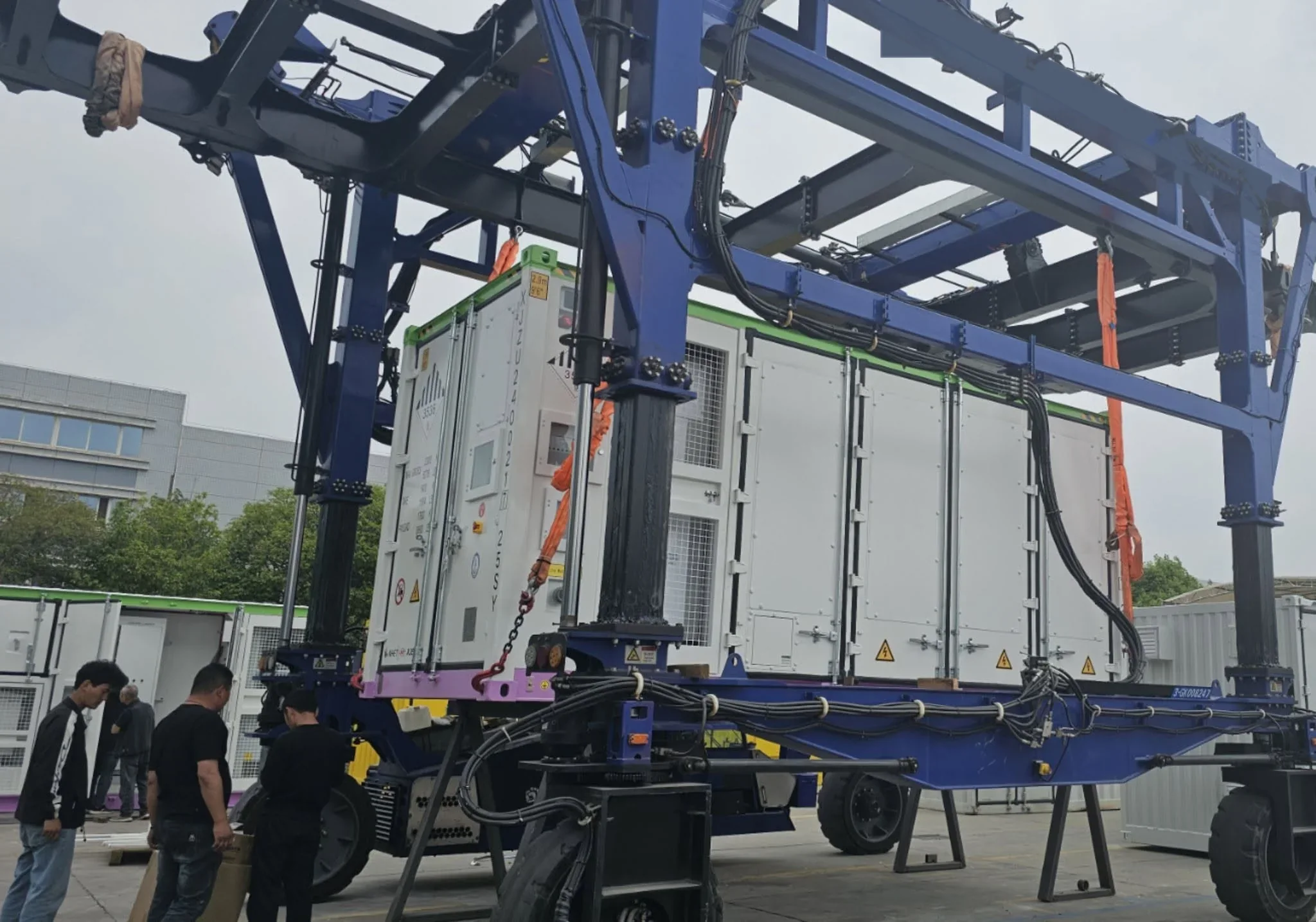
Heavy freight crane lifting
Stage 04 · Commercial Proposal

04 · Turn the platform into a commercial proposal.

Linker can prepare an equipment quotation around the selected BESS platform, product configuration and available commercial terms.

Equipment Selected BESS Platform
Commercial Terms Product Pricing & Order Conditions
Project Information Relevant Documentation
WHERE MEGAWATT STORAGE FITS

The container is the hardware. The value comes from what the grid asks it to do.

Utility-scale BESS can serve very different operating strategies. The required power-to-energy ratio, cycling profile and control architecture depend heavily on the application.

ENERGY ARBITRAGE

Store when energy is available. Use it when value moves.

Battery storage can shift energy between different periods of the day, depending on market structure, operating strategy and project economics.

Typical Focus
2-Hour / 4-Hour Duration
Daily Cycling
Energy Shifting
RENEWABLE INTEGRATION

Give variable generation somewhere to go.

Utility storage can absorb surplus solar or wind generation and release energy later, helping renewable-energy projects manage the gap between generation and demand.

Typical Focus
Solar + Storage
Wind + Storage
Generation Firming
GRID SUPPORT

Capacity is only useful when it can respond.

Depending on the system architecture and market requirements, BESS can participate in applications such as grid balancing, frequency response and capacity support.

Typical Focus
Fast Response
Plant Control
High-Cycle Operation
MICROGRID & INFRASTRUCTURE

Build storage where grid strength is not guaranteed.

Larger battery systems can also form part of microgrids, isolated energy systems and infrastructure projects where renewable generation, local loads and storage operate together.

Typical Focus
Microgrid Storage
Renewable Integration
Local Energy Resilience
START THE CONVERSATION

Bring us the project before you bring us the model number.

You do not need to know the final BESS configuration before contacting Linker. Start with the project scale, application, location and any known grid or site requirements.

  • 1
    Project Scale Tell us the approximate MW and MWh requirement or the expected operating duration.
  • 2
    Application & Site Share the intended duty, project location and any available grid or site information.
  • 3
    Platform & Proposal We can use the project brief to narrow relevant equipment platforms and prepare the next commercial step.
Your project information is handled by the Linker team for product review and commercial follow-up.
UTILITY STORAGE

Megawatt projects do not start with a shopping cart.

Start with the scale, duty profile and project requirements. Linker can help connect the project brief with suitable utility BESS platforms, technical product information and a commercial proposal.

Discuss a Utility Project → Explore BESS Platforms