How to Size Battery Storage for a Residential Backup System
A step-by-step method for calculating battery storage capacity based on daily load curves, backup duration targets, and depth-of-discharge constraints.
Article context
Start with your backup loads
List every circuit you want to power during a grid outage: refrigerator, lights, router, security system, garage door opener. Sum their continuous watts and estimate daily kWh consumption by multiplying watts by hours of use.
Apply the autonomy factor
How many hours of backup without solar recharge? A typical European residential backup target is 8-24 hours for essential loads. Multiply daily kWh by autonomy hours divided by 24 to get the target usable capacity.
Depth of discharge and usable capacity
LFP batteries are typically rated at 90% depth of discharge. A 5 kWh LFP battery provides approximately 4.5 kWh of usable energy. Always size around usable, not nameplate, capacity.
Plan for expansion
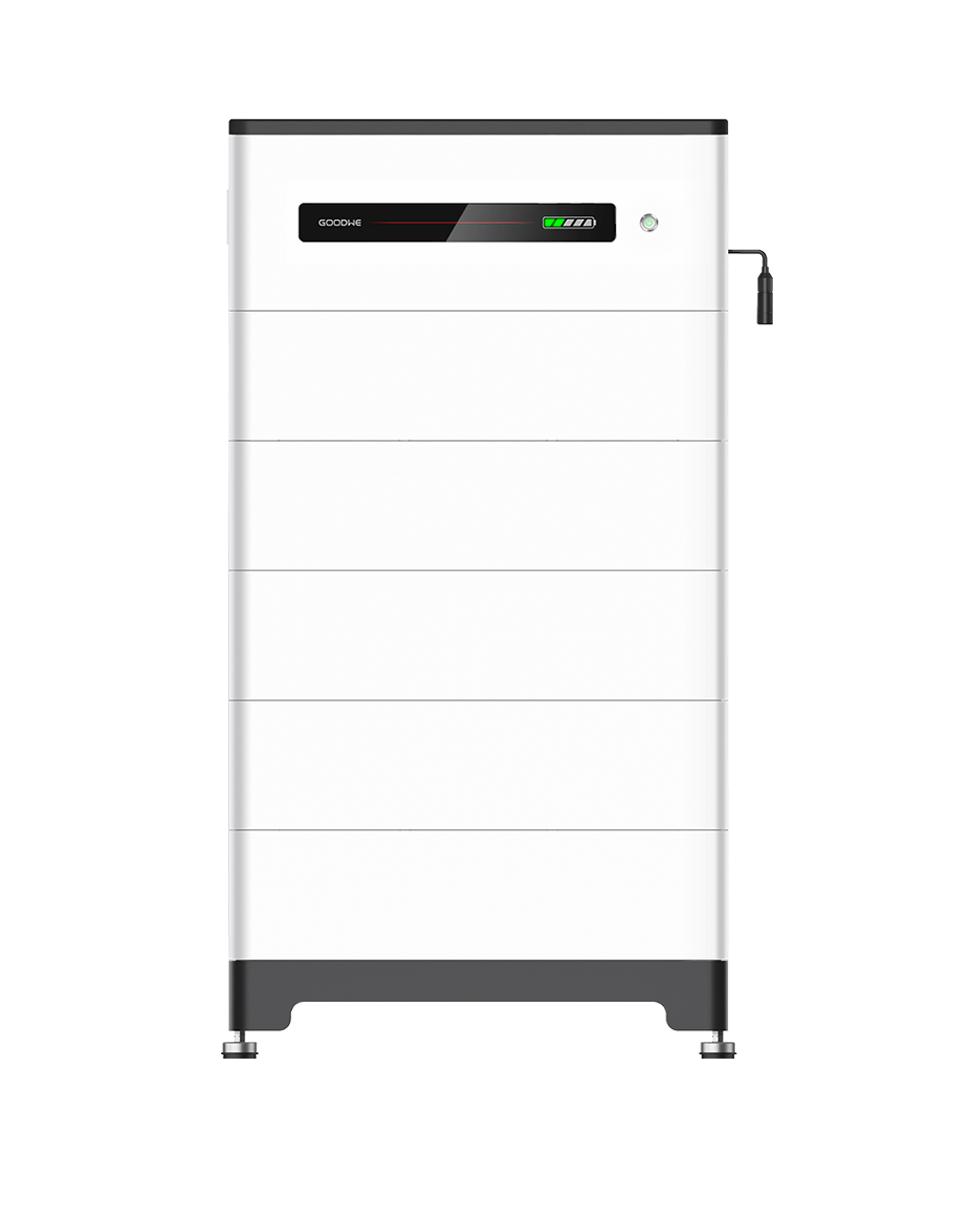
Stackable battery systems let you start with one or two modules and add more later. Leave space in your rack and ensure your inverter can handle the expanded DC input range.
Have load data, site constraints, or product-fit questions related to this topic?
Request system reviewTurn article notes into a clear system path.
Share your project parameters and Linker will help frame the next specification step.