Indoor vs Outdoor Battery Storage: What Changes in System Planning
How ambient temperature, humidity, IP rating, and ventilation requirements drive the decision between indoor and outdoor battery storage installations.
Article context
Why the installation environment matters
Battery chemistry, enclosure rating, and thermal management requirements all depend on where the battery will live. A garage installation has different constraints than a north-facing exterior wall exposed to rain and temperature swings.
Indoor installation considerations
Indoor batteries need adequate ventilation, fire-rated wall mounting, and clearance from combustible materials. Wall-mounted LFP batteries fit neatly into utility rooms and garages.
Outdoor installation considerations
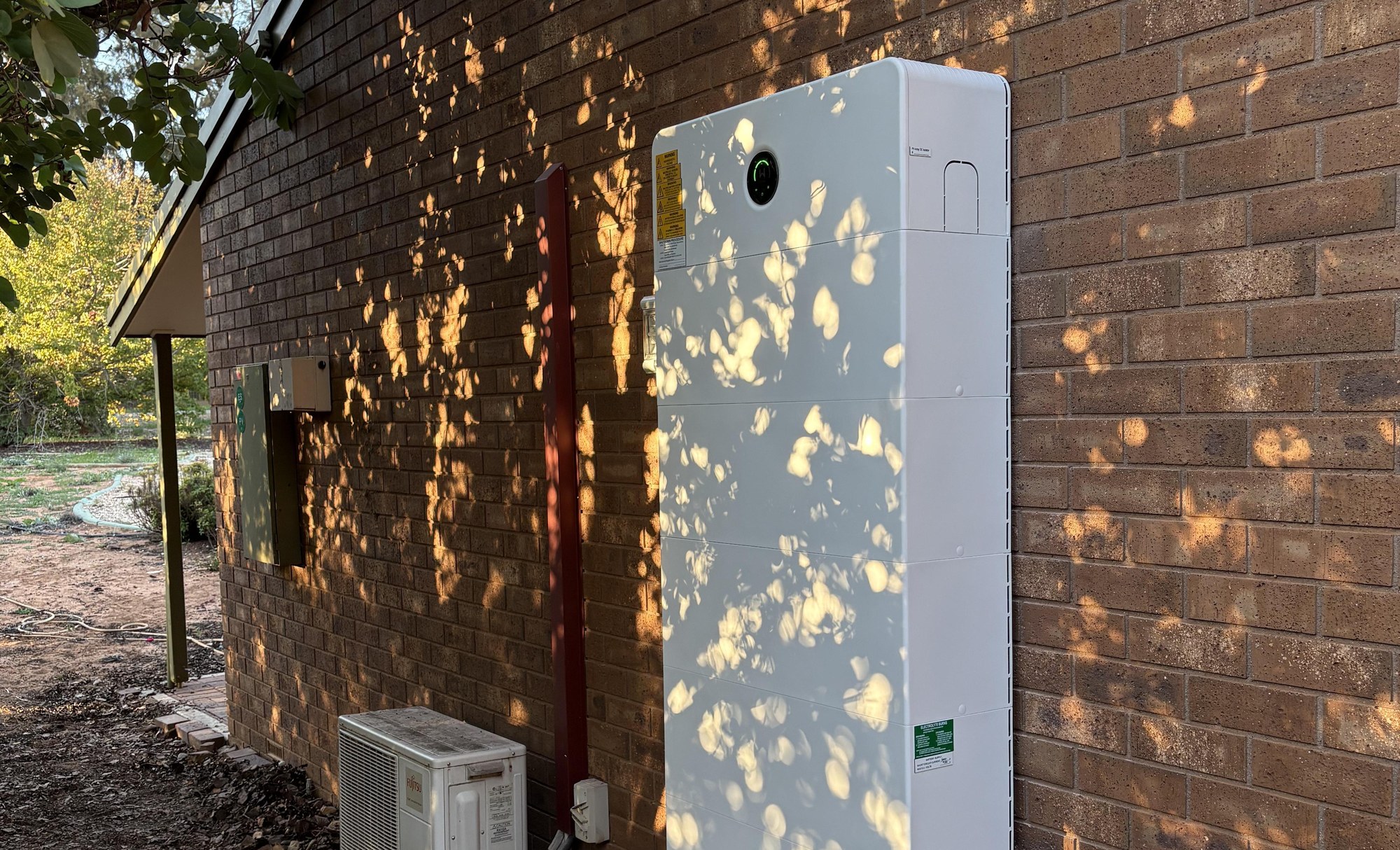
Outdoor batteries require IP65 or higher enclosure ratings, UV-resistant housings, and wider operating temperature ranges. Purpose-built outdoor models are designed for -20 C to +50 C ambient conditions.
Local code and insurance
Check local fire codes, insurer requirements, and grid operator rules before finalizing the battery location. Some jurisdictions require a dedicated battery room above certain kWh thresholds.
Have load data, site constraints, or product-fit questions related to this topic?
Request system reviewTurn article notes into a clear system path.
Share your project parameters and Linker will help frame the next specification step.