Gateway, Meter, and Cloud Monitoring: How the Data Layer Fits Together
A clear breakdown of the physical and software layers that connect the inverter gateway, energy meter, and cloud platform for real-time system visibility.
Article context
The three-layer monitoring architecture
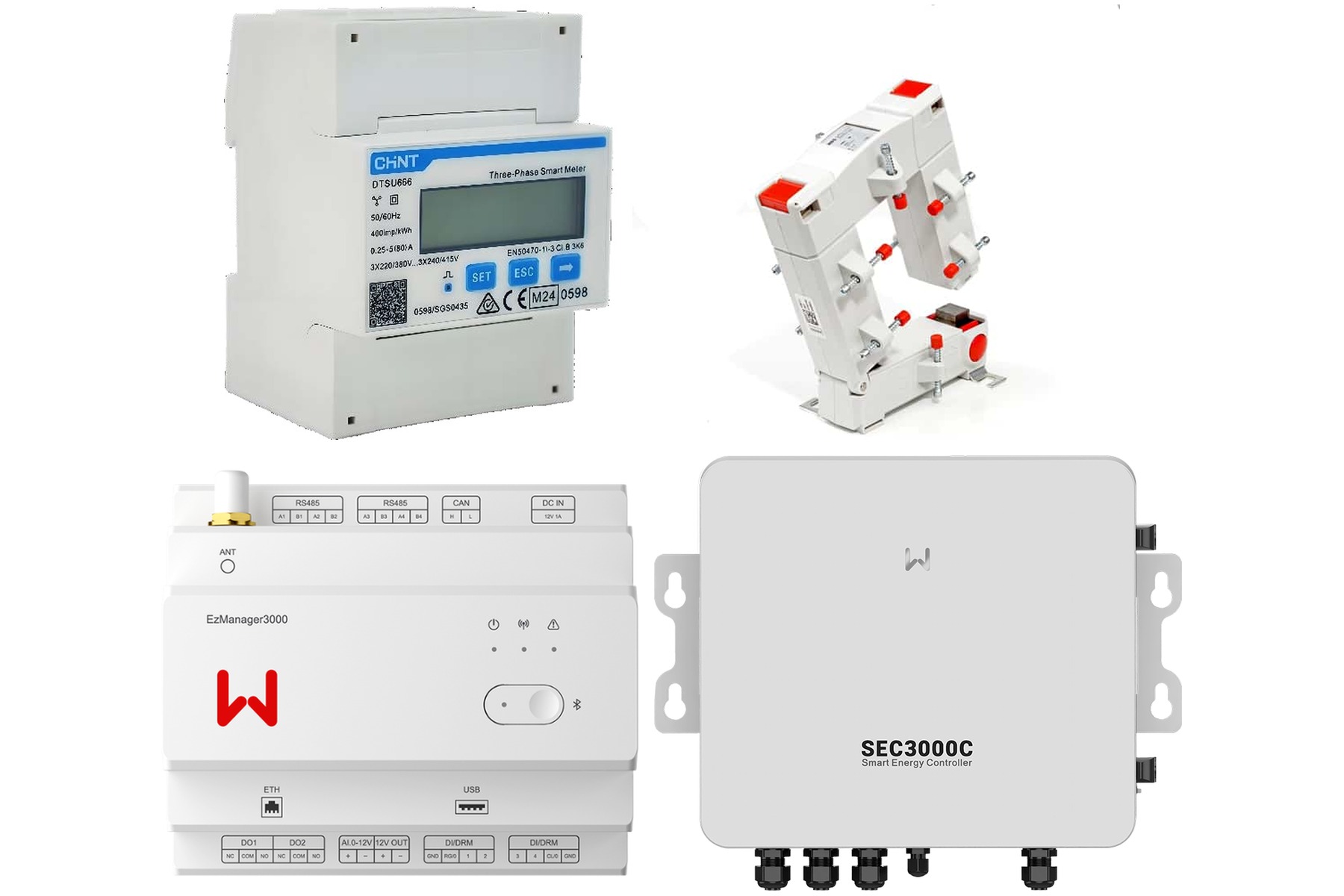
A complete monitoring stack has three layers: measurement (meters, CTs), communication (gateways, DTUs), and cloud platform. Each layer serves a distinct purpose.
Layer 1: Measurement
Smart meters and current transformers measure energy flows at the grid connection point, PV input, battery charge/discharge, and load consumption. Without accurate metering, the inverter cannot make correct charging decisions.
Layer 2: Communication
Data transfer units collect data from inverters and meters over RS485 or CAN bus, then relay it to the cloud via Wi-Fi, Ethernet, or 4G. The DTU also handles firmware updates and remote commands.
Layer 3: Cloud platform
The cloud platform aggregates data from multiple sites, provides dashboards for installers and end users, stores historical data, and generates reports.
Have load data, site constraints, or product-fit questions related to this topic?
Request system reviewTurn article notes into a clear system path.
Share your project parameters and Linker will help frame the next specification step.