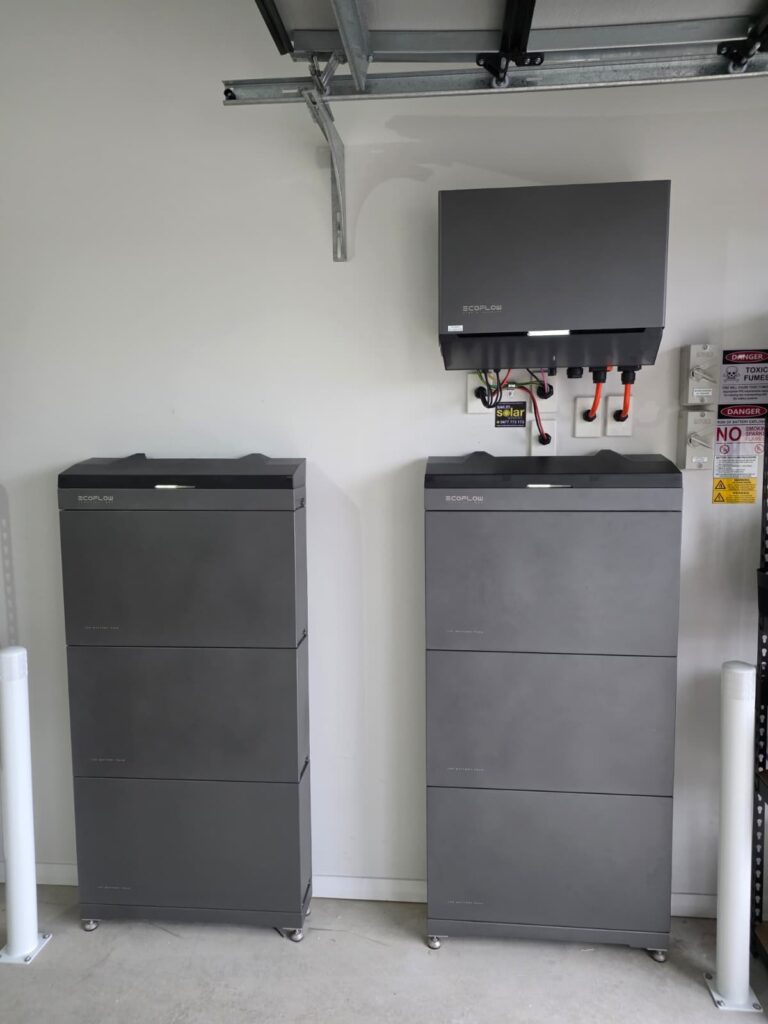
Residential Storage: Backup Power, Self-Consumption, and System Expansion
How to design a residential storage system that balances backup power coverage, self-consumption economics, and future expansion headroom.
Article context
Three value propositions for residential storage
Homeowners install battery storage for three main reasons: backup power during grid outages, higher self-consumption of solar energy, and future-proofing for EV charging or heat pump loads.
Backup power
In backup mode, the inverter isolates the home from the grid during an outage and forms a local microgrid powered by batteries and solar. Sub-10 ms switchover keeps computers and routers running.
Maximum self-consumption
Without a battery, a typical residential PV system exports 50-70% of its production. With storage and a smart EMS, self-consumption can exceed 80%. The battery stores surplus solar during the day and discharges to cover evening loads.
Planning for expansion
Start with a battery sized for today’s essential loads, but choose an inverter with headroom for additional battery modules and future high-power loads.
Have load data, site constraints, or product-fit questions related to this topic?
Request system reviewTurn article notes into a clear system path.
Share your project parameters and Linker will help frame the next specification step.