

SOLUTIONS FOR BUSINESS / FOR PROJECT DEVELOPERS

One supplier. One warranty chain. Project-ready documentation.

Every project ships with documentation your financier, engineer, and operator can read without translation. No multi-supplier archaeology.

Project developer reviewing TerraVolt system documentation
Documentation packages
System compatibility
Full lifecycle coordination
Single warranty chain

01 / The Real Cost of Multi-Vendor Projects

Six vendors. One warranty gap. Zero accountability.

Warranty fragmentation risk
WARRANTY FRAGMENTATION

Three battery suppliers. Five warranty documents. One approval committee asking: who owns the risk?

When a single installation spans inverter, battery, BMS, and EMS from different vendors, RMA routing becomes an archaeology project.
Bankability documentation gaps
BANKABILITY GAPS

Your financier requests Tier 1 supplier documentation. Your current supplier sends a one-page PDF.

Missing performance curves, warranty terms, and cycle-life data delay financial close by weeks.

Schedule uncertainty risk
SCHEDULE UNCERTAINTY

One delayed delivery. Liquidated damages across the entire project schedule.

Multi-vendor supply chains multiply delivery risk. Every added supplier is another point of failure.

Compliance complexity
COMPLIANCE COMPLEXITY

Grid operator, fire marshal, and insurer each want different certification documents from each component manufacturer.

Without a unified document package, compliance review becomes a multi-department timeline negotiation.

Commissioning risk
COMMISSIONING RISK

The battery talks to the BMS. The BMS talks to the EMS. But who talks to the inverter?

Multi-vendor system integration failures surface during commissioning — the most expensive moment to find them.

Performance visibility gaps
PERFORMANCE VISIBILITY

Three monitoring dashboards. Three data formats. Zero unified picture of system health.

Without single-platform visibility, performance degradation goes undetected until it affects revenue.

02 / How TerraVolt Works With Project Developers

Projects move when the documentation moves.

Five stages. One documentation chain. Zero vendor gaps for your project pipeline.

Feasibility stage

Feasibility Assessment

The numbers your financier wants. Delivered before you commit a purchase order.

What TerraVolt Checks
Site type, load profile, existing PV capacity, and storage target scope
What You Get
Product family recommendation with pre-validated architecture outline
System Design stage

System Design

Inverter-to-battery validation, single-line diagrams, and load analysis — not what-ifs, what-works.

What TerraVolt Checks
Compatibility across all components, communication protocols, and monitoring integration
What You Get
Single BOM with validated configuration and electrical schematics
Procurement stage

Procurement

One delivery window. One BOM. One invoice. Your complete storage package, not five partial shipments.

What TerraVolt Checks
Timeline alignment, stock confirmation, and logistics routing for your site
What You Get
One delivery window, one BOM, one invoice — complete package, not partial shipments
Commissioning stage

Commissioning

Pre-commissioning checklist, on-site support access, and a single acceptance protocol your team can execute.

What TerraVolt Checks
Pre-commissioning verification, integration testing, and installer readiness
What You Get
Commissioning checklist, support access, and unified acceptance sign-off
O&M stage

Operations & Maintenance

One monitoring dashboard. One warranty route. Every system in your fleet, visible from one screen.

What TerraVolt Checks
Post-commissioning performance, monitoring data accuracy, and warranty registration
What You Get
Warranty documentation, monitoring dashboard access, and ongoing support escalation path

03 / Documentation & Compliance

Project documentation. Ready when you are.

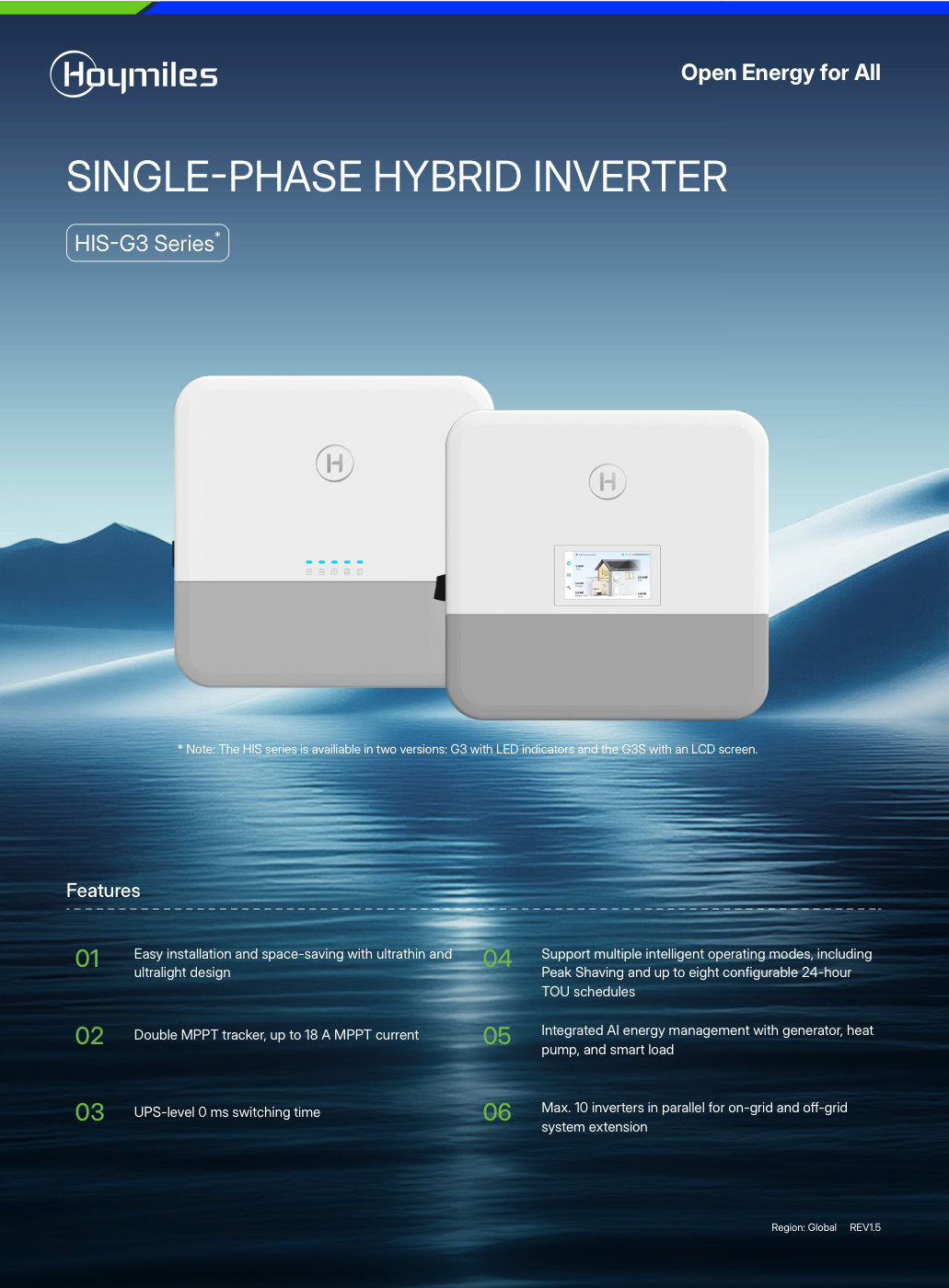
Datasheets, warranty routes, user manuals, compatibility notes, commissioning checklists, and monitoring handoff documents. One source for every document your project team needs.

DatasheetsWarranty RouteUser ManualsCompatibilityCommissioningMonitoring Handoff
Datasheet
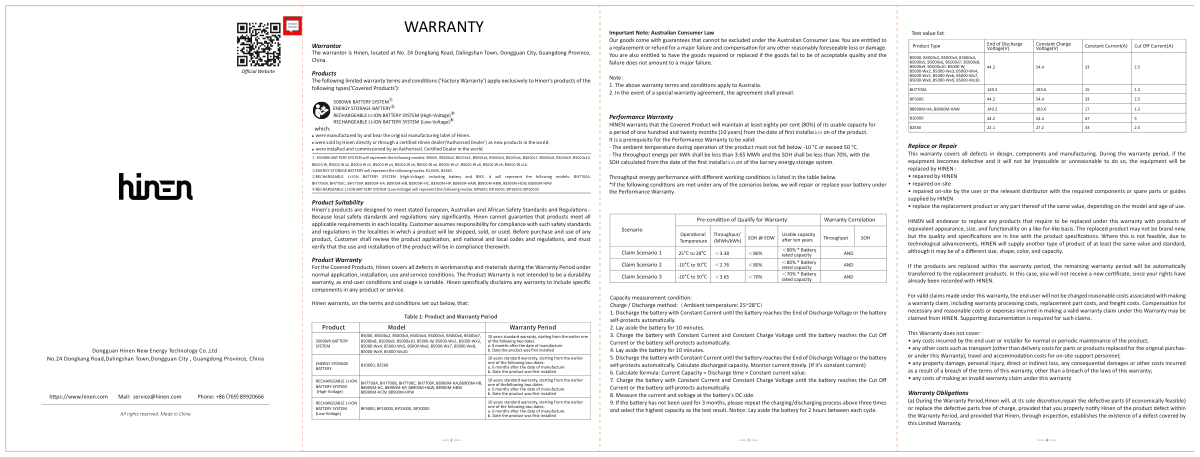
Warranty
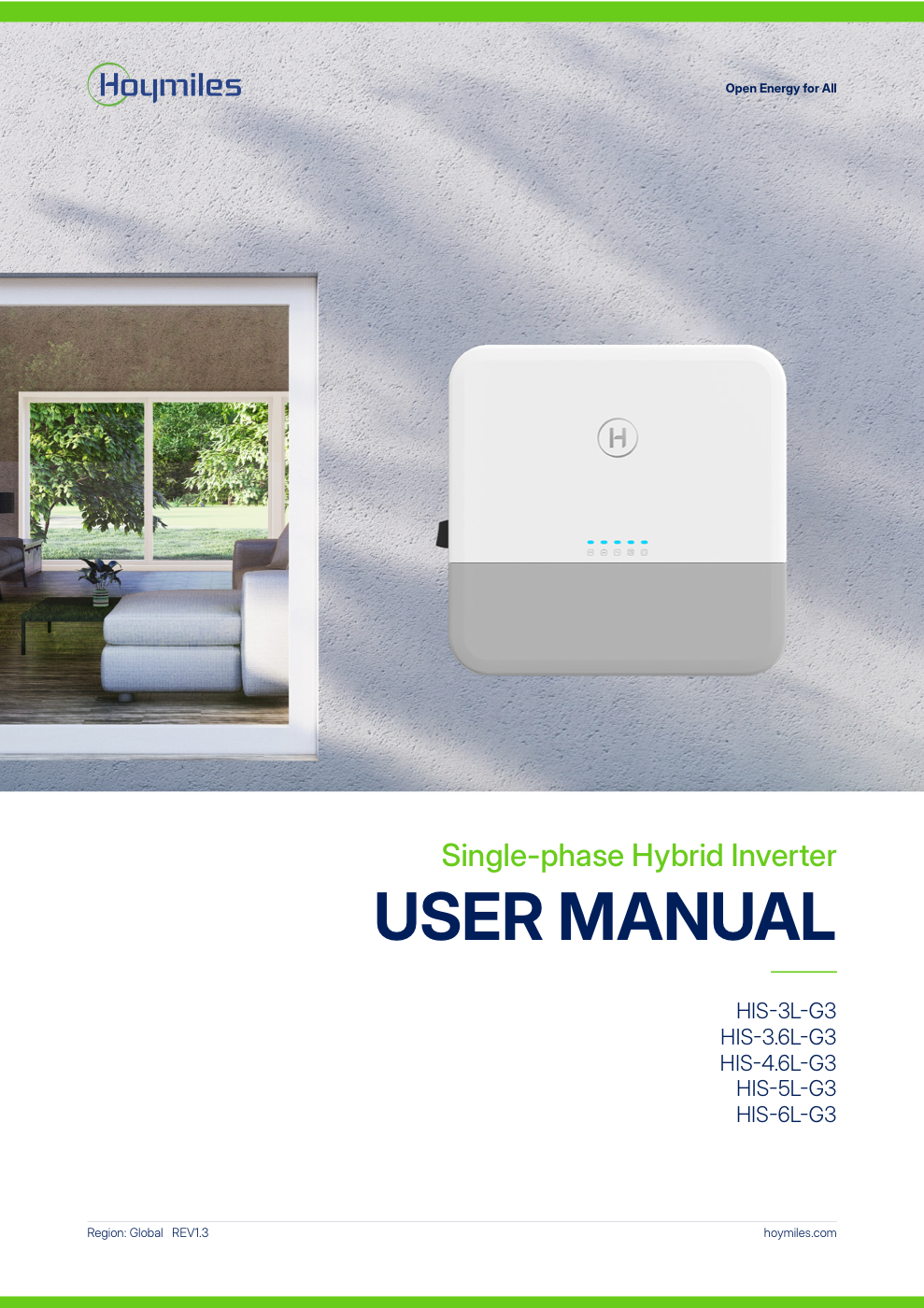
Manual
Compatibility
Install guide

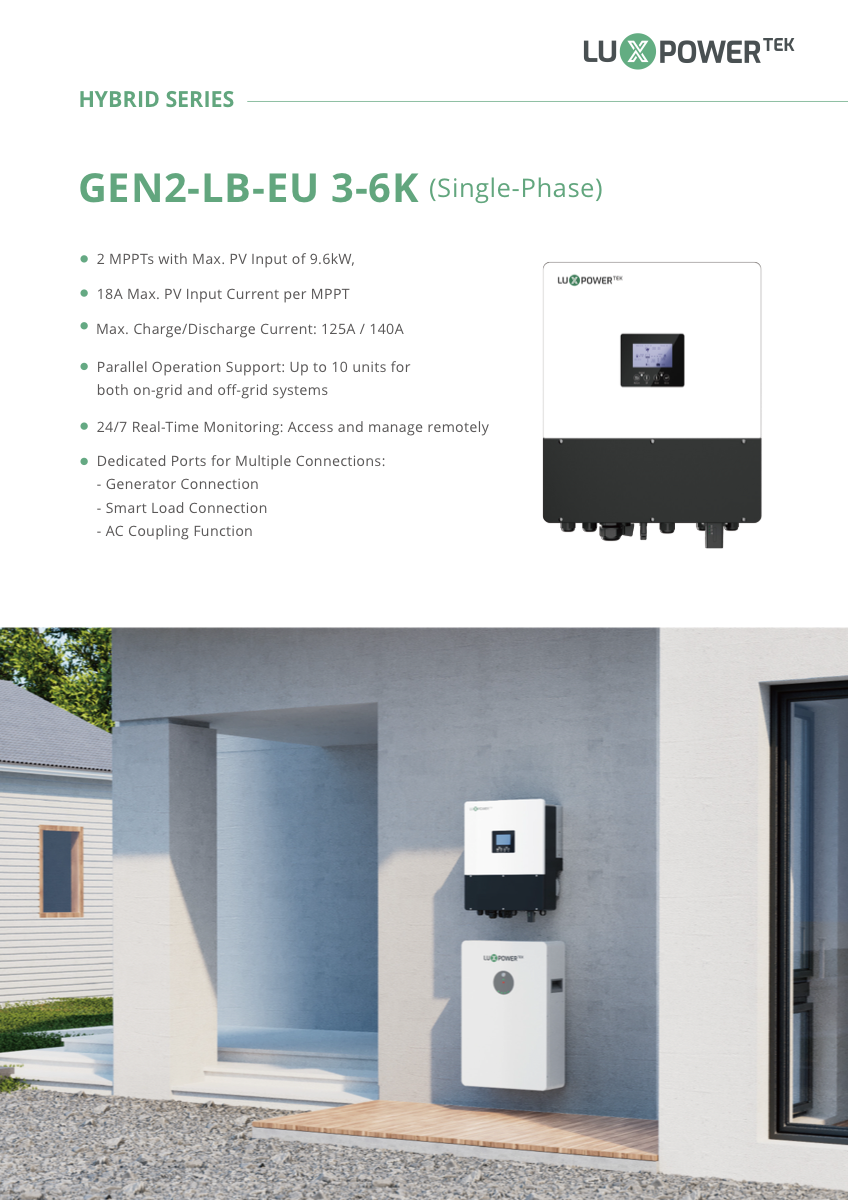
Datasheet

Technical Document

07 / Deployment Lifecycle

Projects that stayed on schedule.

Single documentation chain from feasibility through O&M.

System feasibility review

Feasibility Assessment

Technical docs & sizing

Design validation

System Design

Configuration validation

Procurement coordination

Coordinated Procurement

Single-supplier delivery

Field commissioning

Field Commissioning

On-site acceptance

Operations and maintenance

Long-Term O&M

Fleet monitoring

FEASIBILITY • DESIGN • PROCUREMENT • COMMISSIONING • O&M

08 / Project Developer Questions

Questions developers ask before committing their pipeline to a storage partner.

Project financing documentation package

Every component in a TerraVolt project ships with documentation that meets financier due-diligence requirements. No purchase order is required to access these documents — review them before you commit.

Document type What it covers When it's available
Product datasheets Technical specifications, efficiency curves, operating temperature ranges Immediately — online and PDF
Warranty terms Coverage duration, conditions, exclusions, and transferability clauses Before procurement commitment
Cycle-life data Charge/discharge cycle ratings, degradation curves under standard test conditions Before procurement commitment
Compatibility matrices Verified inverter-to-battery pairings across all product families During feasibility assessment
Compliance certificates CE, UKCA, grid-code compliance, and regional certification documentation As applicable per project region

Why this matters for financing

  • Reduces due-diligence timeline. Documents arrive in one structured package, not scattered across five supplier portals.
  • Supports financial close. Your financier can verify warranty coverage, product lifespan, and performance assumptions without chasing component manufacturers.
  • One source for audit trail. When the project reaches refinancing or asset sale, all original documentation is traceable to one supplier relationship.

No purchase order required. All documentation is available for review during feasibility assessment — before any financial commitment to TerraVolt.

Single-source warranty route — no multi-supplier fragmentation

In a multi-vendor project, a warranty claim means identifying which supplier owns the fault, finding their claims process, and managing separate RMA timelines. With TerraVolt, claims route through one escalation path regardless of which component is involved.

TerraVolt single-source Multi-vendor typical
Claims contact One escalation path 3–5 separate supplier portals
RMA timeline Coordinated across all components Independent timelines, potential gaps
Fault diagnosis System-level analysis, not component finger-pointing Each supplier tests their component in isolation
Replacement coordination One logistics chain, one delivery window Multiple shipments, staggered arrivals

Warranty claims process

  1. Submit your claim through a single escalation contact — no need to determine which component failed first.
  2. System-level diagnosis. TerraVolt reviews the full system log, not isolated component telemetry, to identify root cause.
  3. Coordinated replacement. If hardware replacement is required, all affected components ship in one delivery window to minimize site downtime.
  4. Post-resolution verification. System performance is confirmed after replacement before the claim is closed.
  • Covers all product families — inverters, batteries, all-in-one ESS, and monitoring equipment.
  • Warranty documentation per product family is available before procurement for financier review.

System design validation toolkit

TerraVolt provides pre-validated design assets so your engineering team doesn't spend weeks confirming whether inverter A works with battery B. Everything is verified before it reaches your desk.

Product family Compatible with Communication protocol
Hybrid Inverters (single-phase) All TerraVolt LFP battery storage CAN/RS485 — native, no BMS translation layer
Hybrid Inverters (three-phase) All TerraVolt LFP battery storage CAN/RS485 — native
All-in-One ESS Self-contained; no external pairing required Integrated; Wi-Fi or 4G monitoring endpoint
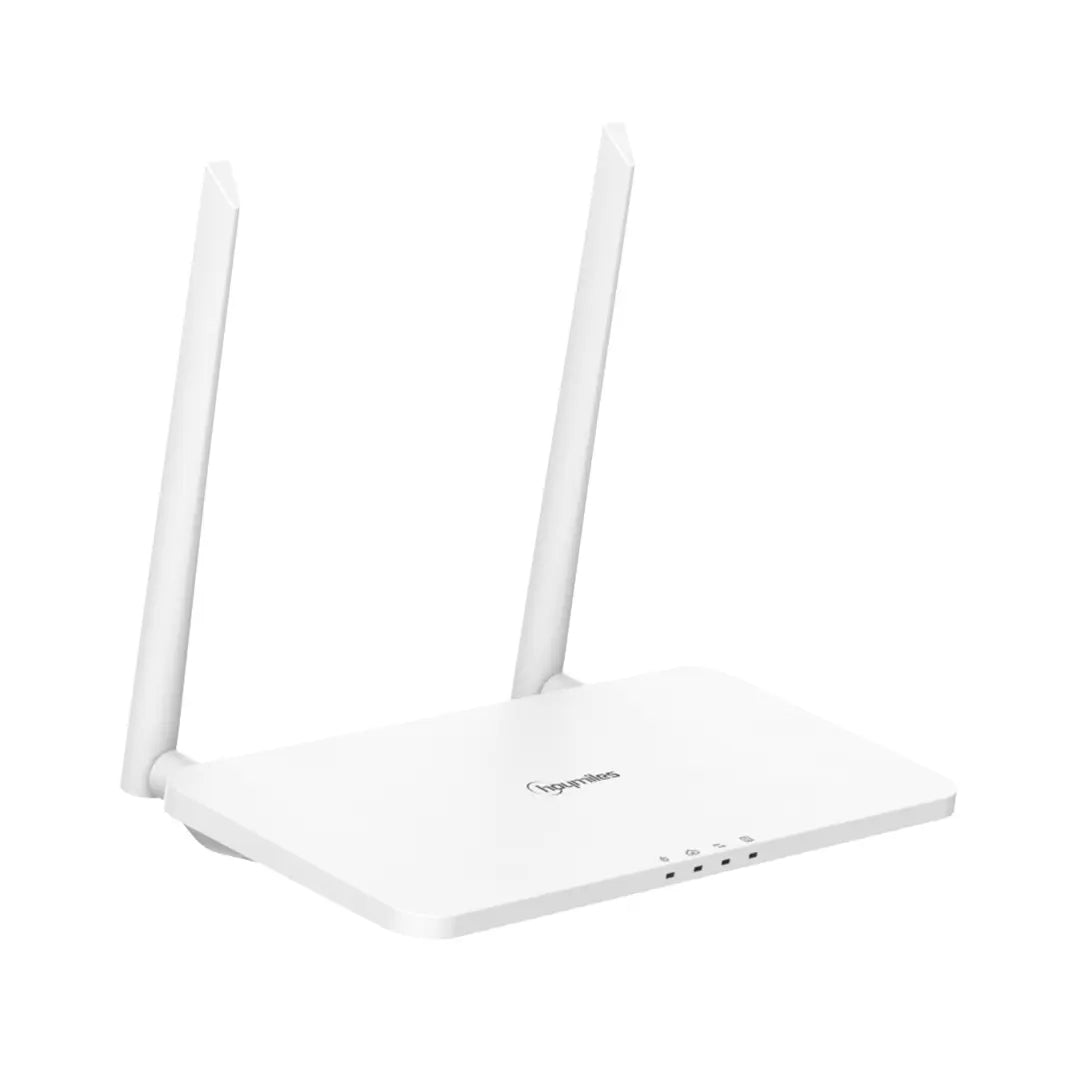
Monitoring & Accessories All TerraVolt inverters and batteries Wi-Fi / 4G / Ethernet — unified dashboard

What you receive

  • Single-line diagram templates — ready for your engineering team to adapt, not build from scratch.
  • Communication protocol documentation — CAN/RS485 pinouts, Modbus register maps, and monitoring integration specs.
  • Load-profile analysis guidance — sizing worksheets and demand-charge modeling inputs for project-scale storage.

All configurations are pre-validated. The compatibility matrix is confirmed in TerraVolt's lab before it appears in your design documentation. No field-trial-and-error required.

Coordinated delivery — your complete package arrives together

In a typical multi-vendor energy storage project, the inverter arrives in week three, the batteries trickle in over weeks four through six, and the monitoring gateway shows up — optimistically — in week seven. TerraVolt collapses five delivery windows into one.

  1. System BOM validation. Your bill of materials is confirmed against inventory before the purchase order is placed.
  2. Timeline alignment. All components are reserved against a single delivery window — no partial shipments unless you request staged delivery.
  3. Logistics routing. One freight coordination, one customs clearance (where applicable), one delivery to your site or warehouse.
  4. Pre-delivery notification. You receive a single delivery manifest listing every component in your package, with serial numbers and pallet counts.
  5. Receipt verification. A checklist is included so your site team can confirm all items against the BOM in under ten minutes.
  • One invoice covers your complete storage package — no chasing five supplier accounts-payable cycles.
  • Staged delivery is available for multi-phase projects with separate construction timelines.

Single delivery window, single BOM, single invoice. Your project schedule isn't held hostage by the slowest component in a multi-supplier chain.

Commissioning support framework — before, during, and after the install window

Commissioning is where multi-vendor integration failures surface — and it's the most expensive moment to find them. TerraVolt provides a structured support framework so your team knows exactly what to verify before anyone signs off.

Phase What TerraVolt provides Format
Pre-commissioning System-specific checklist covering all components in your BOM; pre-energization verification steps PDF checklist + optional remote review
On-site support Technical support availability during the install window; remote diagnostics if commissioning issues arise Phone / video call / remote access
Acceptance testing Single acceptance protocol covering inverter, battery, and monitoring system in one document Unified sign-off document
Post-commissioning System performance baseline captured; monitoring platform configured and verified Dashboard access + performance report

Acceptance checklist — 4 things your team verifies

  1. Inverter commissioning. Grid connection, PV input, battery charge/discharge cycle confirmed.
  2. Battery stack validation. All modules communicating, state-of-charge balanced, temperature sensors operational.
  3. Monitoring connectivity. Gateway online, data flowing to dashboard, remote firmware update capability confirmed.
  4. System acceptance sign-off. One document, one signature — all components verified together.

Fleet monitoring — every system in one dashboard

Multi-vendor projects often leave the operator with three separate monitoring dashboards, three login credentials, and zero unified view of system health. TerraVolt's monitoring platform consolidates your entire fleet into one interface.

Feature What it does How you access it
Real-time system view Live PV production, battery state-of-charge, grid export, and load consumption for every site Web dashboard or mobile app
Fleet-level overview Aggregate view across all projects — filter by site, region, or system type Web dashboard
Alerting & notifications Configurable thresholds for performance deviation, fault detection, and communication loss Email, SMS, or app push
Remote firmware updates Over-the-air updates for inverters, batteries, and monitoring gateways — no site visit required Initiated from dashboard
Performance reports Monthly and annual reports with energy yield, degradation tracking, and revenue verification Auto-generated PDF or CSV export

Connectivity options

  • Wi-Fi — standard for most installations; connects to existing site network.
  • 4G — cellular backup or primary connection for sites without reliable Wi-Fi; SIM included.
  • Ethernet — available for sites with managed network infrastructure.

Project-scale RMA — one process, one contact, minimum downtime

When a component fails on a revenue-generating energy storage project, every hour of downtime has a cost. TerraVolt's RMA process is designed for project-scale deployments where speed and coordination matter more than administrative procedure.

  1. Single escalation contact. You don't diagnose which supplier to call. One contact handles the entire claim regardless of whether the issue is inverter, battery, or monitoring related.
  2. Remote triage. TerraVolt accesses the system monitoring data to perform initial diagnostics before any site visit is scheduled.
  3. RMA authorization. If hardware replacement is required, authorization is issued based on warranty documentation already on file — no re-submission of procurement records needed.
  4. Replacement logistics. Replacement hardware ships within the agreed service-level window. If multiple components are affected, they are coordinated as one shipment.
  5. Post-replacement verification. After the replacement is installed, system performance is confirmed through the monitoring platform before the RMA is closed.
  • Warranty documentation is pre-filed. No searching for serial numbers or purchase dates when a claim is raised.
  • Project-scale prioritization. Revenue-generating projects receive priority handling to minimize downtime.
  • Cross-component coordination. If a battery firmware update is needed alongside a hardware swap, both are handled in one service window.

One escalation contact for the entire system. Single-supplier accountability means no gap between "the inverter company says it's the battery" and "the battery company says it's the BMS."

Product lifecycle management — no surprise discontinuations

In a multi-vendor project, a component reaching end-of-life mid-construction can force a redesign, a re-quote, and a financier conversation nobody wants to have. TerraVolt provides lifecycle visibility so you know what's coming before it affects your project timeline.

Lifecycle stage What TerraVolt provides Typical timeline
Active production Full warranty, technical support, spare parts availability, firmware updates Throughout active production life
End-of-life announcement Formal notification with transition guidance and successor product recommendation Minimum 12 months before last-order date
Last-time buy Final procurement window for projects that require identical hardware matching Typically 3–6 months after EOL announcement
Post-production support Warranty continues to term; spare parts available; monitoring platform remains active Per warranty period (product-specific)
Successor migration Compatibility confirmation between legacy and successor products; migration documentation Available at EOL announcement

Your action plan at each stage

  • During active production: No action required. Your project pipeline is supported by current, fully-warranted hardware.
  • At EOL announcement: Review your project pipeline. If projects are planned beyond the last-time-buy window, TerraVolt provides successor product recommendations with compatibility validation.
  • At last-time buy: Procure hardware for projects with confirmed timelines. TerraVolt coordinates volume availability.
  • Post-production: Warranty and support continue as contracted. Monitoring platform remains operational for your entire installed fleet.

No unexpected discontinuations. Formal EOL announcements with minimum 12-month notice and a documented migration path — so your project pipeline doesn't get blindsided by a component going end-of-life mid-procurement.

THE NEXT PHASE

Your project pipeline starts here.

Tell us what you're building. We'll map the documentation, compatibility, and procurement route — before you commit a single purchase order.