How to Choose Between a Hybrid Inverter and an AC-Coupled Storage Setup
A practical comparison of hybrid inverter and AC-coupled storage architectures to help installers choose the right topology for residential and small-commercial projects.
Article context
What is a hybrid inverter?
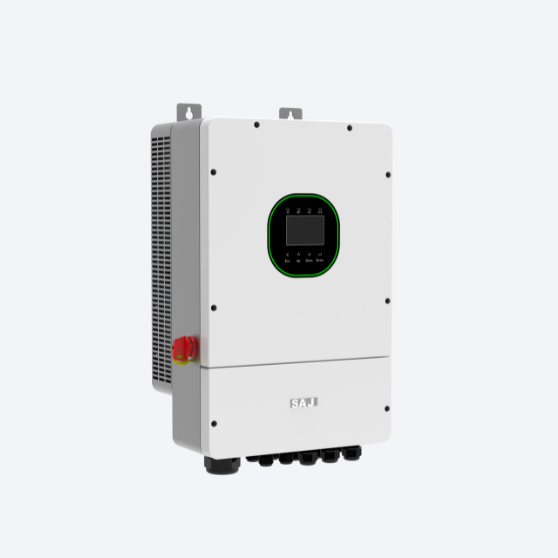
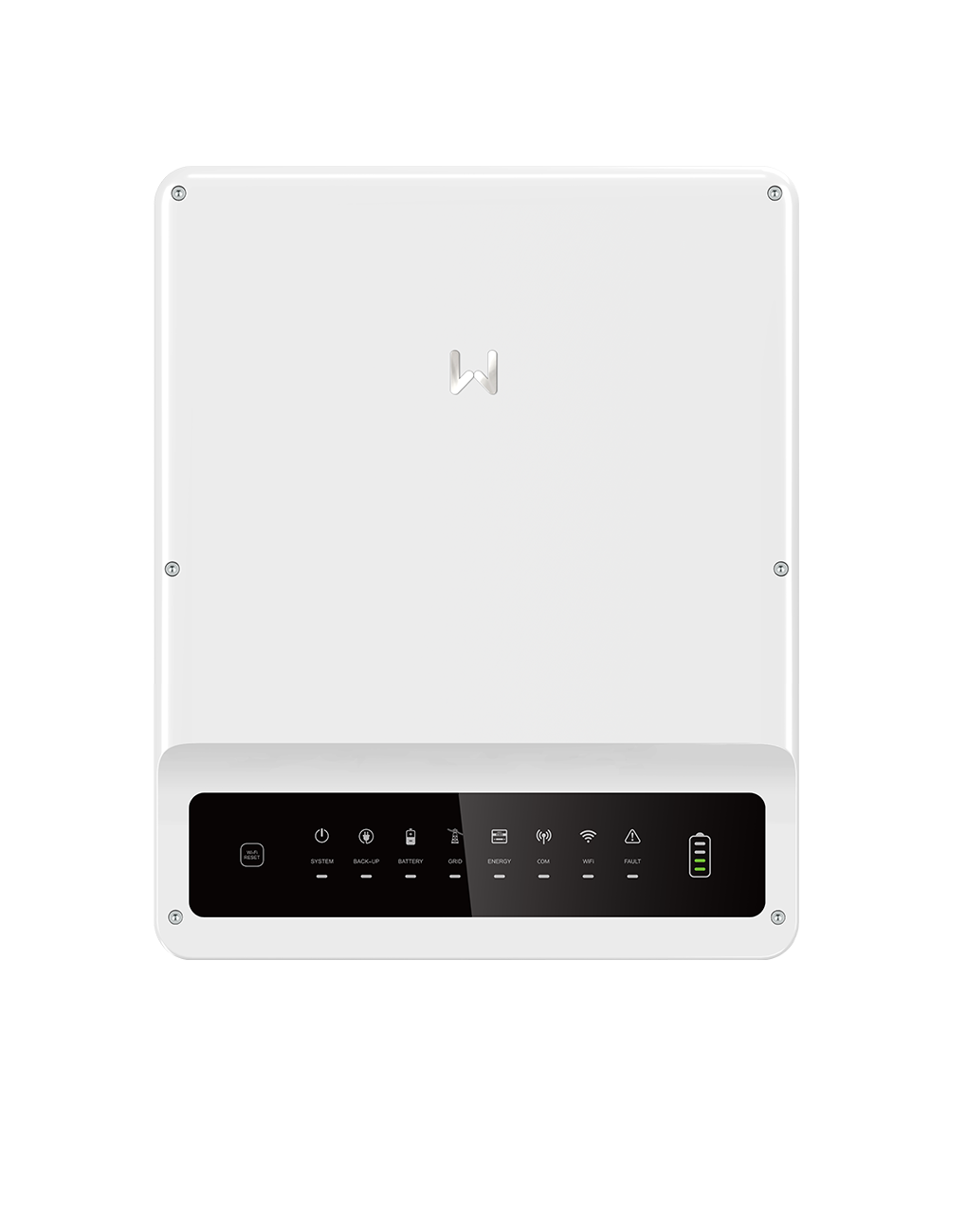
A hybrid inverter combines a solar inverter and a battery inverter in one unit. It manages DC power from solar panels, converts it to AC for your loads, and directs surplus energy into battery storage—all through a single device.
What is an AC-coupled system?
In an AC-coupled setup, solar panels connect to a dedicated solar inverter, and batteries connect to a separate battery inverter. The two inverters communicate through the AC bus. This is the common retrofit path when adding storage to an existing PV installation.
When to choose hybrid
Hybrid inverters shine in new installations. They reduce component count, simplify wiring, and offer higher round-trip efficiency because energy is converted only once between DC and AC. Linker hybrid inverters support seamless UPS switching below 10 ms.
When to choose AC-coupled
AC-coupled makes sense when you already have a working solar inverter and want to add batteries without replacing the existing hardware. The trade-off is slightly lower efficiency and a more complex commissioning process.
What installers should verify
Confirm battery compatibility, maximum charge/discharge rates, grid-code settings, and whether the chosen topology supports backup power during grid outages.
Have load data, site constraints, or product-fit questions related to this topic?
Request system reviewTurn article notes into a clear system path.
Share your project parameters and Linker will help frame the next specification step.