


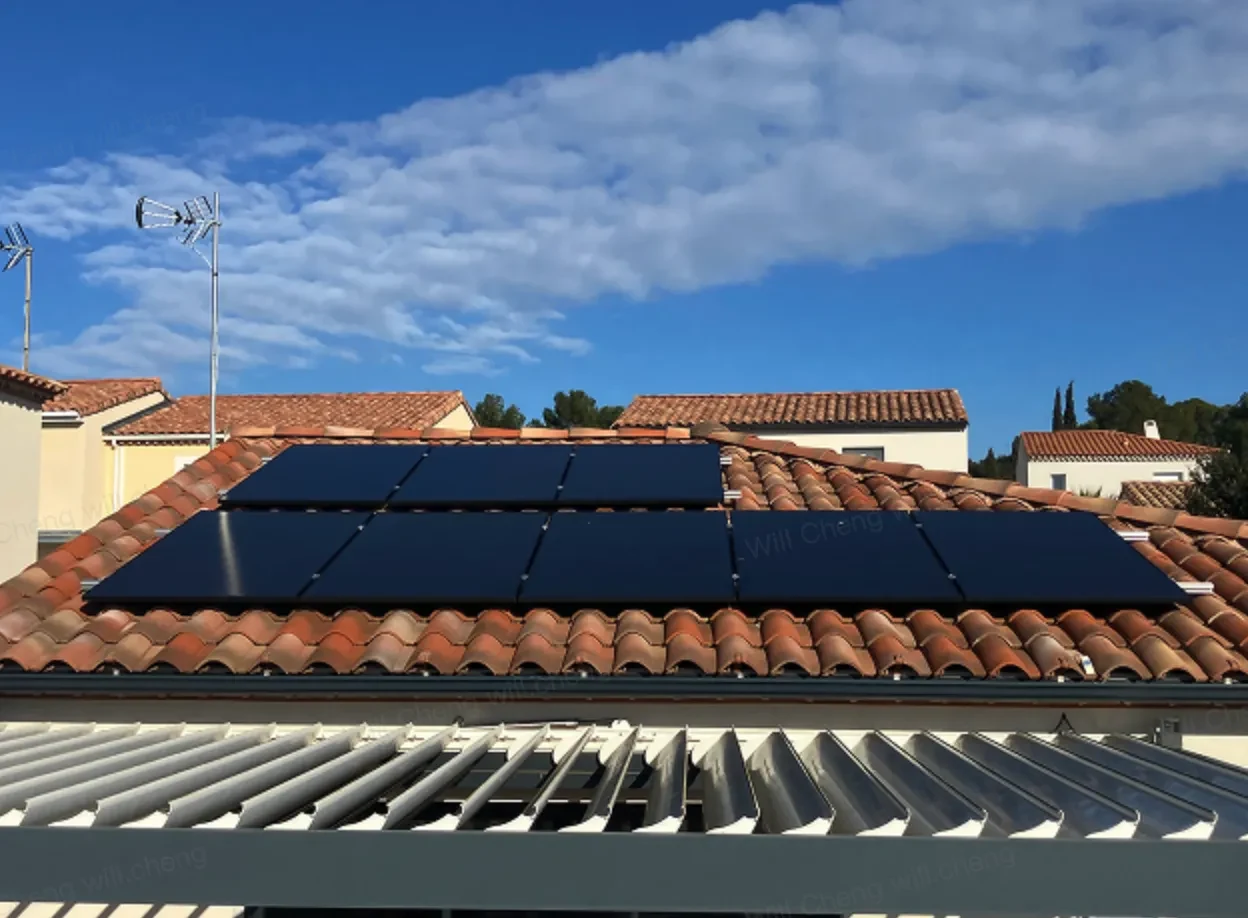
Residential home with rooftop solar
Residential Storage

Residential storage solved by TerraVolt.

Match a solar battery storage system to how the home actually lives. Not a generic kit.

01New build

PV and storage designed together.

02Retrofit

Add storage without guessing what must change.

03Backup scope

Critical loads before whole-home claims.

04Expansion-ready

Start right-sized with a path forward.

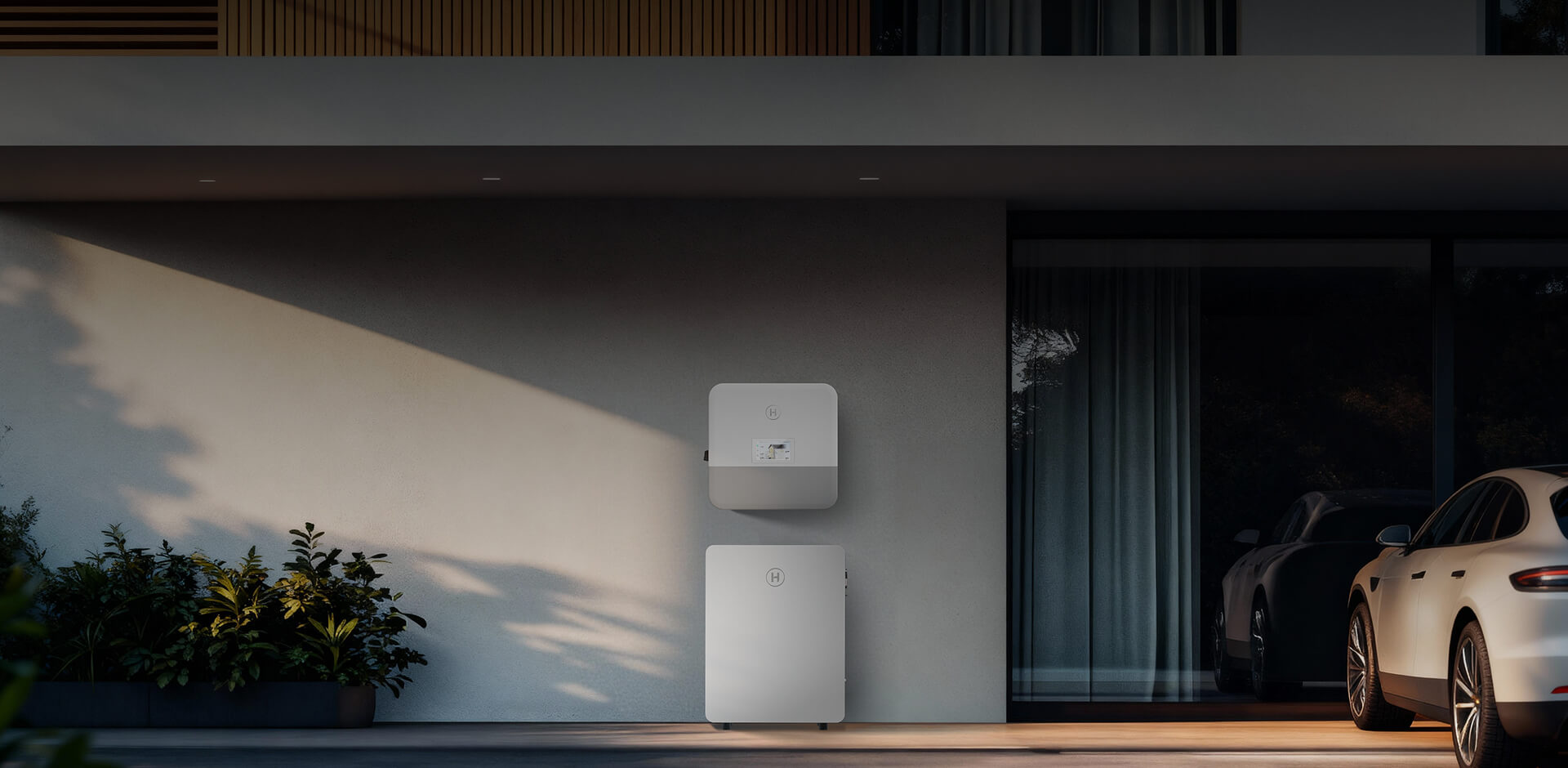
TerraVolt H5 hybrid inverter TerraVolt B5 storage module
Hybrid Inverter Battery Storage System Ready
01 / Project Condition

Where does your project start?

Every residential battery system starts with the project condition. Pick yours below.

01 / New Build

Planning PV and storage together?

One hybrid inverter system, one installer, one warranty. Everything coordinated from day one.

PV + Storage TogetherHybrid Path First
Start new-build plan

02 / Retrofit

Adding storage to existing solar?

The brief starts with what is already on the roof. Compatibility determines what changes and what stays.

Existing PV ReviewCompatibility Check
Start retrofit plan

03 / Backup-Aware

Worried about grid outages?

Name the circuits that must stay on. Home battery backup only works when you define the critical loads first.

Critical Loads FirstDefine Backup Scope
Start backup plan

04 / Expansion-Ready

Expecting future demand growth?

Size the first battery for today. Keep the expansion path visible for EV charging or heat pump demand later.

Start Size TodayGrowth Path for Tomorrow
Start expansion plan
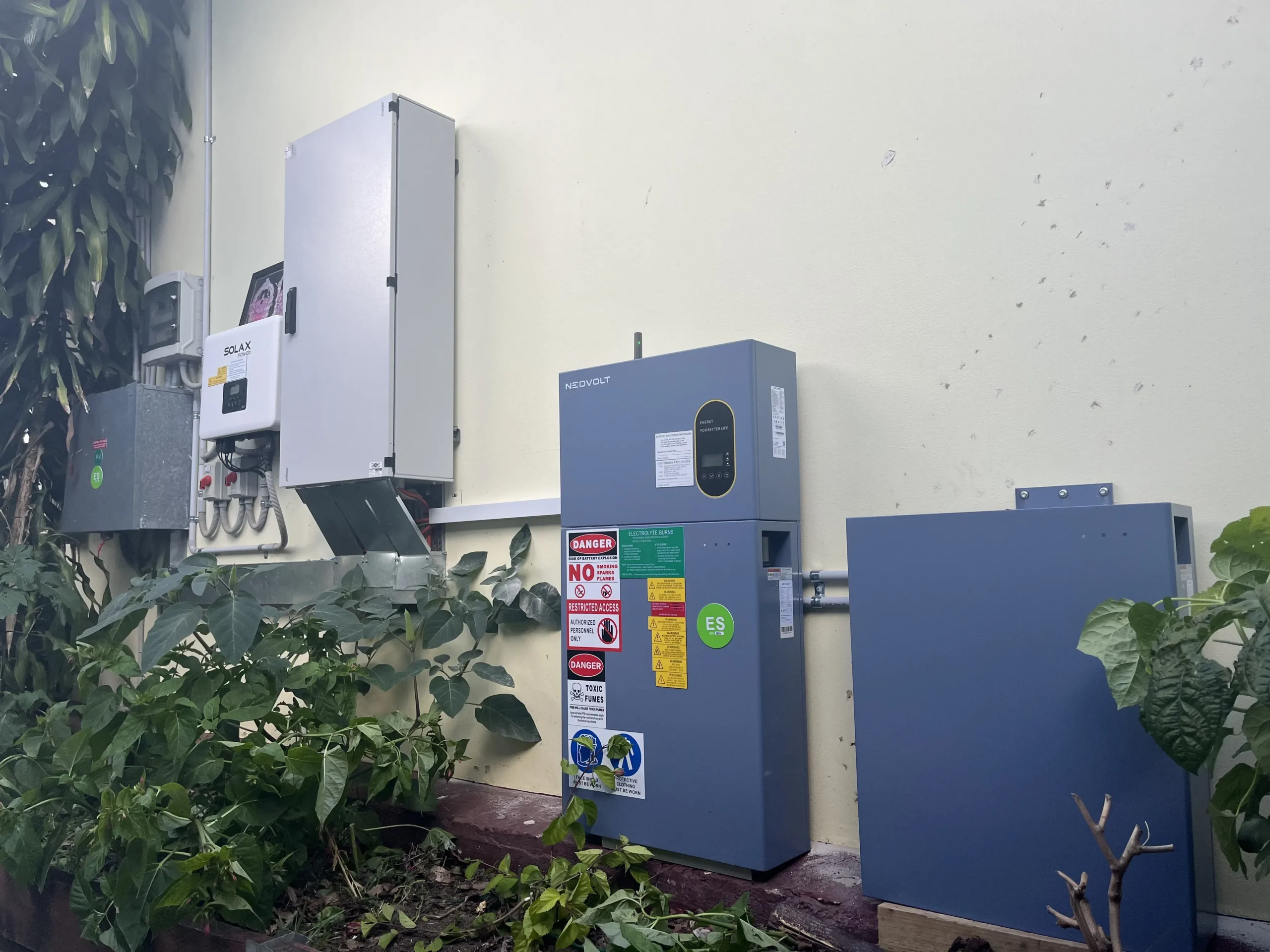
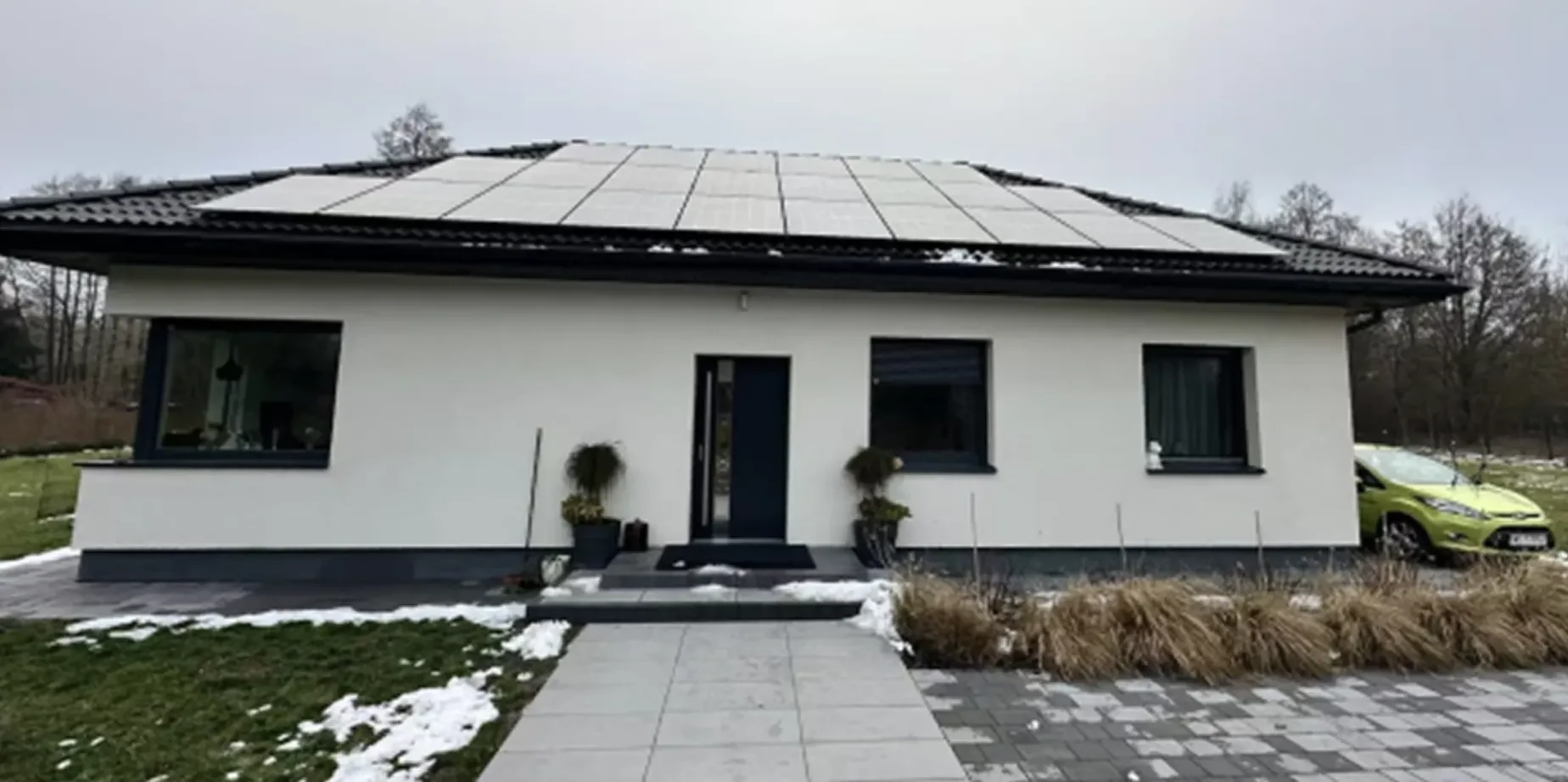
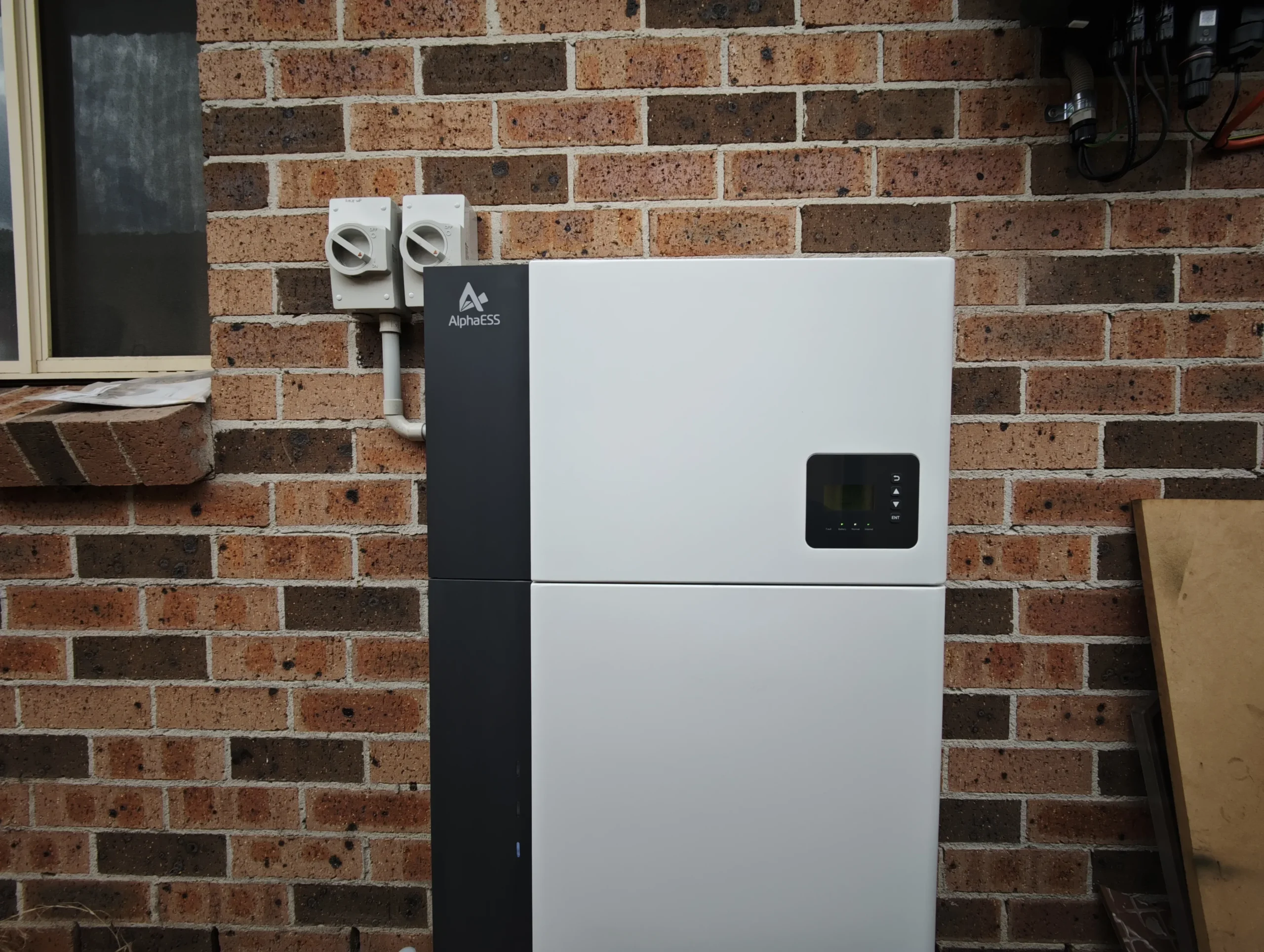
Residential rooftop solar installation for new-build storage planning.
New Build

New Build

PV and storage designed as one system from the start.

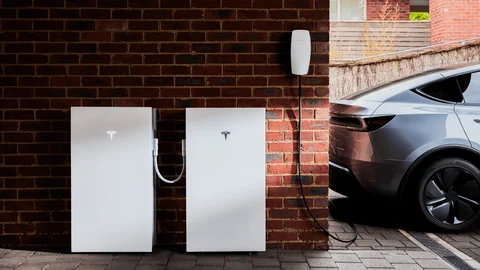
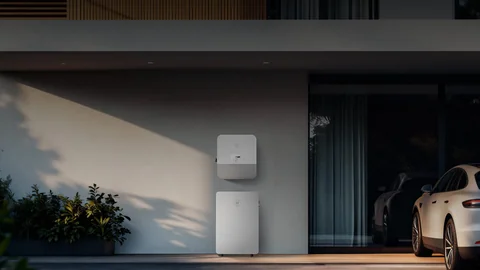
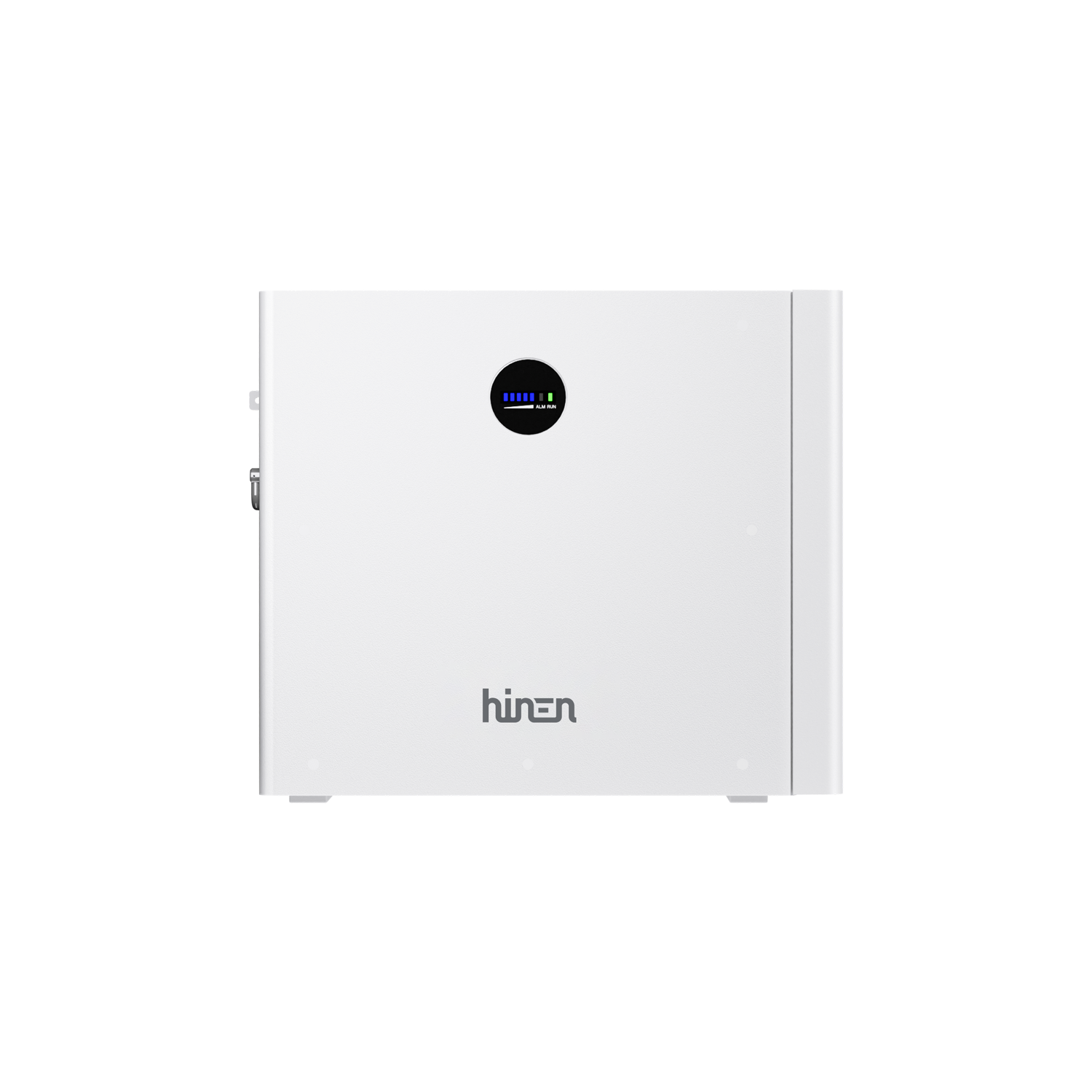
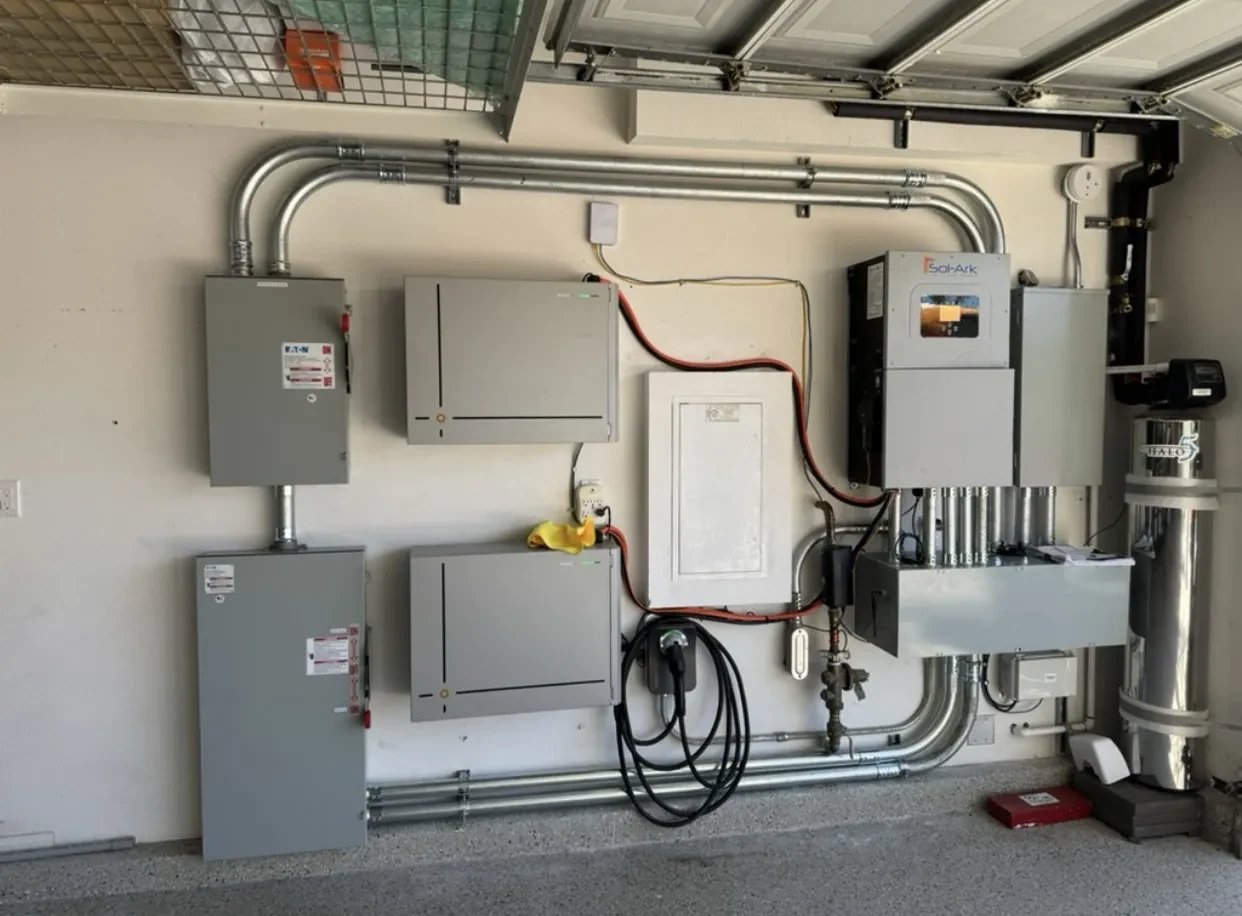
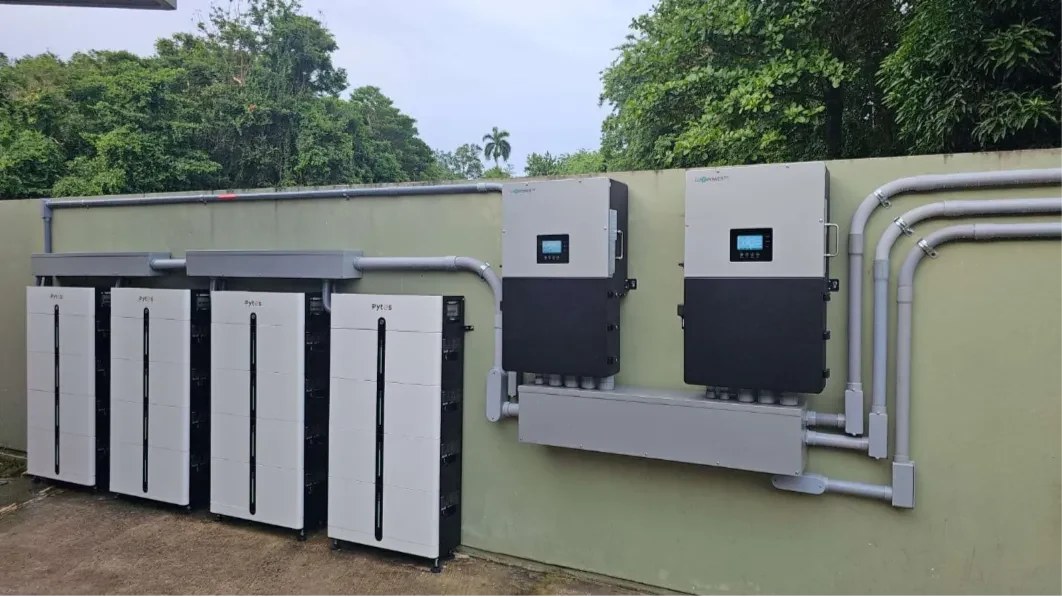
Installed residential battery wall for retrofit storage planning.
Retrofit

Retrofit

Adding storage to existing PV. The brief starts with what stays.

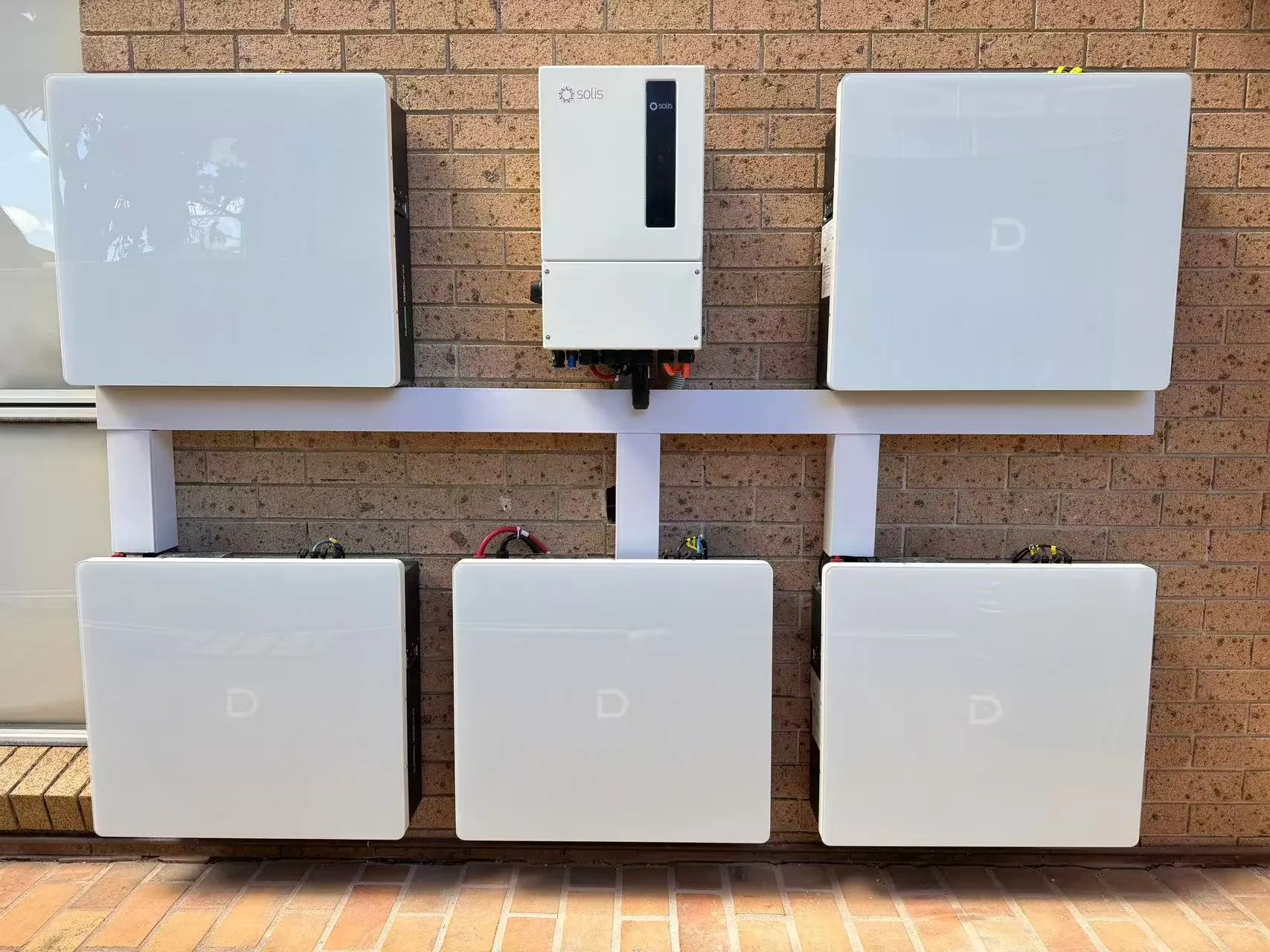
Installed inverter and battery system for backup-aware planning.
Backup-Aware

Backup-Aware

Define critical loads before making sizing promises.

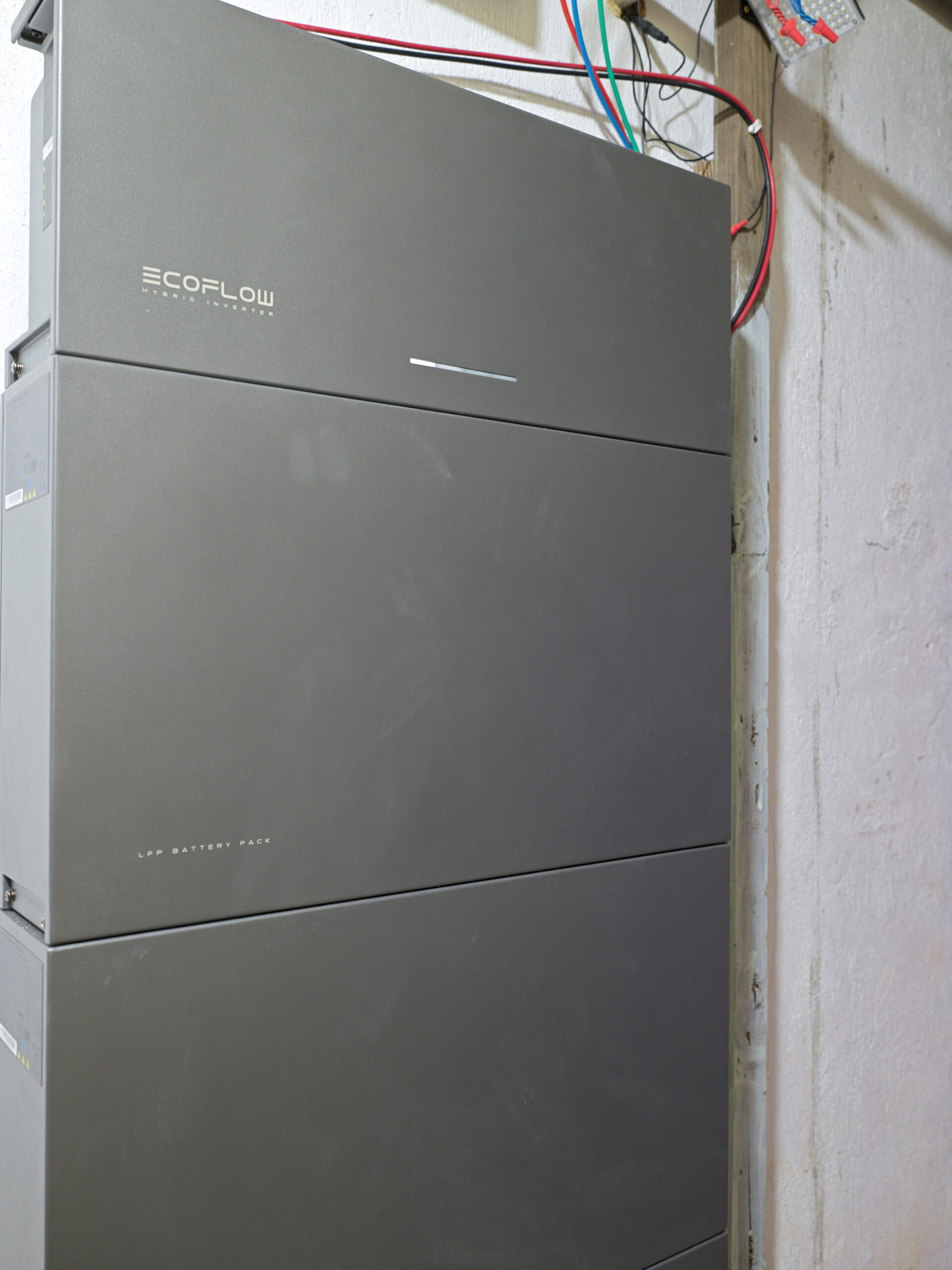
Stacked residential battery system for expansion planning.
Expansion-Ready

Expansion-Ready

A right-sized start with a clear path for future demand.

System note New-build projects let you coordinate inverter sizing, battery capacity, and backup expectations before anything is mounted.
System note Retrofit paths begin with the existing inverter and wiring. Compatibility drives whether storage can be added directly or needs a new inverter path.
System note Backup scope is a load conversation, not a battery conversation. Name the circuits that must stay on before deciding how much capacity that needs.
System note Expansion-ready systems start with the right inverter and mounting infrastructure so additional battery modules connect cleanly later.
02 / System Direction

Three decisions before any hardware.

Before you compare hybrid inverter systems or battery specs, lock these three calls.

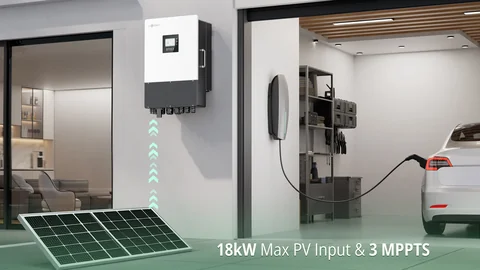
Hybrid inverter system
Coupling Path
Coupling Path

The coupling path decides the rest.

A new build with PV + storage wants a hybrid path from day one. A retrofit starts with what the existing PV can carry. The battery layer only makes sense once this question is locked.

  • PV + storage together? The hybrid path keeps the brief coordinated.
  • Retrofit? Start from existing PV compatibility, not a default replacement.
  • Next route: Review the inverter family after the coupling call.
Start a coupling brief
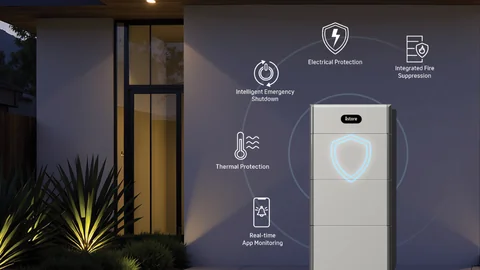
Integrated home storage system
Backup Scope
Backup Scope

Backup is a load conversation.

What stays on when the grid goes down? Name the critical circuits before making sizing promises. Whole-home is a promise. Critical-load is a plan.

  • Critical loads first. Whole-home is a separate conversation.
  • Load logic in the first meeting means fewer change orders later.
  • Next route: Clarify backup expectations in the contact brief.
Start a backup brief
Home energy storage system
Capacity Growth
Capacity Growth

Start right-sized. Keep the growth path visible.

Overspec costs upfront. Undersizing costs later. Match the first install to the current load and document the growth path for EV, heat pump, or whatever is next.

  • Size the first battery for today's demand and PV behavior.
  • Future EV or heat pump? Name it now, even if install is later.
  • Next route: Choose a battery family with a growth path, not a dead end.
Start a growth brief
03 / Hardware Path

Four hardware paths. One fits your project.

Each family carries a different role in a home energy storage system. Match your project condition to the right path.

Hybrid inverter family
Family 01

Hybrid Inverters

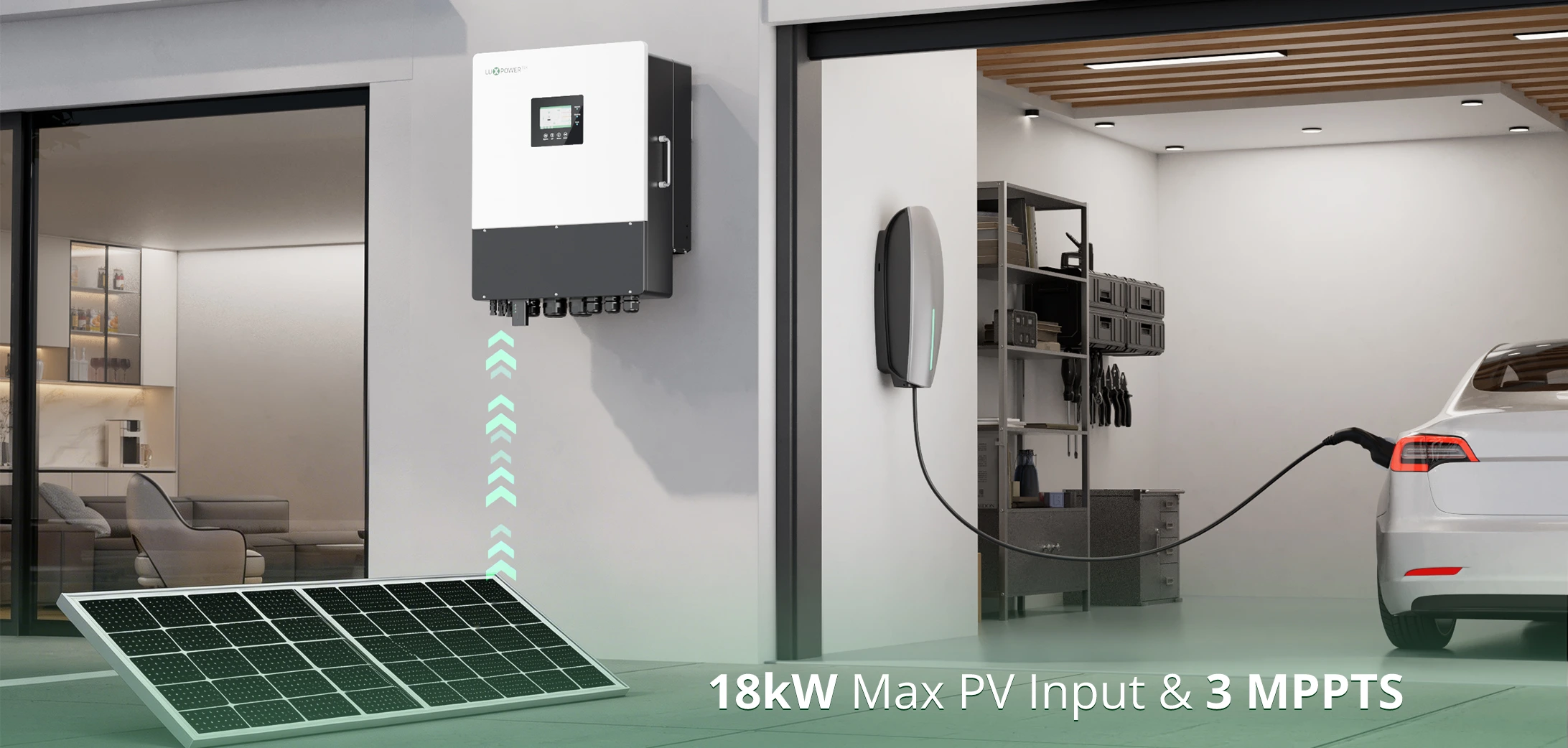
The decision center for PV, battery storage, and household power. One coordinated system from PV to backup.

  • IP66 Indoor/Outdoor
  • Hybrid Control
  • PV + Storage Ready

Fits when: PV and battery control should be designed together.

Browse hybrid inverters
Battery storage family
Family 02

Battery Storage

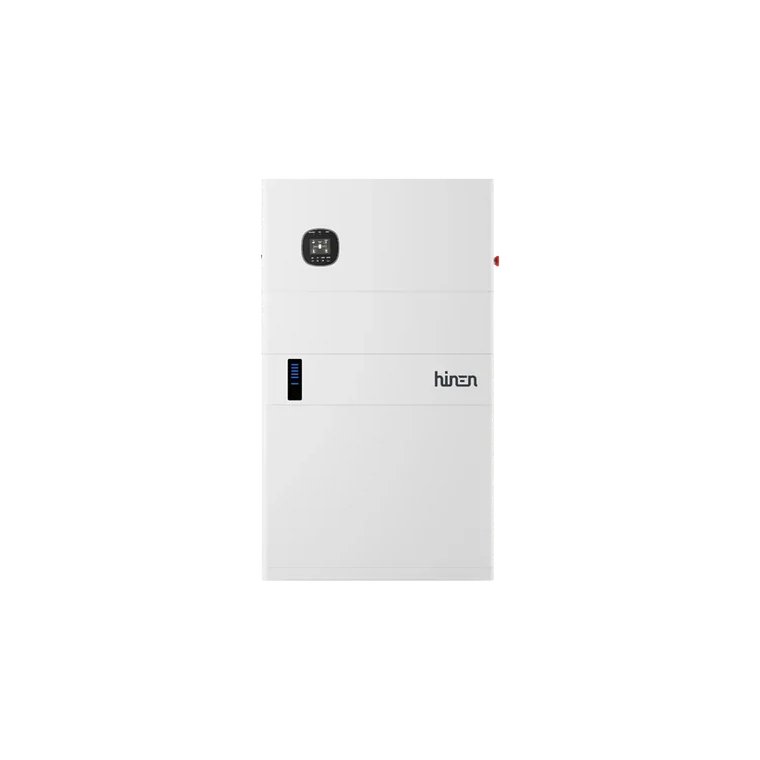
Hold daytime surplus for evening use. High-voltage stackable storage keeps backup capacity visible from the start.

  • High-Voltage Stack
  • Evening Surplus
  • Scalable Growth

Fits when: the main job is capacity, backup reserve, or staged expansion.

Browse battery systems
All-in-one ESS family
Family 03

All-in-One ESS

Inverter, battery storage, and system management in one enclosure. One supplier, one install, one support path.

  • Inverter + Battery
  • One Install
  • Single Supplier

Fits when: the project wants one compact hardware path.

Browse all-in-one ESS
Monitoring gateway
Family 04

Monitoring & Accessories

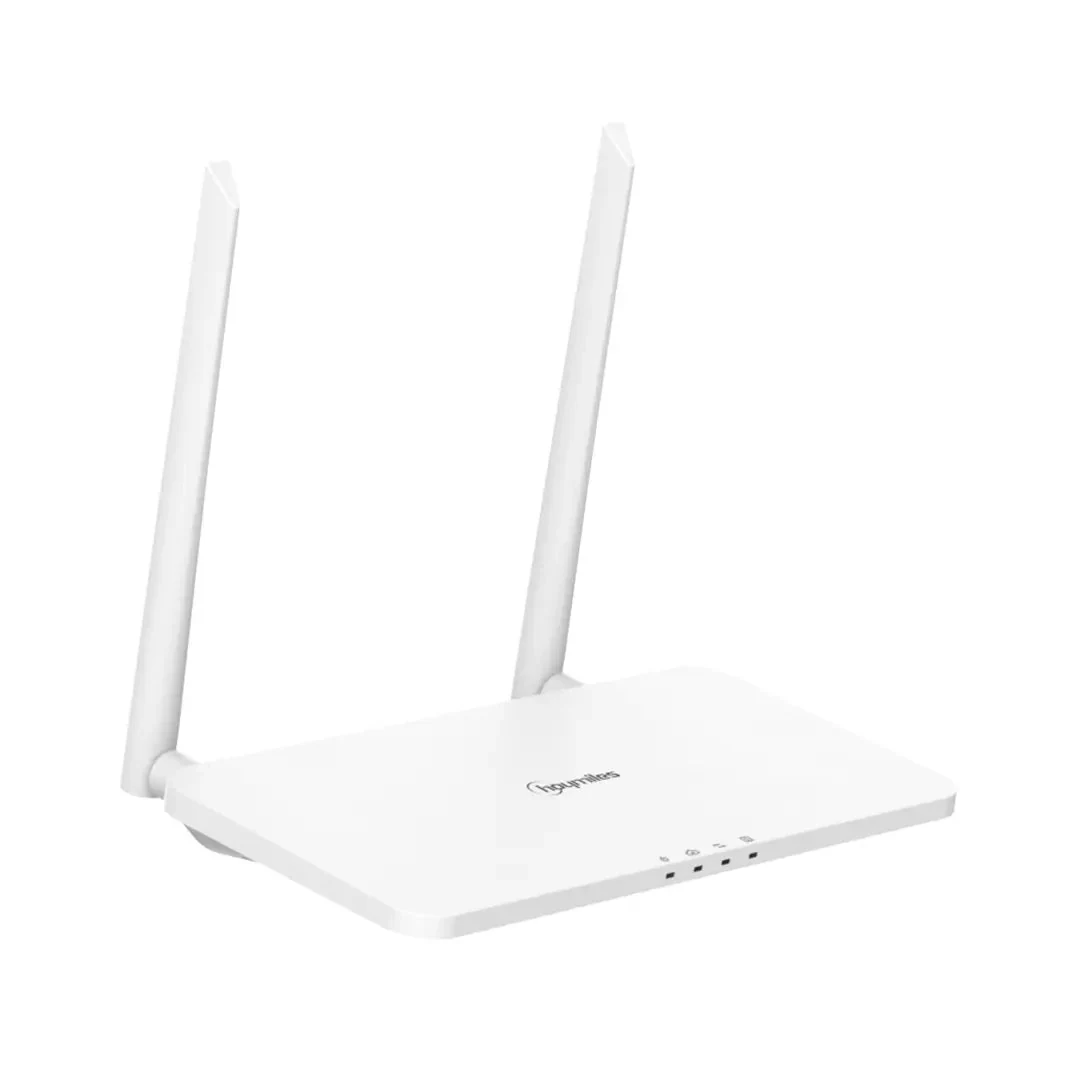
Real-time visibility across generation, storage, and consumption. Shared data for the homeowner and the support team.

  • Real-Time Data
  • Remote Access
  • Install Support

Fits when: visibility, service handoff, and operating data matter.

Browse monitoring range

1 / 4

04 / Field Proof

Built for real homes. Measured by real loads.

Use these examples as proof cues for new-build, retrofit, backup, and monitoring-led conversations.

Residential hybrid storage system
Residential VillaHybrid Inverter · 10 kWh · Full Home Backup

Hanoi Villa — Residential Hybrid Storage

Hanoi, Vietnam

Key Proof

  • 8 kW hybrid inverter paired with 10 kWh LiFePO4 battery stack. One coordinated system from PV to backup.
  • Daily solar self-consumption above 85%. Automatic grid-outage failover without generator dispatch.
  • Remote-configuration commissioning. No site visit required for system handover.

Remote commissioning meant the local partner handled the physical install and TerraVolt dialed in the storage logic from a different time zone.

Application Reference
Hybrid Inverter + Battery Backup
View Project Evidence
Condominium solar retrofit
Urban Multi-FamilyMulti-Inverter · 65% Cost Cut · Shared Monitoring

Brazilian Condominium — Solar Energy Retrofit

Sao Paulo, Brazil

Key Proof

  • Multi-unit condominium solar retrofit. Common-area electricity costs down 65% with no individual unit modifications.
  • Multiple hybrid inverters coordinated across residential zones under a single monitoring dashboard.
  • Shared roof allocation. Shared savings. No per-apartment hardware needed.

Common-area electricity costs dropped without touching a single apartment wall. That made the board decision much easier.

Application Reference
Multi-Inverter Residential Retrofit
View Project Evidence
Island microgrid
Off-Grid IslandBattery Backup · 80% Fuel Cut · Marine Rated

Island Resort — Off-Grid Microgrid Solution

Perhentian Island, Malaysia

Key Proof

  • Solar + battery microgrid replacing diesel generators. Fuel costs reduced by 80%.
  • 24/7 off-grid power without generator noise. Silent operation in a tropical marine environment.
  • Battery storage validated in high-humidity, salt-exposed conditions with reliable overnight coverage.

No diesel. No noise. No grid. The battery carries the resort through the night and the guests never notice the switch.

Application Reference
Island Microgrid with Battery Backup
View Project Evidence
Cold climate PV + storage
Cold Climate Validated-30°C · Full Capacity · Remote Monitor

Northern Europe — Cold Climate PV + Storage

Northern Europe

Key Proof

  • Solar-plus-storage operating reliably through -30°C winter conditions. Full capacity retention at low temperatures.
  • Continuous remote monitoring across extreme temperature swings. No winter site visits required.
  • Performance data validates real-world cold-climate reliability without relying on lab specs alone.

Through winter conditions below -25°C, the system held rated capacity. Remote monitoring meant no technician needed to drive into the snow.

Application Reference
PV + Storage with Remote Monitoring
View Project Evidence

Swipe to explore projects

05 / Technical Reference

Real specifications. No marketing filler.

Use the table to compare the product family before asking for the exact project-specific drawing set.

H5 Hybrid Inverter front viewH5 Hybrid Inverter sideH5 with B5 stack

H5 Hybrid Inverter

PV + storage control · new build or retrofit · IP66 outdoor · single or three phase

Power Rating 3.6 – 15 kW
Phase Single Phase / Three Phase
Battery Compatibility HV & LV LiFePO4
PV Input Dual MPPT, up to 600 V
Communication RS485 / CAN / Wi-Fi
Protection Rating IP66
Mounting Wall / Floor
Warranty 10 Years
B5 Battery StorageB5 with H5B5 stack

B5 Battery Storage

High-voltage stackable · 5–20 kWh per module · evening surplus · backup ready

Cell Chemistry LiFePO4 (Lithium Iron Phosphate)
Capacity per Module 5 – 20 kWh
Max Stack Capacity Up to 80 kWh (4× modules)
Voltage Class High Voltage (HV)
Communication RS485 / CAN
Protection Rating IP65
Mounting Floor Stack / Wall Bracket
Warranty 10 Years
All-in-One ESSESS with monitoring

All-in-One ESS

Inverter + battery in one enclosure · one SKU · one install · one support path

System Power 8 – 16 kW
Integrated Capacity 10 – 30 kWh
Cell Chemistry Integrated LiFePO4
Phase 230 V Single / 400 V Three Phase
Communication Wi-Fi + Ethernet
Protection Rating IP65
Mounting Wall / Floor
Warranty 10 Years
06 / Questions Before Handoff

Common residential storage questions.

Bring this to the first call

  • New build or retrofit?
  • Backup needed, and for which loads?
  • Expected system scale (kW / kWh)
  • Monitoring and remote access required?
Send a storage question

Planning & Compatibility 5

PV and storage planned together? New-build path. Adding storage to existing solar? Retrofit path. The compatibility check decides what changes.

It depends on the existing inverter and wiring. An AC-coupled path may work. Not every setup is compatible. A retrofit planning review answers this before any hardware decision.

Start with 10–15 kWh for evening self-consumption and basic backup. The right number comes from your consumption profile, not a generic average.

Backup-ready means critical loads first. Refrigeration, lighting, communications. Name those circuits, then decide if wider coverage is needed.

Size for today. Document the future. If EV charging or a heat pump is coming, the expansion path should be visible without forcing a larger first install.

Product & Technical 5

A hybrid inverter separates PV and battery control. An all-in-one ESS integrates both in one enclosure. Flexibility versus simplicity — your call.

TerraVolt uses LiFePO4 chemistry: better thermal stability, longer cycle life, and higher safety than NMC alternatives. Important when the battery lives inside the home.

Each module carries its own 10-year warranty. Stacking modules later does not reset coverage on earlier units.

A Wi-Fi or Ethernet gateway plus the TerraVolt platform gives you real-time PV, battery SOC, consumption, and grid data in one dashboard. Include monitoring in the brief from day one.

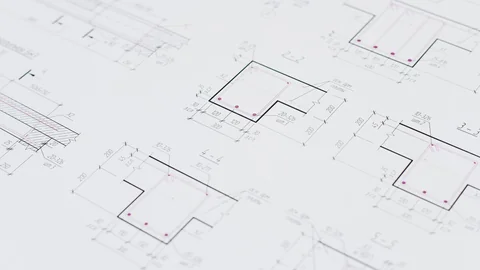
System single-line diagram, component list, backup load schedule, monitoring notes, and installation compatibility summary. Enough to start the installer conversation.

THE NEXT STEP

Tell us about your project. Get a storage path that fits.

You will get a home energy storage recommendation matched to your project condition, not a generic quote.