


Commercial rooftop solar installation on a business facility
Commercial Storage

Commercial storage planned around the site load.

Every commercial site presents its own load profile, grid constraint, and operating model. TerraVolt matches the three-phase hardware path to the project condition before any product selection.

01Production site

Load curve first, hardware second.

02Grid-limited site

Add capacity without waiting for a new connection.

03Fleet charging

Buffer charging demand and tariff peaks.

04Operating model

Peak shaving, self-consumption, backup, or all three.

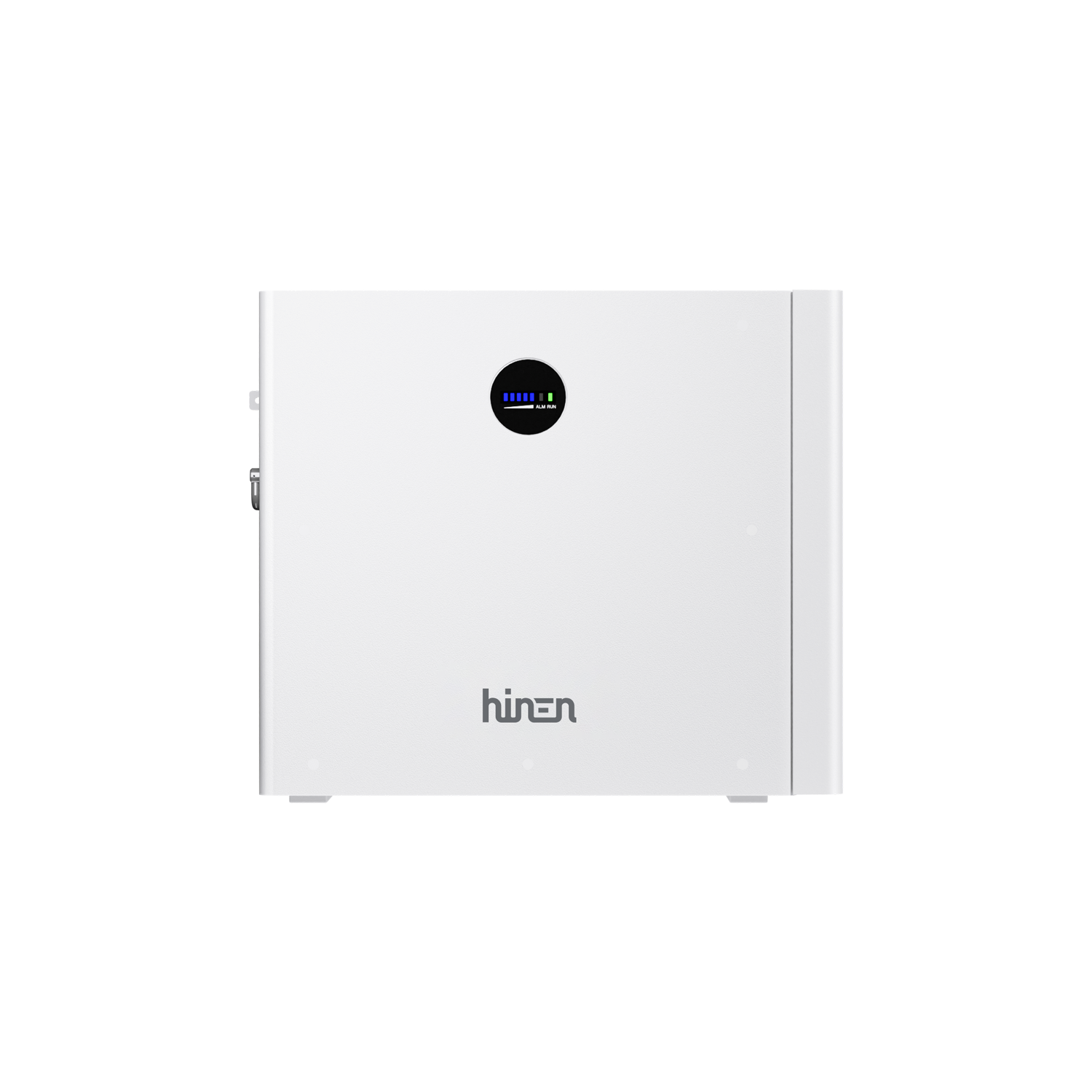
TerraVolt H12-3P hybrid inverter TerraVolt B16 storage module
Three-Phase LFP Storage EMS Ready
01 / Site Profiles

Where does the commercial project start?

A production site and a logistics center do not share the same load profile. Identify the operating condition before picking hardware.

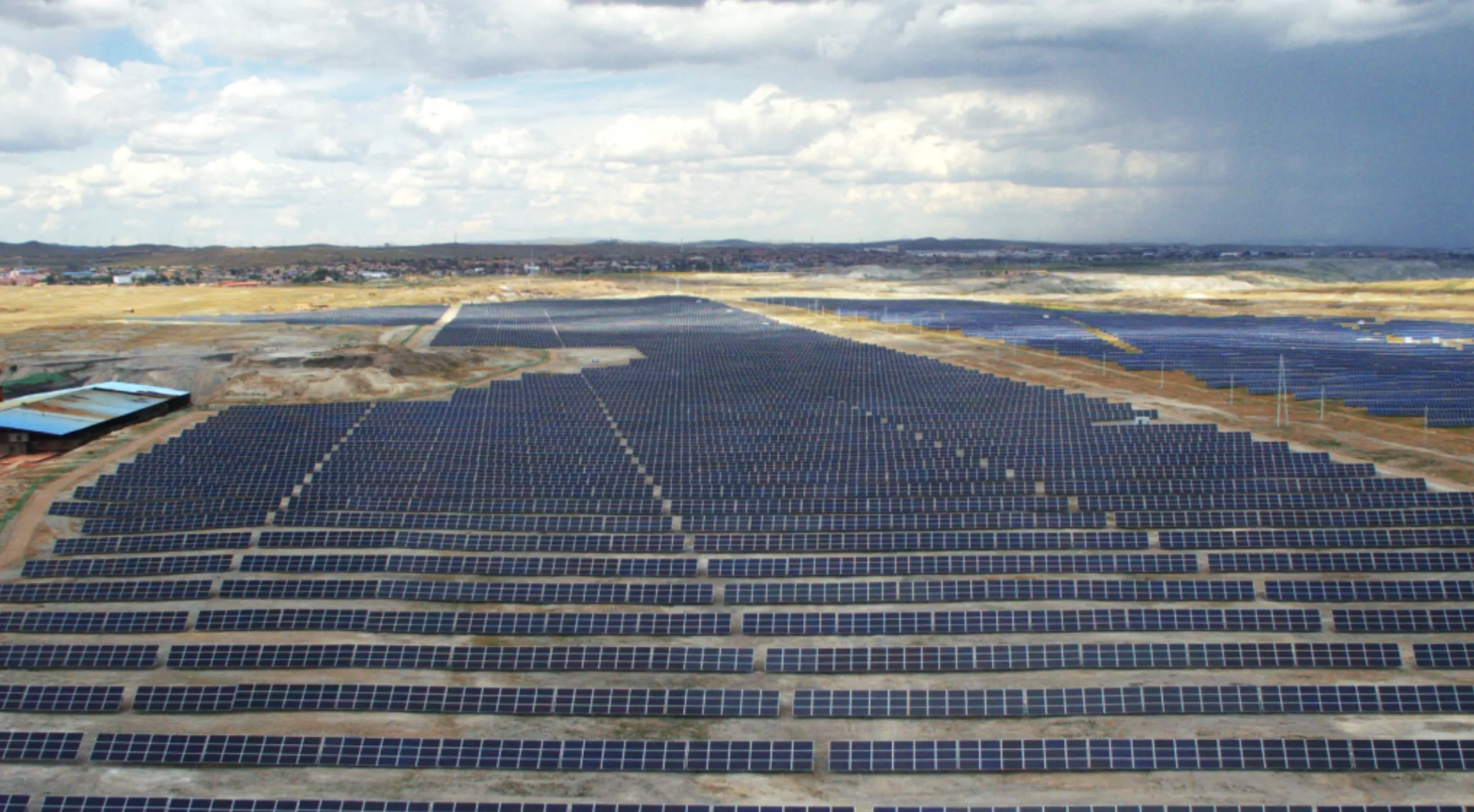
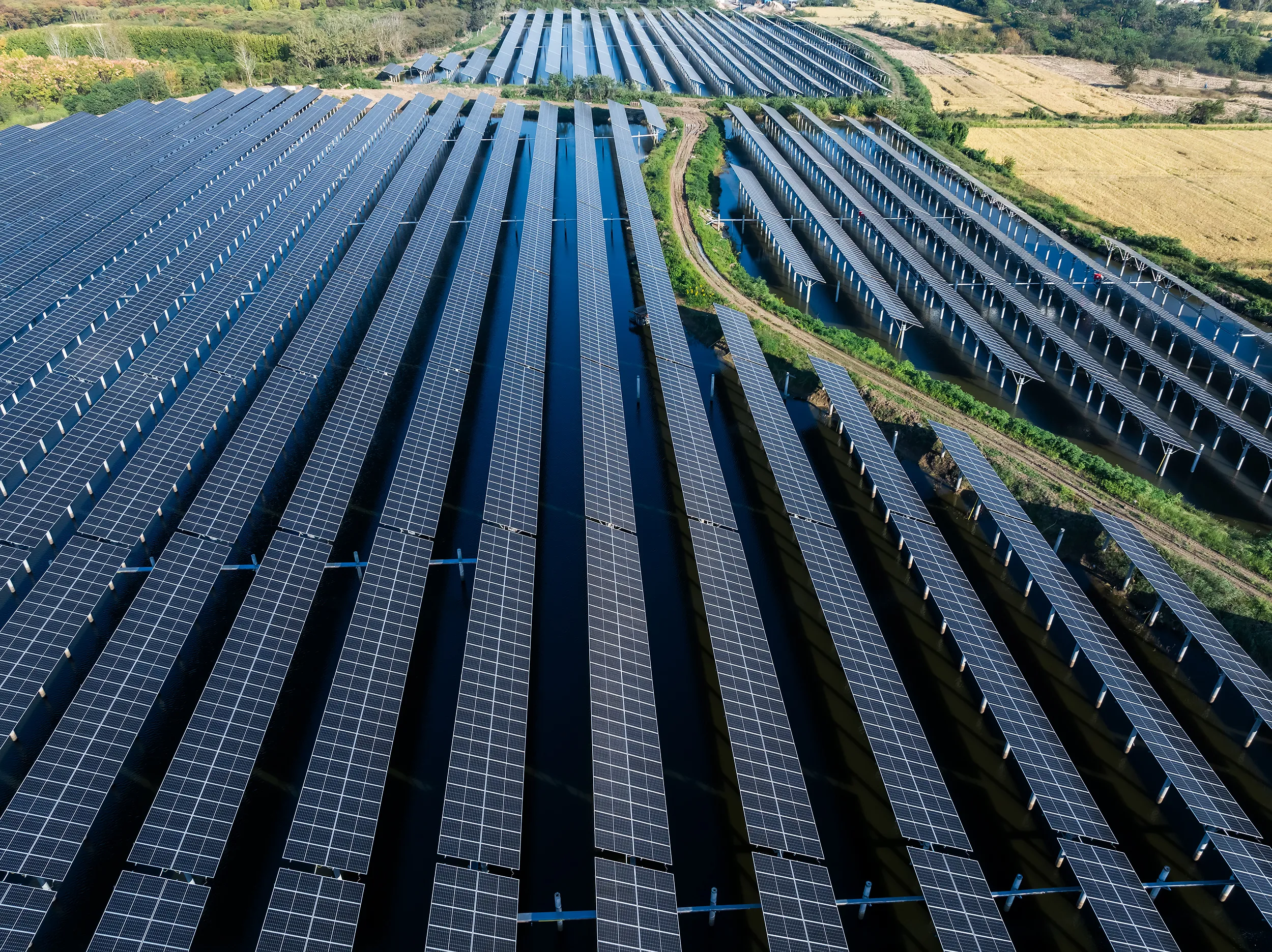
Commercial solar field supporting production-site storage planning
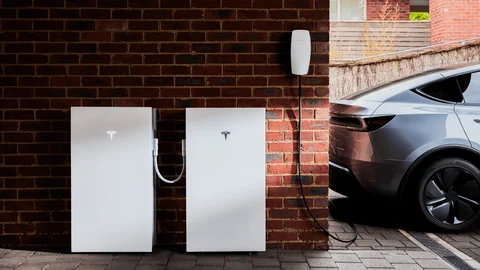
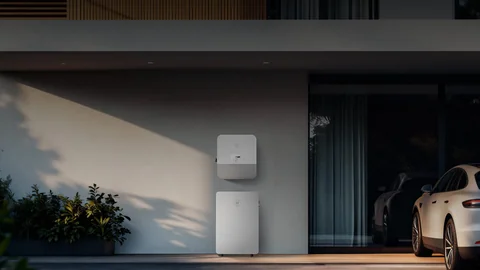
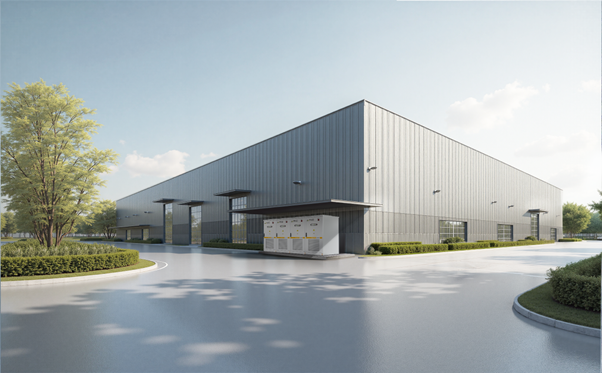
Commercial building with exterior storage equipment illustrating a grid-constrained site
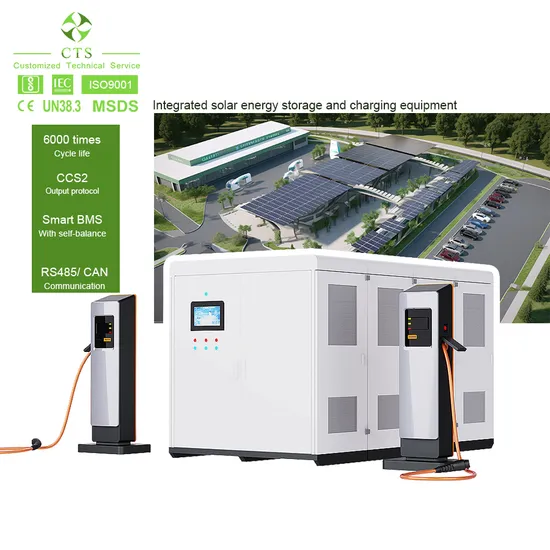
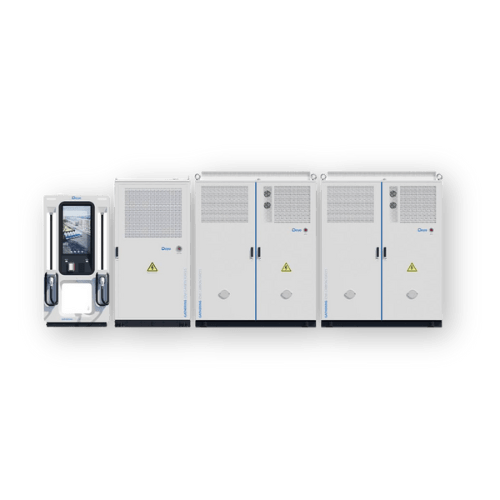
EV charging and battery storage station for fleet and high-demand sites
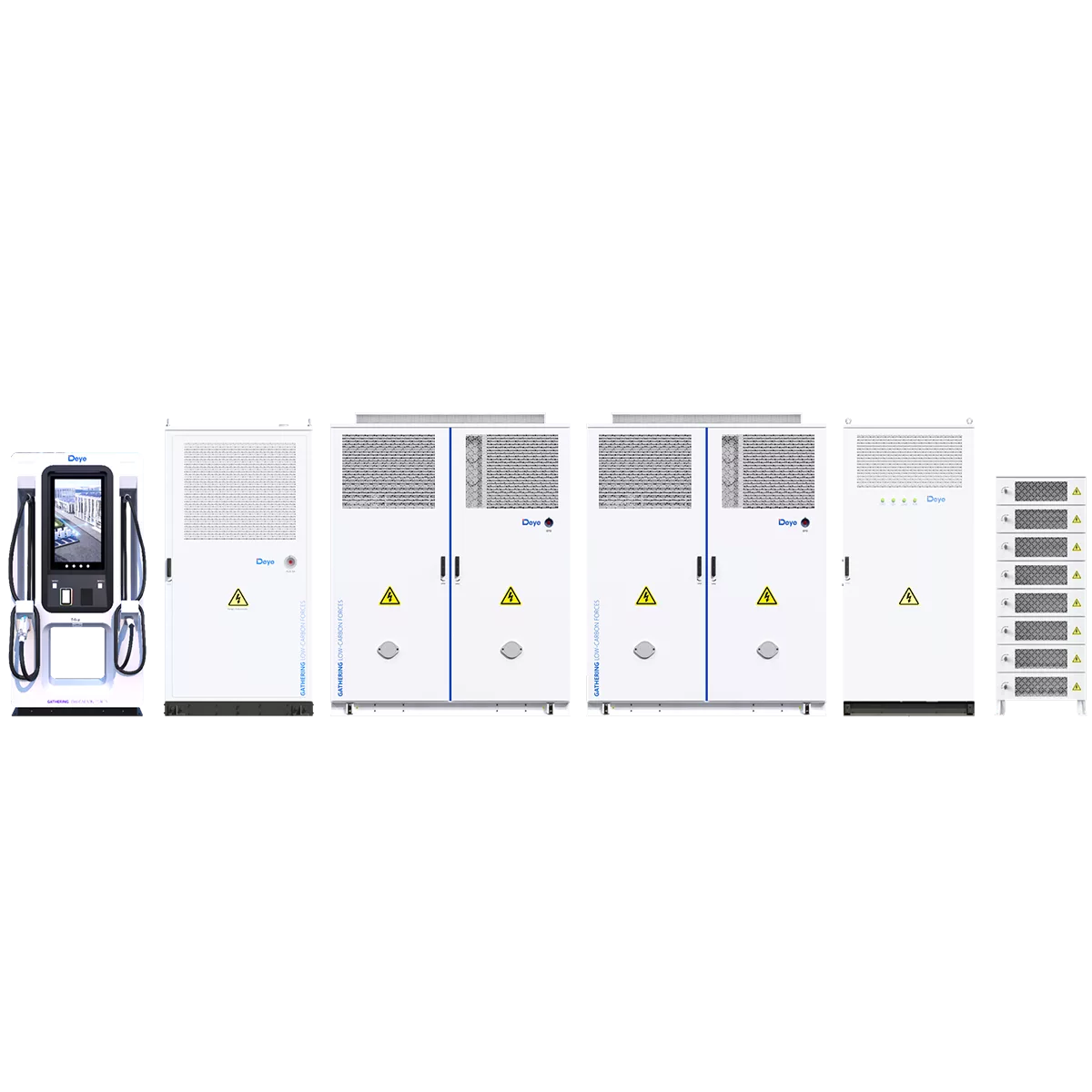
Commercial PV BESS EV charging system lineup
01 / Production

High-demand sites need storage, not a bigger connection.

Peak shaving reduces demand charges. PV self-consumption improves cost per kWh. UPS-grade backup protects revenue-critical processes on the production floor.

Explore three-phase inverters
02 / Grid Constraint

Some sites are ready to scale except for the grid connection.

A battery buffer can expand site capacity without connection work. TerraVolt maps the load profile and the grid limit before selecting inverter size.

Explore battery storage
03 / Fleet & Charging

A charging hub does not have to wait for grid expansion.

Commercial battery storage provides demand buffering for EV charging overnight or during fleet turnover. Solar generation charges the battery. The battery charges the fleet.

Explore all-in-one ESS
04 / System Path

TerraVolt three-phase hardware built for commercial loads.

Hybrid inverters from 8 kW to 20 kW three-phase. High-capacity LFP battery storage from 16 kWh to 20 kWh rack. All-in-one C&I ESS. Monitoring and EMS unified across the site.

Get your system path
02 / System Direction

Three decisions before any hardware.

Before you compare hybrid inverter systems or battery specs, lock these three calls.

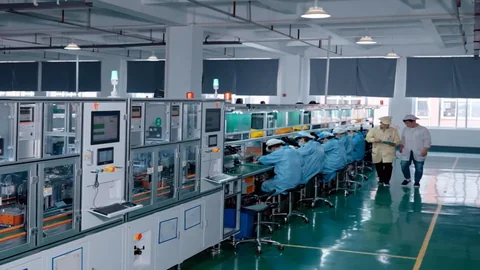
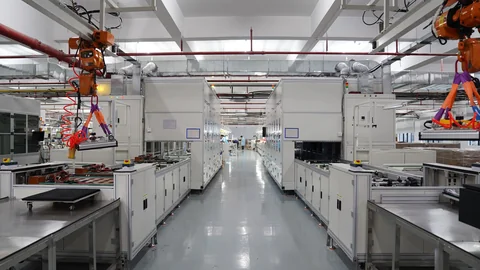
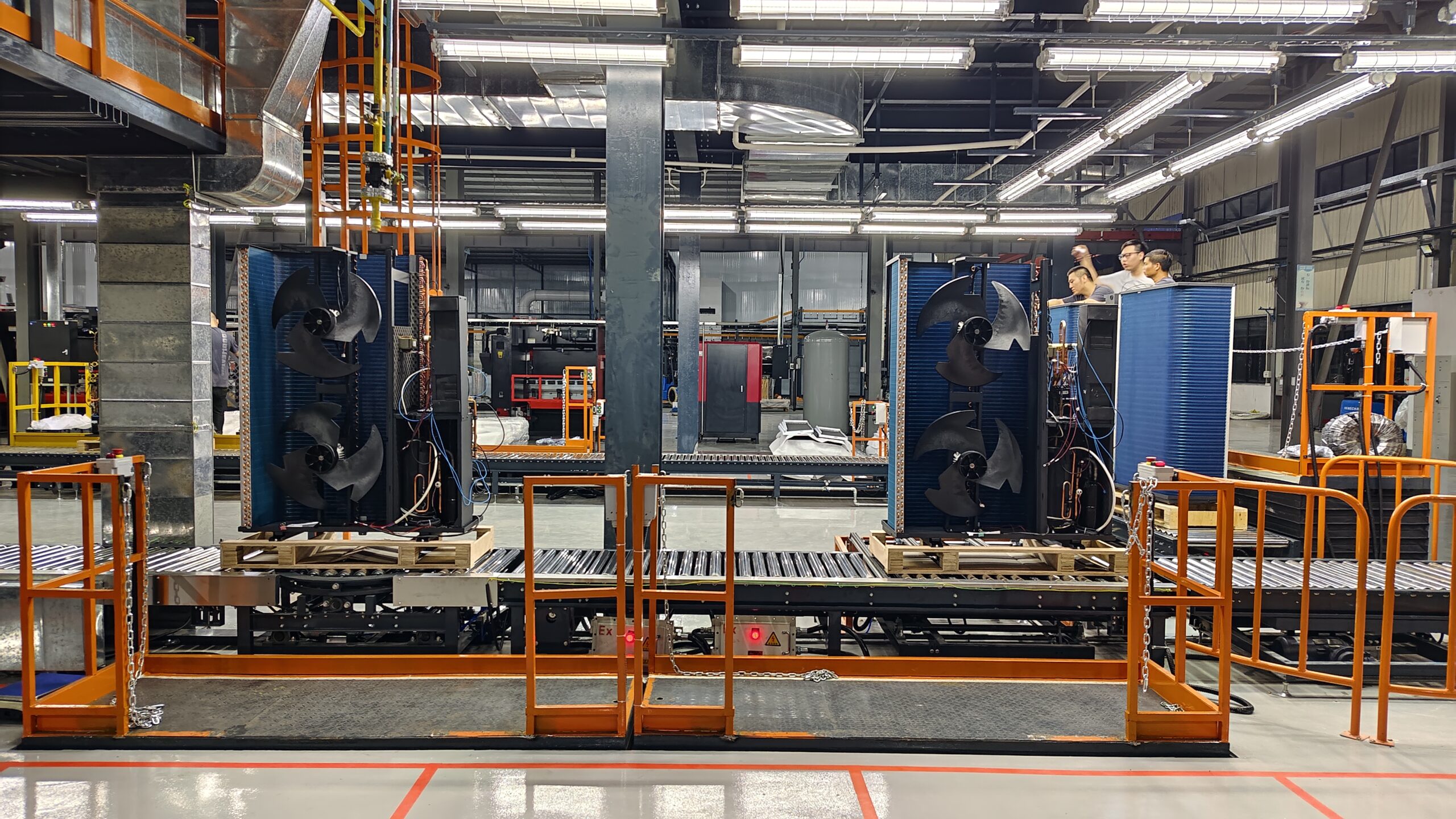
Commercial production floor used to illustrate load-profile planning
Load Profile
Load Profile

The load curve decides the hardware path.

A production line, a warehouse, and an office park do not share the same demand pattern. TerraVolt starts with interval load data, peak windows, and critical loads before sizing inverter power or battery capacity.

  • Base load, peak spikes, and operating hours shape the first storage brief.
  • PV yield only matters once the site load profile is clear.
  • Next route: send 12-month interval data with the first sizing request.
Start a load-profile brief
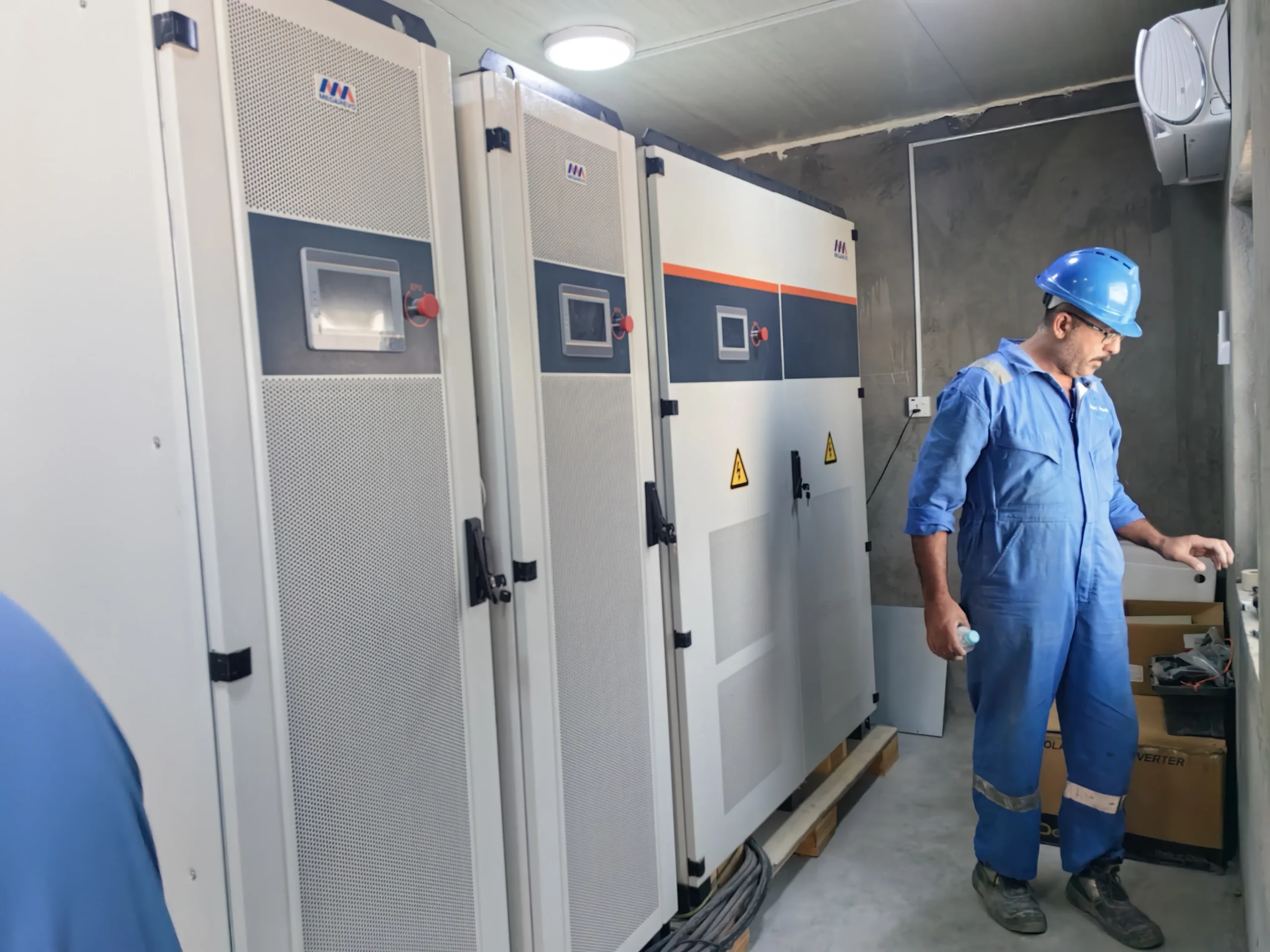
Commercial cabinet room used to illustrate grid-constrained site planning
Grid Constraint
Grid Constraint

The grid limit is part of the design, not an afterthought.

If the site cannot expand its connection, the battery becomes the buffer. TerraVolt maps connection capacity, peak import, and discharge windows before promising charger count or backup coverage.

  • Available import capacity sets the ceiling for site growth.
  • Storage can shift peaks without waiting for a grid upgrade.
  • Next route: send connection capacity and peak-demand records.
Start a grid-limit brief
Integrated commercial PV, storage, and charging system
Operating Model
Operating Model

Peak shaving and backup are not the same job.

Peak shaving, PV self-consumption, backup buffering, and EV charging support each change the control strategy. Lock the operating model first so the system is configured for the commercial outcome that matters.

  • Tariff reduction, resilience, and charging support drive different sizing logic.
  • The EMS strategy should be defined before hardware is compared on price.
  • Next route: define the commercial operating target in the project brief.
Start an operating brief
03 / Hardware Path

Three-phase hardware built for commercial scale.

Each family carries a different role in a commercial energy storage system. Match your project condition to the right path.

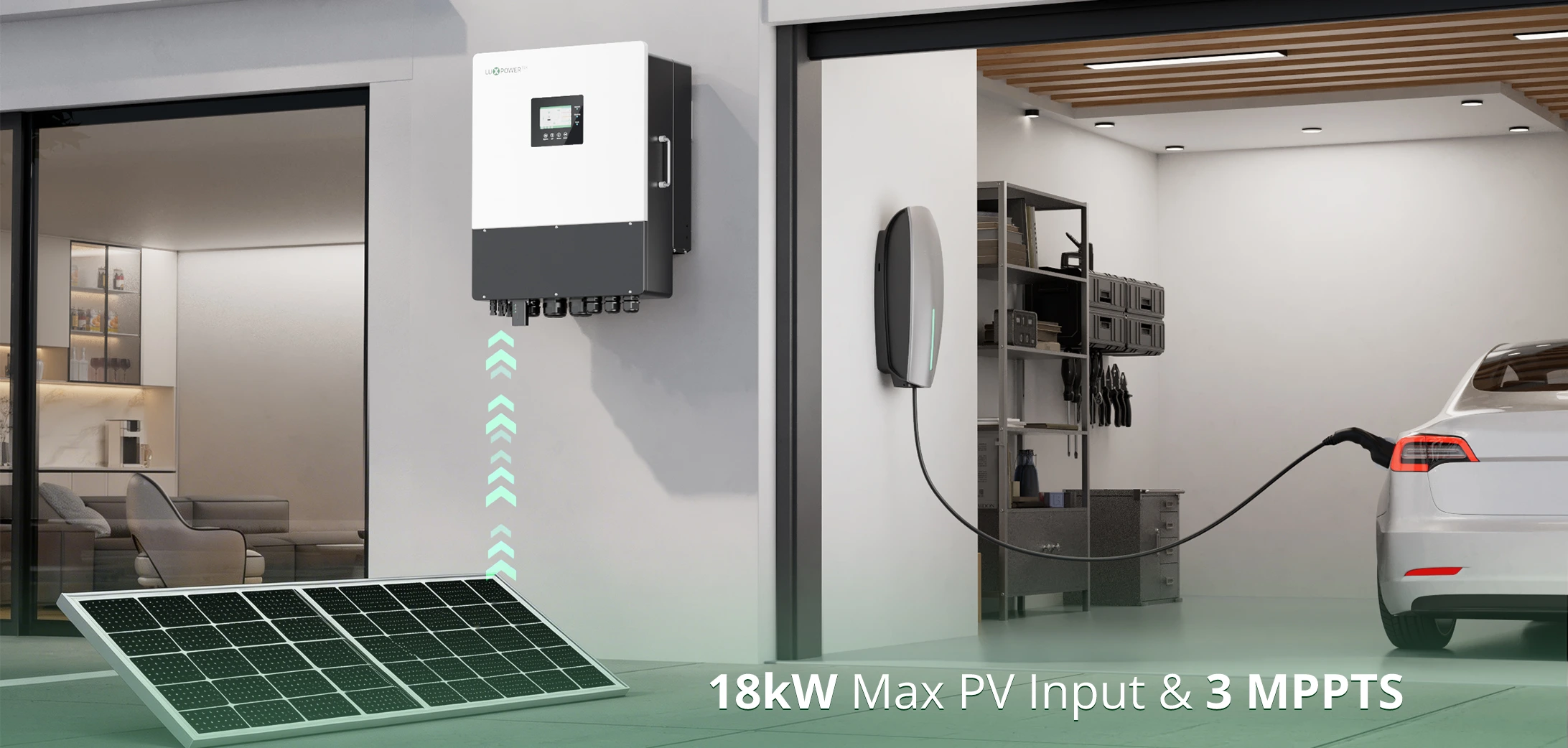
Hybrid inverter family
Family 01

Hybrid Inverters

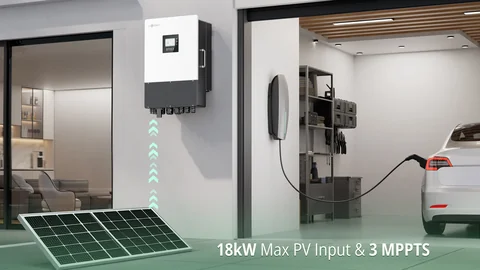
Three-phase control for PV, storage, and site load coordination. Built for commercial self-consumption, backup buffering, and staged expansion.

  • IP66 Indoor/Outdoor
  • Hybrid Control
  • PV + Storage Ready

Fits when: PV and battery control should be designed together.

Browse three-phase inverters
Battery storage family
Family 02

Battery Storage

Shift solar surplus into peak periods and reserve capacity for critical site loads. High-capacity LFP storage keeps demand management visible from day one.

  • High-Voltage Stack
  • Evening Surplus
  • Scalable Growth

Fits when: the main job is capacity, backup reserve, or staged expansion.

Browse commercial battery systems
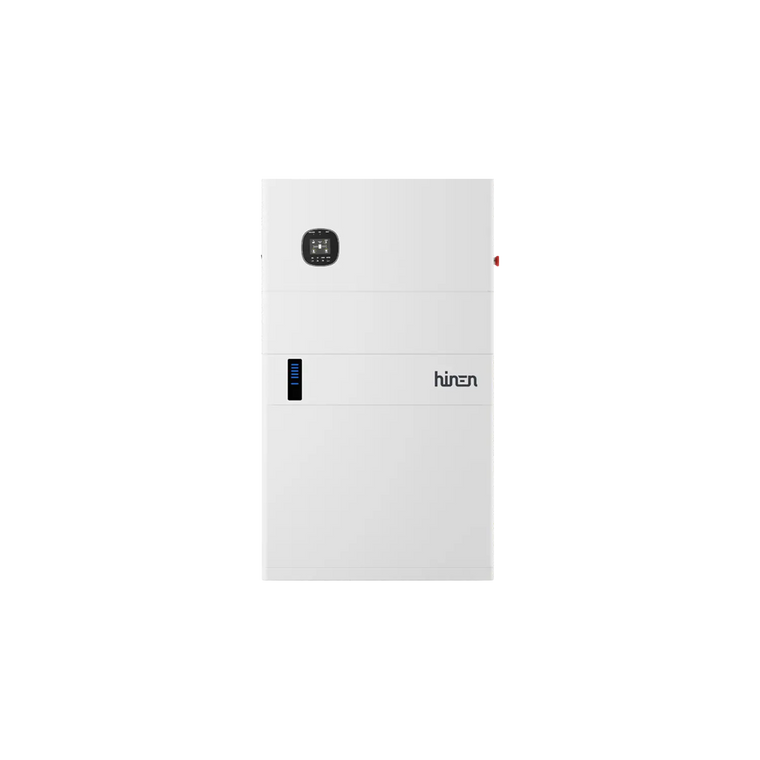
All-in-one commercial ESS cabinet
Family 03

All-in-One ESS

Integrated storage cabinet for compact commercial deployments, pilot sites, and distributed C&I systems.

  • Inverter + Battery
  • One Install
  • Single Supplier

Fits when: the project wants one compact hardware path.

Browse all-in-one ESS
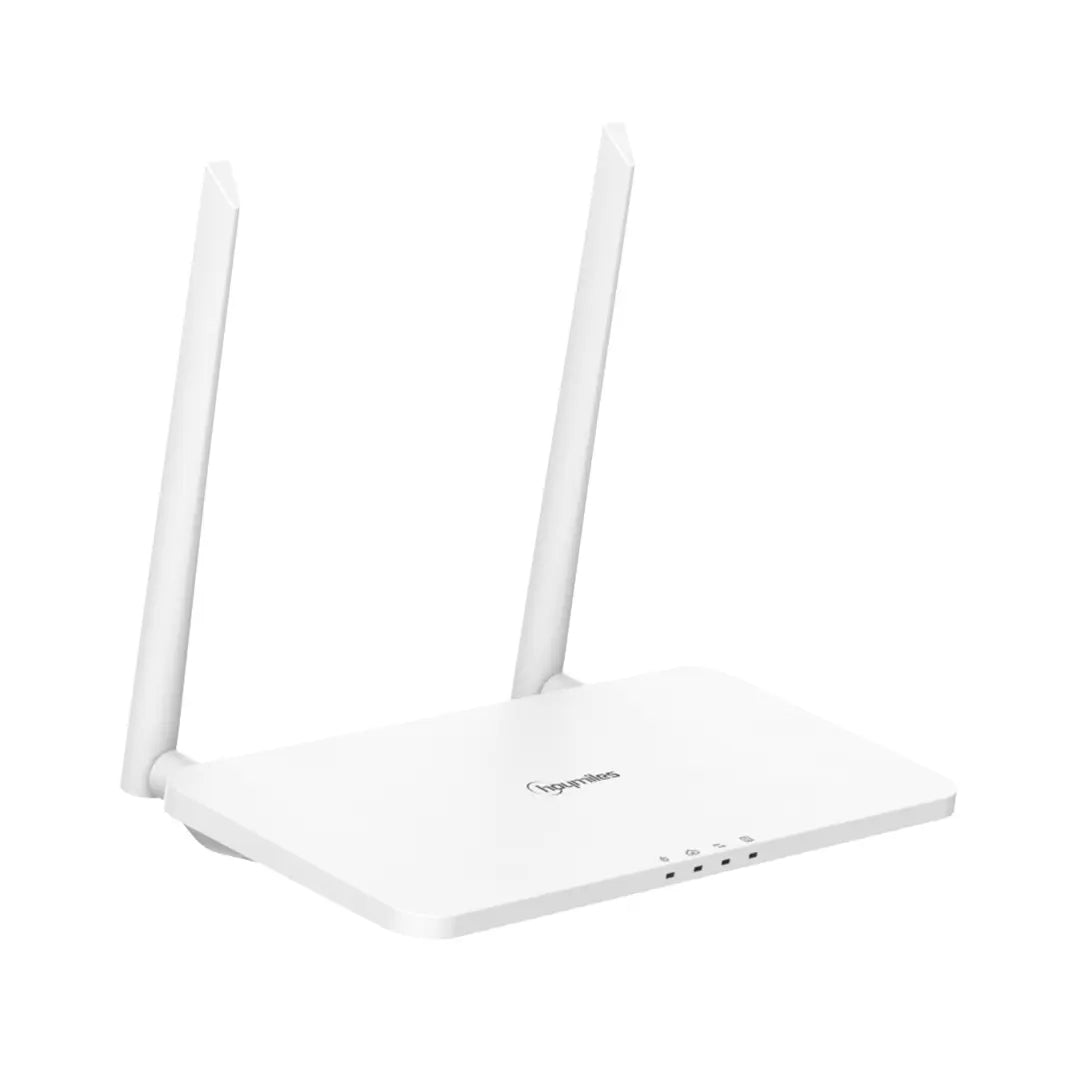
Monitoring gateway device
Family 04

Monitoring & Accessories

Real-time visibility across generation, storage, and site consumption. Shared data for the project owner, installer, and O&M team.

  • Real-Time Data
  • Remote Access
  • Install Support

Fits when: visibility, service handoff, and operating data matter.

Browse monitoring range

1 / 4

04 / Field Proof

Commercial projects need context before hardware.

Use these project references to discuss load profiles, grid constraints, and system sizing with your project partners.

Commercial battery cabinet room at a warehouse site
Production SitePeak shaving · PV self-consumption · Load scheduling

Malaysian Warehouse — C&I Energy Storage

Kuala Lumpur, Malaysia

Key Proof

  • Warehouse demand peaks were reduced with battery-assisted load shifting aligned to production windows.
  • Remote scheduling and EMS visibility made the discharge strategy usable for operations, not just for commissioning.
  • The commercial load profile drove storage sizing before any hardware shortlist was finalized.

The battery schedule followed the warehouse load curve, not a generic storage template. That is what made the peak-shaving plan commercially credible.

Application Reference
Warehouse Load-Shifting Reference
Open project lightbox
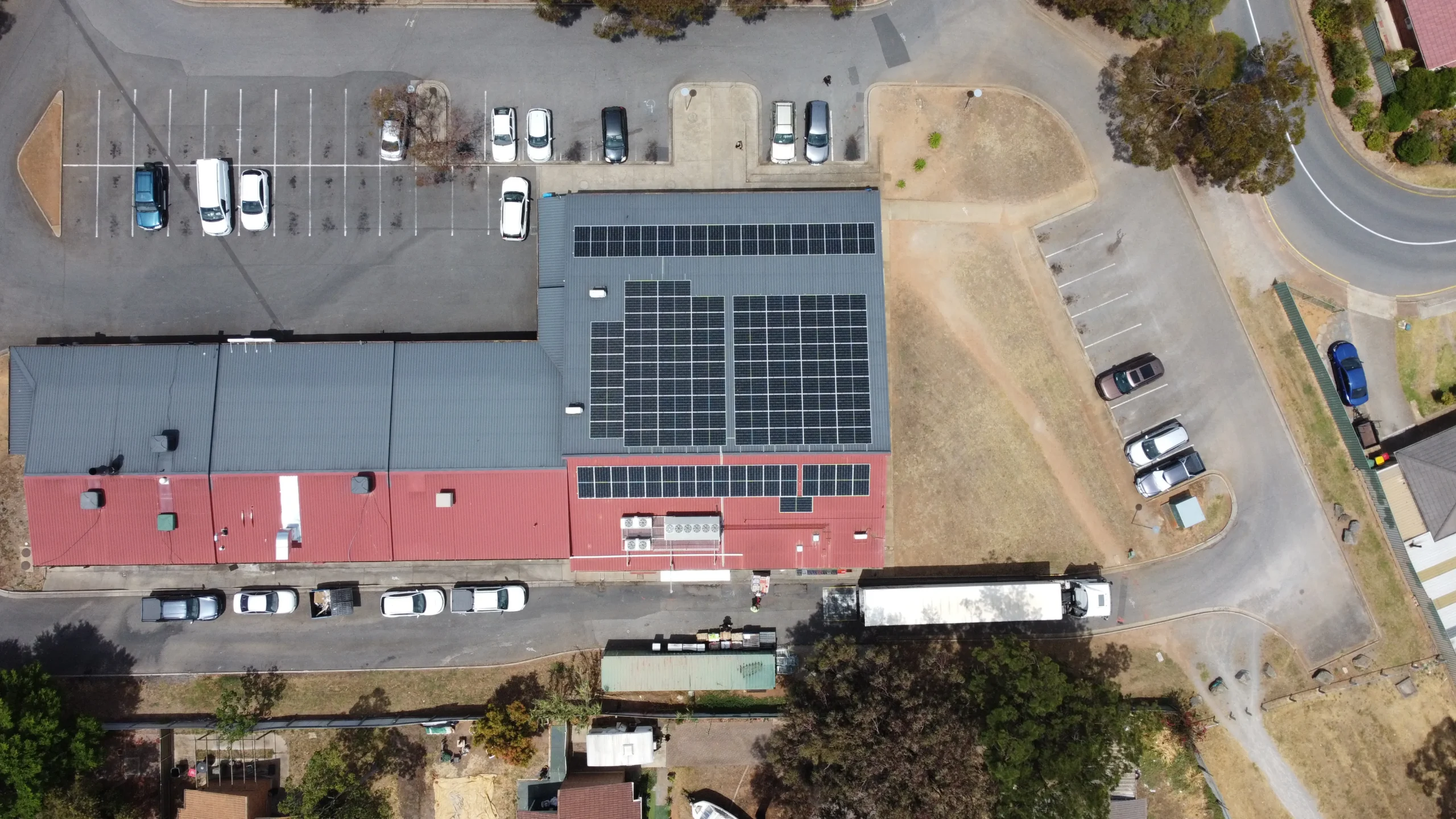
Commercial rooftop solar installation with storage context
Commercial CampusSolar + storage · Shared monitoring · Grid relief

Bangkok Office Park — Solar + Storage Integration

Bangkok, Thailand

Key Proof

  • Commercial rooftop PV and storage were coordinated to reduce daytime import peaks across shared building loads.
  • Multiple load zones were monitored under one operating view instead of isolated inverter dashboards.
  • The site brief focused on common-area demand, tariff exposure, and expansion readiness.

The site team needed one commercial operating picture: rooftop generation, storage behavior, and import pressure in the same conversation.

Application Reference
Office Park Integration Reference
Open project lightbox
Utility-scale solar field and storage context
Grid-Side StorageUtility-scale · Renewable balancing · Dispatch-ready

Latvia — Utility-Scale Energy Storage

Targale, Latvia

Key Proof

  • Large-scale renewable integration depends on dispatchable storage, not solar yield alone.
  • Grid-side control, charge windows, and export strategy are part of the commercial design brief.
  • The project reference helps frame storage as infrastructure, not as a residential backup analogy.

At utility scale, storage is a dispatch and balancing asset. The operating model matters as much as the container itself.

Application Reference
Utility-Scale Storage Reference
Open project lightbox

Swipe to explore projects

05 / Technical Reference

Real specifications. No marketing filler.

Use the table to compare the product family before asking for the exact project-specific drawing set.

H12-3P Hybrid Inverter front viewH12-3P Hybrid Inverter sideH12-3P with B5 stack

H12-3P Hybrid Inverter

PV + storage control · new build or retrofit · IP66 outdoor · single or three phase

Power Rating3.6 – 15 kW
PhaseSingle Phase / Three Phase
Battery CompatibilityHV & LV LiFePO4
PV InputDual MPPT, up to 600 V
CommunicationRS485 / CAN / Wi-Fi
Protection RatingIP66
MountingWall / Floor
Warranty10 Years
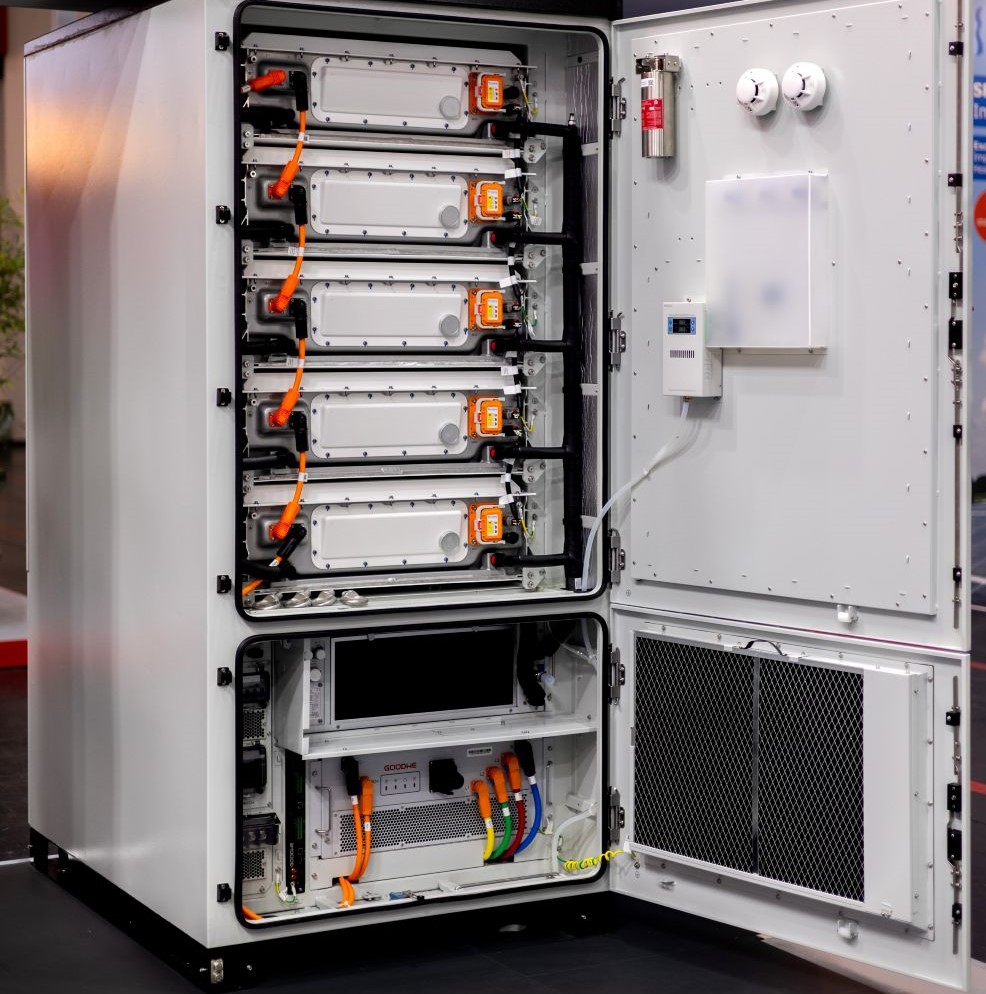
B5 Battery StorageB5 with H12-3PCommercial battery cabinet interior

B5 Battery Storage

High-voltage stackable · 5–20 kWh per module · evening surplus · backup ready

Cell ChemistryLiFePO4 (Lithium Iron Phosphate)
Capacity per Module5 – 20 kWh
Max Stack CapacityUp to 80 kWh (4× modules)
Voltage ClassHigh Voltage (HV)
CommunicationRS485 / CAN
Protection RatingIP65
MountingFloor Stack / Wall Bracket
Warranty10 Years
All-in-one commercial ESSMonitoring gateway device

All-in-One ESS

Inverter + battery in one enclosure · one SKU · one install · one support path

System Power8 – 16 kW
Integrated Capacity10 – 30 kWh
Cell ChemistryIntegrated LiFePO4
Phase230 V Single / 400 V Three Phase
CommunicationWi-Fi + Ethernet
Protection RatingIP65
MountingWall / Floor
Warranty10 Years
06 / Questions Before Handoff

What your installer needs before sizing.

Data to bring before sizing

  • 12-month load profile
  • Grid connection capacity (kW)
  • PV system size and type
  • EV charging demand or fleet expansion plan
Send a storage question

Site Data 5

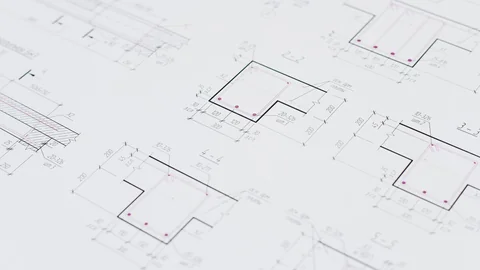
Start with 12-month interval data, peak-demand windows, operating hours, and the list of critical loads. That tells TerraVolt whether the job is a peak-shaving brief, a resilience brief, or both.

Send available connection capacity, transformer or incoming-service limits, current maximum demand, export constraints, and any planned grid upgrade. Without that, charger count and battery discharge windows are only guesswork.

The battery discharges during short high-demand periods so the site imports less peak power from the grid. That lowers billed demand peaks and can delay the need for a larger connection.

Peak shaving optimizes cost. Backup buffering protects continuity. Many commercial projects need both, but the critical-load list and discharge strategy must be named before the storage brief is signed off.

Three-phase systems are designed for balanced commercial loads, larger inverter power classes, and site-level coordination with switchgear, EMS, and charger infrastructure. Single-phase logic is not enough for most C&I demand profiles.

System Planning 5

Start with three-phase hybrid inverters for coordinated PV and storage control, B16/B20 battery storage for scalable capacity, TerraVolt One C&I for integrated deployments, and the Link monitoring stack for site visibility.

Use a gateway and EMS layer that exposes PV output, battery state of charge, import/export, alarms, and scheduler control across each site. The minimum useful brief includes who needs dashboards, alerts, and remote dispatch rights.

Each storage unit keeps its own warranty record and commissioning date. If the project expands later, the new units are added as separate covered assets rather than resetting the installed fleet.

Yes, if the protocol, data points, and control boundary are defined upfront. TerraVolt needs the site BMS or SCADA context, required signals, and whether the storage system is read-only or dispatch-controlled.

Send the single-line diagram, load data, grid-capacity notes, PV system details, charger demand if relevant, critical-load schedule, and monitoring requirements. That is enough to turn a sales conversation into a real sizing review.

THE NEXT STEP

Bring the load profile. Get the system path.

A commercial storage system starts with site data, not a price list. Send your load profile and project condition. TerraVolt maps the hardware path.